Hey there! I’m a supplier of high-voltage switchgear, and today I want to have an open and honest chat about the disadvantages of using high-voltage switchgear in a substation. Yeah, I know it might seem a bit counterintuitive for me to talk about the downsides of the stuff I sell, but I believe in being upfront with you all. High-Voltage Switchgear
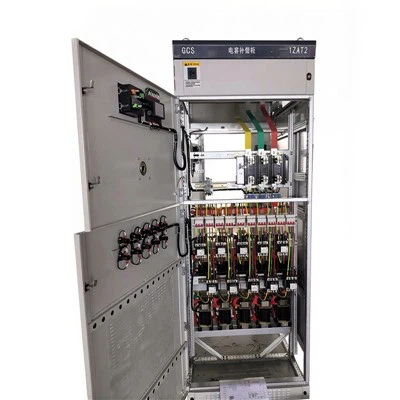
First off, let’s talk about the cost. High-voltage switchgear ain’t cheap. It requires a significant investment right from the get-go. You’ve got to shell out a lot of money for the equipment itself, and then there are the installation costs. The installation process is complex and needs skilled technicians, which adds to the overall expense. And it’s not just a one-time thing. Maintenance is also a major cost factor. High-voltage switchgear needs regular check-ups, and any replacement parts can be pretty pricey. For smaller substations or those on a tight budget, this can be a real deal-breaker.
Another big disadvantage is the space requirement. High-voltage switchgear takes up a lot of space. In a substation, space is often at a premium, especially in urban areas where land is expensive. You need to allocate a dedicated area for the switchgear, and it has to meet certain safety and ventilation requirements. This means that you might have to sacrifice space for other important equipment or expansion plans. It’s like trying to fit a giant elephant into a small room – it just doesn’t work well.
Safety is also a huge concern. Working with high-voltage switchgear is extremely dangerous. There’s always a risk of electric shock, arc flash, and other electrical hazards. Even with proper safety protocols in place, accidents can still happen. Workers need to be highly trained and follow strict procedures when handling the equipment. And if there’s a malfunction or a fault in the switchgear, it can lead to serious safety issues not just for the workers but also for the surrounding environment. For example, an arc flash can cause fires and damage to other equipment in the substation.
Reliability can be a bit of a hit or miss. While high-voltage switchgear is designed to be reliable, there are still factors that can affect its performance. Environmental conditions like extreme temperatures, humidity, and pollution can take a toll on the equipment over time. For instance, in areas with high levels of dust or salt in the air, the switchgear can get corroded, which can lead to malfunctions. And if there’s a power surge or a short circuit, the switchgear might not be able to handle it properly, causing disruptions in the power supply.
The complexity of high-voltage switchgear is another drawback. It’s not something that can be easily understood or maintained by just anyone. The technology behind it is quite advanced, and troubleshooting problems can be a real headache. You need specialized knowledge and tools to diagnose and fix issues. This means that you either have to rely on in-house experts or call in external contractors, which can be time-consuming and expensive.
Now, let’s talk about the environmental impact. The manufacturing process of high-voltage switchgear involves the use of various materials, some of which can be harmful to the environment. For example, some types of switchgear use sulfur hexafluoride (SF6), which is a potent greenhouse gas. When SF6 leaks into the atmosphere, it contributes to global warming. And at the end of its life cycle, disposing of high-voltage switchgear can be a challenge. You have to make sure that the components are properly recycled or disposed of in an environmentally friendly way, which adds to the overall cost and complexity.
Compatibility issues are also something to consider. High-voltage switchgear needs to be compatible with other equipment in the substation, such as transformers and circuit breakers. If there are compatibility problems, it can lead to inefficiencies and even failures in the power system. For example, if the switchgear doesn’t work well with the transformer, it can cause overheating and damage to both components.
Despite all these disadvantages, high-voltage switchgear is still an essential part of a substation. It plays a crucial role in controlling and protecting the power system. And at our company, we’re constantly working on improving our products to minimize these drawbacks. We’re investing in research and development to make our switchgear more cost-effective, space-efficient, and reliable. We’re also looking for ways to reduce the environmental impact of our products, such as using alternative gases instead of SF6.
If you’re in the market for high-voltage switchgear, don’t let these disadvantages scare you off. We’re here to help you find the right solution for your substation needs. We can work with you to understand your requirements and recommend the best switchgear for your situation. We’ll also provide you with top-notch after-sales service to ensure that your switchgear operates smoothly and safely.

So, if you’re interested in learning more about our high-voltage switchgear or want to discuss your procurement options, feel free to reach out to us. We’re always happy to have a chat and help you make an informed decision. Let’s work together to build a more efficient and reliable power system.
High-Voltage Switchgear References
- Electrical Engineering Handbook, various editions
- Industry reports on high-voltage switchgear technology and applications
- Research papers on the environmental impact of high-voltage switchgear components
Jiangxi Yihong Electric Power Technology Co., Ltd.
As one of the most experienced high-voltage switchgear manufacturers and suppliers in China, we also support customized service. We warmly welcome you to buy high quality high-voltage switchgear from our factory. If you have any enquiry about pricelist, please feel free to email us.
Address: Chating Industrial Park, Guangxin District, Shangrao City, Jiangxi Province
E-mail: 15779933057@163.com
WebSite: https://www.yihcn.com/
