Hey everyone, it’s Mia from the quilted fabric supply team, and today I want to dive into a question I get at least a dozen times a week from fashion designers, small-batch clothing makers, and even thrifted clothing enthusiasts: Can quilted fabric be used for clothing? Quilted Fabric
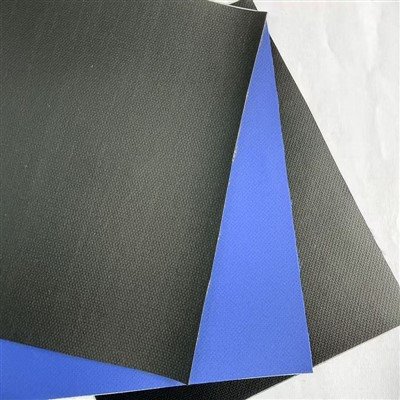
If you’ve only ever associated quilted fabric with bedspreads, winter comforters, or that puffy jacket you wore in college, I don’t blame you. For decades, this textured, stitched material has lived mostly in the home goods space—but over the last few years, we’ve watched it creep into high fashion runways, street style looks, and even everyday wardrobe staples. As someone who’s been supplying quilted fabrics for 7 years now, I’ve seen every side of this material’s potential, and the short answer is: absolutely yes. But it’s not just a “yes” at face value—there’s a lot to unpack about how quilted fabric works, what makes it good (and occasionally tricky) for clothing, and the ways we’ve helped brands turn their clothing ideas into something wearable, durable, and stylish.
First, let’s quickly ground ourselves in what quilted fabric actually is, because a lot of people assume it’s just fabric with extra padding stitched on top. While that’s the basic gist, the construction is way more intentional. Traditional quilting uses three layers: a top decorative fabric, a middle batting layer (that’s the soft, insulating core), and a bottom stabilizer layer, all stitched together in patterns that range from simple straight lines to intricate hearts, diamonds, or even custom logos. What makes this different from, say, a puffer jacket’s thin insulation is that the stitching bonds all three layers permanently, so the batting doesn’t shift or bunch up over time—something that’s non-negotiable for clothing that gets worn, washed, and stretched regularly.
When designers first start asking about using quilted fabric for clothing, their biggest concern is usually weight. A common myth is that quilted fabric is heavy and bulky, which would make it feel like you’re wearing a sleeping bag. That’s true if you’re using a thick cotton batting for a comforter, but here’s the thing: we supply a huge range of batting weights, from 100-gram lightweight poly batting perfect for spring outerwear to 200-gram down-alternative batting for cold-weather coats, and even ultra-thin 50-gram batting for things like quilted blouses or dress tops. Last year, we worked with a small sustainable fashion brand that made quilted silk blouses using a 50-gram organic cotton batting, and the finished pieces weighed less than a standard cotton button-down. They were soft, had the subtle quilted texture the brand wanted, and customers didn’t complain about feeling bulky at all.
Durability is another big plus for clothing, and that’s where quilted fabric really shines. Because the three layers are stitched together, the top fabric doesn’t pill, stretch out of shape, or wear thin in high-stress areas like elbows or shoulder seams the way a single-layer fabric would. I remember a client who came to us after trying to make their own quilted skirts at home with regular fabric and iron-on batting—after two washes, the batting had shifted to one side, and the fabric had ripped along the stitching lines. They switched to our pre-quilted fabrics with bonded, double-stitched seams, and their skirt line has been going strong for 3 years now. We also do custom stitch patterns for clients, so if a designer wants a diamond stitch for a structured blazer or a wavy stitch for a flowy dress, we can adjust the stitch density and thread type to match the garment’s purpose.
Of course, quilted fabric isn’t perfect for every type of clothing, and as a supplier, I always make sure to be transparent about its limitations so designers don’t run into issues down the line. The biggest caveat is breathability. Because of the batting layer, quilted fabric traps air more than regular fabric, which is great for winter outerwear but can be a problem for things like summer dresses or tight-fitting tops. That’s why we recommend lighter batting, open stitch patterns, or even using a moisture-wicking top fabric (like polyester microfiber or organic linen) for warm-weather garments. We had a designer last year who wanted to make quilted sundresses for a coastal boutique, and we adjusted their original plan by using a 60-gram bamboo batting and wide, spaced-out straight stitches that let air circulate between the quilted sections. The dresses sold out in 2 weeks, and the client kept reordering because customers didn’t complain about overheating at beach weddings or outdoor events.
Another thing to consider is stretch. Most standard quilted fabrics are not stretchy, which makes them ideal for structured pieces like blazers, skirts, or coats, but not so great for form-fitting things like leggings or bodycon dresses. That’s not a dead end, though—we can make custom stretch quilted fabrics by using spandex-blend top and bottom layers, or by using lightweight, stretchable batting that doesn’t restrict movement. We even did a test run with a stretch quilted fabric for a line of activewear leggings last quarter, and they worked perfectly for low-impact workouts, with the quilted texture adding a fun, sporty detail without compromising flexibility.
As a supplier, I’ve also seen a lot of creative ways designers are using quilted fabric for clothing that people wouldn’t expect. It’s not just puffer jackets and coats (though those still make up a huge part of our quilted clothing orders). We’ve worked on quilted denim jeans, where the side panels are quilted with a thin batting for a subtle, structured look that doesn’t feel heavy. We’ve supplied quilted cotton for uniform jumpsuits for a hospital’s emergency response team, because the fabric is durable, easy to clean, and insulates well in cold ambulances. And last year, a brand used our metallic thread quilted fabric for cocktail dresses, where the diamond stitching catches the light and adds a glamorous texture that stands out more than regular sequins or beading.
One of my favorite projects was working with a small sustainable brand that makes upcycled clothing. They source old cotton bed linens and upcycle them into quilted fabric for coats, using the original stitching patterns from the old linens as a unique design detail. We helped them scale their operation by supplying pre-quilted fabric bases when their in-house quilting machine couldn’t keep up with demand, and now their line is carried in 12 boutiques across the country. It’s exactly the kind of project that makes me love this job—showing people that a material they thought was only for the bedroom can become something new and useful for everyday wear.
If you’re a clothing designer, maker, or brand owner who’s considering using quilted fabric for your next line, here are a few tips I’ve picked up over the years to make the process smoother. First, test swatches before you commit to a large order. Quilting can vary slightly in feel and texture between different batting weights and stitch patterns, so ordering a 1-yard swatch lets you see how the fabric drapes, how it looks when sewn, and if it works for your intended garment. Second, think about stitching details when you’re designing. Tighter stitch patterns will make the fabric more structured, while looser stitches will be softer and more flowy. For things that need to move (like dresses or skirts), avoid stitching all the way through the hem or seams with thick thread—use a thinner thread for those areas to keep flexibility. Third, consider care instructions. Quilted fabrics with cotton batting can be machine washed on a gentle cycle, while polyester batting is usually dryer-safe, but silk or wool batting may need dry cleaning. I always include care tags with every bulk order so clients can pass that information along to their customers.
At the end of the day, the question isn’t “can quilted fabric be used for clothing”—it’s “how can quilted fabric be used for clothing?” It’s a versatile, durable, and stylish material that’s evolved way beyond its home goods roots, and we’re proud to supply fabrics that help brands turn their creative ideas into wearable, high-quality pieces. Whether you’re making a winter coat, a summer dress, a uniform, or a statement accessory, quilted fabric has something to offer.

If you’re ready to explore quilted fabric for your clothing line, we’d love to help. We offer custom sizes, stitch patterns, batting weights, and fabric materials to match any project, whether it’s a small batch of 50 pieces or a full production run. Reach out to our team to discuss your needs, and we’ll send over swatches and pricing tailored to your design.
Oxford Fabric References
- Textile Institute. (2022). Quilted Textiles: Construction, Performance, and Applications in Apparel and Home Goods. The Journal of Textile Science and Fashion Technology, 8(2), 45-62.
- European Clothing Industry Association. (2023). Sustainable Fabric Trends in 2023: Quilted Materials for Apparel Production. ECIA Industry Report, 11, 19-27.
- Patel, R., & Chen, L. (2021). Functional Quilted Fabrics for Wearable Technology and Apparel. International Journal of Clothing Science and Technology, 33(5), 789-805.
Dongyang Huangxiu Leather & Plastic Co., Ltd.
With abundant experience, we are one of the most professional quilted fabric manufacturers in China. We warmly welcome you to wholesale customized quilted fabric made in China here from our factory. If you have any enquiry about quotation and free sample, please feel free to email us.
Address: Huangxiu Leather & Plastic Products, No. 79 Shunda Road, Huashui Town, Dongyang City, Zhejiang Province
E-mail: x372921764@163.com
WebSite: https://www.huangxiutextile.com/
