Hey there, if you’ve ever dealt with control cable issues, you know rodents can turn a routine maintenance headache into a total project mess. I’m [your company name], a control cables supplier, and I’ve spent years talking to clients about this exact problem. Whether you’re in industrial automation, marine, construction, or even residential elevator work, rodents love control cables—chewing through insulation leads to signal loss, system shutdowns, and way more costs than just fixing the cables themselves. Let’s break down what actually works, no fluff, just real stuff we’ve seen hold up. Control Cables
First, let’s get why rodents go after your cables in the first place, because you can’t solve a problem if you don’t get the root cause. It’s not just that they’re “mischievous” or anything. Rodents—rats, mice, squirrels—two big things: insulation is easy to chew, and cables often have a tasty, food-adjacent smell. A lot of cables have synthetic insulation, but sometimes they’re coated with compounds that pick up grease, dust, or even crumbs from nearby work areas. Also, if cables are run along walls, under floors, or in empty conduits, that’s a perfect little rodent highway and nesting spot. We’ve had clients tell us their control cables were inside a conduit that had a gap big enough for a mouse—next thing you know, half the wires are chewed through, and their whole assembly line was down for 12 hours. That’s not fun, and it’s avoidable.
Now, let’s talk about the actual protection methods, and which ones we’ve found work best for control cables specifically, not just random electrical wires. Generic rodent control (like poison or snap traps) works for spots, but if your cables are permanent, you need cable-specific solutions.
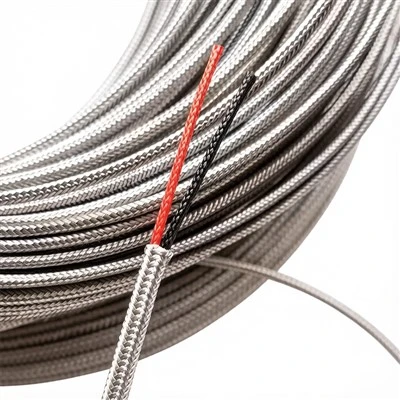
Starting with the cable itself: not all control cables are created equal. We stock rodent-resistant control cables, and it’s not just marketing jargon. The insulation on these cables is tough—usually a cross-linked polyethylene or polyurethane blend that’s way harder to chew through than standard PVC. Rats have strong teeth, but even a Norway rat (the big, tough one) can’t gnaw through this stuff quickly. I remember a client in the food processing industry switched to these a couple years back; before that, they were replacing cables every 3 months because their warehouse rats would get into the conduit. Now it’s been almost 2 years with zero rodent-related failures. Another thing: some of our rodent-resistant cables have a metal mesh shield under the insulation, which adds an extra barrier. That’s great for areas with really aggressive rodents, like port facilities where squirrels and rats are super active.
But even the best cable won’t help if it’s installed wrong. Installation details matter a lot. Let’s say you’re running cables through conduits—don’t just stuff the cable in and leave gaps. Conduits with open ends, or gaps where they connect, are entry points. We always tell clients to seal every conduit opening around the cable with a rodent-proof sealant, not just regular silicone. Silicone is easy for a mouse to chew through. We recommend a steel wool or expanding foam that’s infused with copper. The copper is a mild rodent deterrent, and the steel wool is impossible for small rodents to gnaw through. Another installation tip: keep cables away from food sources if you can. In factories, that means running cables above work surfaces, not along walls where crumbs collect. In residential areas, don’t run control cables for elevators or gates near bird feeders or garbage cans. Simple stuff, but it makes a big difference.
Then there’s active and passive deterrents. Passive are things you install that repel rodents without constant upkeep. We’ve had good luck with rodent-repellent tape wrapped around cables. This tape has a capsaicin-based coating (that’s the hot stuff in peppers) that rodents hate—they’ll avoid chewing it. It’s not toxic, so it’s safe for food processing or medical facilities, which is a big plus. We tested this with a client in a pharmaceutical plant; they tried poison before, but poison is a no-go because of contamination risks. The capsaicin tape worked within a week—they hadn’t had any cable chew issues after that. Active deterrents are things that need a little power, like ultrasonic devices. But here’s the thing: ultrasonic devices only work if you place them correctly, and they don’t penetrate walls or metal, so if your cables are inside a conduit, they’re basically useless. We’ve seen clients waste money on these because they thought it was a set-it-and-forget-it solution, but it only works for open areas, not enclosed cable runs.
Wait, let’s cover the mistakes people make all the time. First, don’t use poison near control cables. Even if you think it’s far enough, rodents will chew through cables to get to bait, and then you’ve got dead rodents inside conduits, which causes more problems—smell, blockages, even fire hazards if the corpse touches live wires. We had a client who did that last year; they ended up having to replace three cables and clear a rat nest from their control panel because the poison drew them in. Second, don’t think “one size fits all.” If you’re in a dry warehouse with mostly mice, a basic rodent-resistant cable is fine. If you’re in a port with big rats and squirrels, you need the metal-shielded version plus sealants. We always ask clients about their environment when we recommend cables, because that’s the only way to get the right fit. Third, don’t ignore small gaps. A ¼-inch gap is all a mouse needs to get into a conduit. We’ve had clients say “no way a rat fits here” and then we pull out a camera and show them a rat nest inside their conduit. It’s wild how tiny those entry points are.
Another big one: regular inspections. You can’t just install cables and forget them. Every 6 months, do a quick check of your cable runs—look for chewed insulation, gaps in conduits, signs of rodent activity (droppings, gnaw marks on nearby wood). We tell our clients to mark spots on their conduit maps so they know where to focus. A 10-minute inspection can catch a small chew before it turns into a full system shutdown. Last year, a client caught a mouse chewing their elevator control cables during a routine check; they fixed it before it got worse, and it cost them $50 instead of the $2,000 it would have cost to fix the elevator out of service.
Now, let’s talk about what to do if you already have rodent damage. First, don’t just patch the cable. Replace it with a rodent-resistant one, because the problem will come back if you keep the old, easy-to-chew cable. Second, seal all entry points around that cable run—whatever got in before will come back. Third, address the rodent source. If you’re in a warehouse, get professional pest control to block nesting spots. If you’re in a residential area, trim tree branches that are near your gate control cables—squirrels use branches to jump onto the structure, so trimming them removes access.
As a control cables supplier, we’ve seen firsthand how much rodent damage costs businesses. Small and large facilities alike waste thousands on unplanned downtime, cable replacements, and pest control that doesn’t work. The good news is it’s preventable. You don’t have to overcomplicate it—just pick the right cable for your environment, install it correctly, seal all gaps, and do quick inspections.
If you’re dealing with ongoing rodent issues on your control cables, or you’re not sure which rodent-resistant cable is right for your setup, hit us up. We’ve got the products and the experience to help you avoid those shutdowns. No generic solutions, just tailored advice for your specific application.
Control Cables References
- Pest Control Technology, “Rodent Damage to Electrical Systems: Causes and Prevention”, 2022.
- Underwriters Laboratories, “Standards for Rodent-Resistant Insulated Cables”, UL 1681, 2021.
- Industrial Maintenance and Plant Operations, “Common Mistakes in Cable Installation That Attract Rodents”, 2023.
Anhui Yuantong Cable Co., Ltd.
As one of the most professional control cables manufacturers and suppliers in China, we offer a wide range of cables with superior quality. Please feel free to wholesale bulk customized control cables from our factory. Also, pricelist is available.
Address: Yongfeng Industrial Park, Tianchang City, Anhui Province
E-mail: ahytcable@126.com
WebSite: https://www.yuantongcable.net/
