Hey there, if you’ve ever been in metal fabrication, you know a gantry shear is basically your workhorse for cutting sheet metal, plates, and even thick bars clean and fast. But let’s be real—walk into any metal shop, and you’ll see two main types: hydraulic and mechanical. A lot of folks mix ‘em up, or just pick whatever their buddy swears by, but there’s a big difference between these two, and as a gantry shear supplier who’s been around the block, I feel like it’s my job to break it down straight. No jargon, no fluff, just what matters when you’re out there buying one. Gantry Shear
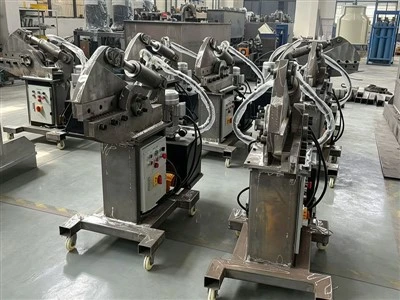
First, let’s kick things off with how each powers the cutting blade. Mechanical gantry shears run on—yep, you guessed it—a mechanical system, usually a big motor connected to a flywheel. That flywheel stores energy, right? So when you hit the pedal or the button, the flywheel spins, transfers that energy to a crankshaft, which moves the blade up and down super fast. Hydraulic? That’s all about fluid pressure. You’ve got a pump pushing hydraulic fluid through hoses into cylinders, which push the blade down. No flywheel, no crank—just liquid force. That’s the core difference, but that tiny twist changes everything else.
Let’s talk about cutting force next, because that’s make-or-break when you’re cutting thick metal plates. Mechanical shears, since they use a flywheel, are built to deliver a constant, heavy punch for a single cut. Think about it: a flywheel builds up momentum, so when the blade hits the metal, it’s got that stored energy to push through. But here’s the catch—they’re made for that one quick, powerful cut. If you try to cut something thinner than their sweet spot, you’re basically wasting that flywheel energy, and it might even wear out parts faster. Hydraulic shears? They let you adjust the pressure. If you’re cutting a thin sheet, you dial down the fluid pressure so you don’t bend or tear the metal. If it’s a thick, tough plate, you crank that pressure up. That flexibility is a game-changer for shops that handle different jobs—one day you’re cutting 10mm steel for a trailer frame, the next you’re doing 2mm aluminum for gutters. You can’t do that with a mechanical shear without messing it up.
Then there’s speed and cycle time, which matters a lot for throughput. Mechanical shears are way faster per cycle. The flywheel spins, so each blade stroke is quick—some can do 20, 30 cuts a minute, even for thick stuff. Hydraulic shears take a second longer because you’re waiting for the fluid to build pressure, the cylinder to move. But wait, don’t sleep on that flexibility. Yeah, a mechanical shear might crank out cuts quicker if you’re only doing one thickness all day, but if you’re switching between jobs every hour? The time you lose adjusting a hydraulic shear’s pressure is way less than the time you lose trying to force a mechanical shear to cut something it’s not built for. Also, mechanical shears have a fixed stroke length, right? So if you need a longer cut for a big sheet, you might have to do multiple passes, which slows you down anyway. Hydraulic lets you adjust the stroke length, so you can match it exactly to the size of the metal you’re cutting. No wasted motion there.
Wear and tear—super important because repairing a gantry shear isn’t cheap. Mechanical shears have a lot of moving parts: crankshaft, gears, flywheel, bearings. Every cut puts stress on all those pieces, and if you’re running it too often or on the wrong material, those parts will wear out fast. You’re looking at regular oil changes for the gears, replacing bearings every few years, maybe even the crankshaft if you abuse it. Hydraulic shears have fewer moving parts in the cutting system—mostly cylinders and valves. Sure, you gotta maintain the hydraulic fluid, change filters, and check for leaks, but the actual cutting mechanism sees less stress because the pressure is controlled. The flywheel in mechanical shears is a big, heavy hunk of metal, so if something goes wrong with it, it’s a huge fix. I’ve seen shops burn out motors on mechanical shears because they ran ‘em nonstop on thin metal—you don’t really have that problem with hydraulic, since you don’t waste energy spinning a flywheel you don’t need.
Cost up front and long-term, too. Let’s be real, budget is a big factor. Mechanical gantry shears are usually cheaper to buy, right? Less complex system, fewer fancy valves or pumps. But wait, the long-term costs? If you’re a small shop that only does a few cuts a week, that cheap mechanical shear might be fine. But if you’re running 10 hours a day, 5 days a week, those repair bills add up. Hydraulic shears cost more initially, but they’re cheaper to maintain over time, and they’re way more versatile. I’ve had customers come to me who bought a cheap mechanical shear, tried to use it for a job that was outside its specs, and ended up replacing the crankshaft a year later—cost them more than the difference between a good hydraulic shear and the cheap mechanical one. Also, hydraulic shears hold their value better when you want to sell ‘em later, because they’re in higher demand for shops that take on varied work.
Wait, what about precision? That’s another one people ask about. Both can get the job done, but hydraulic shears give you better control over the cut. The blade moves slower, so you can adjust it mid-stroke if the metal shifts, which means less edge burr or misalignment. Mechanical shears, since the blade is moving so fast, you gotta have the metal perfectly lined up or you’ll get a jagged edge, or even damage the blade. If you’re working on parts that need tight tolerances—like metal brackets for machinery—hydraulic is way easier to get right. I’ve seen a shop try to cut a 6mm steel bracket with a mechanical shear and end up redoing half the parts because the edges were too rough. They switched to hydraulic, and now they barely have any rework.
Oh, and safety. Let’s not forget that. Mechanical shears have big, spinning flywheels—if you’re not careful, that flywheel can hurt someone bad if they get too close. They also have a fixed “dead point” on the crank, so if something goes wrong, the blade can’t stop mid-stroke. Hydraulic shears let you stop the blade anywhere, right? You hit the emergency stop, and the cylinders just shut off. No spinning heavy metal to worry about. That’s a big deal for shops with new employees, or where people are moving materials around while the machine’s running.
Now, let’s talk about who should get which. If you’re a small shop that only cuts one thickness of metal all the time—say, you’re just doing sheet metal for HVAC ducts, all 1mm aluminum—mechanical might work. It’s cheap, fast, and will do that one job great. But if you’re a shop that does custom fabrication, works on everything from thin gutters to thick steel frames, or wants to minimize downtime and repair costs? Hydraulic is the way to go. It’s more flexible, easier on the parts, and safer. And yeah, it costs more up front, but it’ll pay for itself faster than you think.
I get it, switching from what you’re used to is scary. A lot of guys have been running mechanical shears for 20 years, so they’re used to how it works. But I’ve had so many customers switch to hydraulic and tell me they wish they did it sooner. They’re not wasting material on bad cuts, they’re not paying for constant repairs, and they can take on more jobs because the machine does more.
At the end of the day, there’s no “one-size-fits-all” answer. It depends on your work, your budget, how many jobs you take on. But the biggest mistake people make is just buying whatever’s cheapest, or whatever their friend has, without thinking about what their actual needs are. If you’re only cutting 2mm steel all day, mechanical is fine. If you’re switching between jobs, or want less downtime, hydraulic is worth the extra cash.
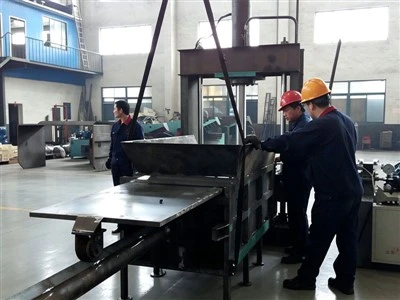
If you’re in the market for a new gantry shear, or even upgrading your current one, hit me up to chat. I can walk you through what’ll work best for your shop, no pressure, no sales pitch—just honest advice based on what I’ve seen over the years. Whether you’re a tiny start-up or a big fabrication company, I’ll help you find the right fit.
Rebar Cutting Machine References:
- Metal Fabrication Technology Association. (2022). Guide to Shear Machines: Types, Applications, and Maintenance.
- Industrial Press. (2021). Machine Tools for Metal Fabrication: Performance and Cost Analysis.
- Journal of Manufacturing Processes. (2020). Comparative Study of Hydraulic vs. Mechanical Shear Systems in High-Volume Fabrication.
Jiangyin Hangli Technology Co., Ltd.
Jiangyin Hangli Technology Co., Ltd. is one of the most professional gantry shear manufacturers and suppliers in China. We are committed to providing high quality custom service and OEM service with low price. We warmly welcome you to buy high-performance gantry shear for sale here from our factory. Also, pricelist is available.
Address: No. 11, Louxia Road, Zhouxi Village, Zhouzhuang Town, Jiangyin City, Wuxi City, Jiangsu Province, China
E-mail: sherry@hanglimachinery.com
WebSite: https://www.hanglirecycling.com/
