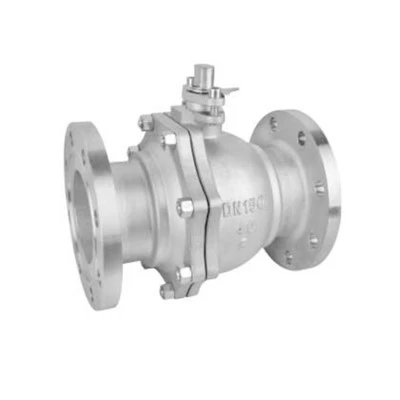
When dealing with fluid control systems, especially those involving pulsating flow, the performance of a butterfly valve is a crucial aspect that cannot be overlooked. As a trusted butterfly valve supplier, I have witnessed firsthand the diverse applications and the unique challenges that pulsating flow presents to these valves. In this blog post, I will delve into the performance of butterfly valves in pulsating flow conditions, exploring how they fare and what factors influence their behavior. Butterfly Valve
Understanding Pulsating Flow
Pulsating flow is characterized by cyclical variations in fluid velocity, pressure, or both. This type of flow can occur in a variety of industrial processes, such as reciprocating pumps, compressors, and even in some natural phenomena. The key characteristics of pulsating flow include alternating periods of high and low flow rates or pressures, which can range from relatively low – frequency pulsations (e.g., a few Hertz) to high – frequency ones (hundreds or even thousands of Hertz).
The presence of pulsating flow in a piping system can have a significant impact on the components within it, including butterfly valves. Unlike steady – state flow, where conditions remain relatively constant, pulsating flow subjects the valve to dynamic forces that change continuously over time.
How Butterfly Valves Work
Before we discuss their performance in pulsating flow, it’s essential to understand the basic operation of a butterfly valve. A butterfly valve consists of a disc, which rotates within the valve body to control the flow of fluid. The disc is mounted on a shaft, and as the shaft rotates, the disc turns from a fully open position (where the disc is parallel to the flow direction) to a fully closed position (where the disc is perpendicular to the flow direction).
The simplicity of the design makes butterfly valves a popular choice for many applications. They are relatively lightweight, have a low pressure drop when fully open, and are easy to install and maintain. However, these advantages can be challenged when the valve is exposed to pulsating flow conditions.
Performance in Pulsating Flow
Flow Control
One of the primary functions of a butterfly valve is to regulate the flow of fluid. In pulsating flow, maintaining accurate flow control can be challenging. The rapid changes in flow velocity and pressure can cause the valve disc to move erratically, especially if the valve’s actuation system is not properly tuned. This can lead to fluctuations in the actual flow rate through the valve, deviating from the desired setpoint.
For example, at the peak of a pressure pulse, the increased force acting on the valve disc may cause it to open slightly more than intended, resulting in a higher flow rate. Conversely, during the trough of the pulse, the disc may close more, reducing the flow. These variations can be particularly problematic in applications where precise flow control is critical, such as in chemical dosing systems or in some food and beverage production processes.
Sealing Performance
The sealing ability of a butterfly valve is another important aspect affected by pulsating flow. A good seal is essential to prevent leakage, especially in applications where the fluid is hazardous, expensive, or needs to be contained within a specific area.
In a pulsating flow environment, the repeated pressure changes can cause the valve’s sealing components, such as the seat and the disc edge, to experience cyclic stresses. Over time, this can lead to wear and tear of the sealing surfaces, reducing the valve’s ability to form a tight seal. Additionally, the rapid flow fluctuations may cause small particles or debris in the fluid to be forced between the sealing surfaces, further degrading the sealing performance.
Structural Integrity
The dynamic forces associated with pulsating flow can also pose a threat to the structural integrity of the butterfly valve. The alternating high – and low – pressure cycles exert stress on the valve body, disc, and shaft. If the valve is not designed to withstand these cyclic stresses, it may experience fatigue cracking over time.
For instance, the valve body may crack at stress concentration points, such as around the hinge or mounting areas of the disc shaft. Similarly, the disc itself may develop cracks, especially if it is made of a material that is not well – suited to the cyclic loading conditions. This not only affects the valve’s performance but can also lead to safety hazards, such as uncontrolled fluid release.
Noise and Vibration
Pulsating flow is often accompanied by noise and vibration in the piping system. The interaction between the fluid flow and the butterfly valve can exacerbate these issues. As the fluid passes through the valve, the rapid changes in flow and pressure can cause the valve to vibrate. This vibration can be transmitted to the surrounding piping and equipment, leading to increased wear and potential damage.
The noise generated by the valve during pulsating flow can also be a concern, especially in industrial environments where noise pollution is a regulatory issue. High – frequency pulsations, in particular, can generate a sharp, high – pitched noise that can be irritating to workers and may also indicate inefficient valve operation.
Factors Influencing Butterfly Valve Performance in Pulsating Flow
Valve Design
The design of the butterfly valve plays a crucial role in its performance in pulsating flow. Valves with a streamlined disc design can reduce the impact of fluid pulsations. For example, a low – profile, aerodynamic disc shape can minimize the turbulence generated by the flow, resulting in more stable flow control.
The type of actuation system also matters. A well – designed actuator can respond quickly to the changes in flow conditions, helping to maintain accurate valve positioning. Electric actuators, for instance, can be programmed to adjust the valve position based on the detected flow or pressure signals, providing more precise control in pulsating flow situations.
Material Selection
The materials used in the construction of the butterfly valve can significantly affect its performance in pulsating flow. For the valve body and disc, choosing materials with high strength and good fatigue resistance is essential. Stainless steel, for example, is a popular choice due to its corrosion resistance and ability to withstand cyclic stresses.
The sealing materials also need to be carefully selected. Elastomeric seals, such as EPDM or Viton, are commonly used in butterfly valves. These materials should have good elasticity and abrasion resistance to maintain a proper seal under the dynamic conditions of pulsating flow.
System Frequency and Amplitude
The frequency and amplitude of the pulsating flow are important factors. Low – frequency pulsations (e.g., less than 10 Hz) may cause the valve to move in a relatively slow, predictable manner. However, the longer exposure time to high – and low – pressure cycles can increase the risk of fatigue damage to the valve components.
High – frequency pulsations (greater than 100 Hz), on the other hand, can cause the valve to vibrate rapidly, leading to excessive noise and potential wear of the actuator and other internal parts. The amplitude of the pulsations, which represents the magnitude of the pressure or flow variations, also affects the valve’s performance. Larger amplitudes can exert greater forces on the valve, making it more difficult to control and potentially causing more severe damage.
Strategies to Improve Performance in Pulsating Flow
Dampening Devices
Installing dampening devices in the piping system can help to reduce the impact of pulsating flow on the butterfly valve. For example, accumulators can be used to absorb the pressure pulses, smoothing out the flow and reducing the stress on the valve. These devices store fluid under pressure during the high – pressure phase of the pulse and release it during the low – pressure phase, effectively reducing the amplitude of the pulsations.
Proper Sizing and Selection
Choosing the right size and type of butterfly valve for the specific pulsating flow application is crucial. An undersized valve may be subject to excessive stress due to the high fluid velocities and pressures, while an oversized valve may not provide accurate flow control. Consulting with a valve expert or using advanced simulation tools can help in selecting the most appropriate valve for the application.
Regular Maintenance
Regular maintenance is essential to ensure the long – term performance of butterfly valves in pulsating flow conditions. This includes inspecting the valve for wear and tear, checking the sealing performance, and lubricating the moving parts. By identifying and addressing any issues early on, the risk of valve failure can be significantly reduced.
Conclusion
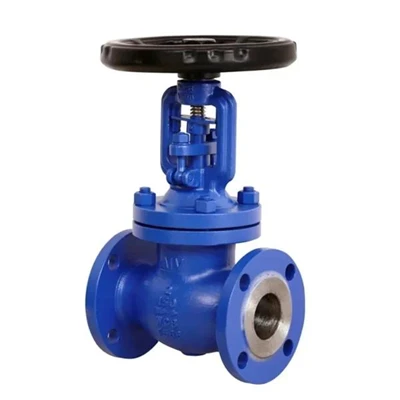
In conclusion, the performance of a butterfly valve in pulsating flow is influenced by a variety of factors, including flow control requirements, sealing performance, structural integrity, and the generation of noise and vibration. Understanding these factors and implementing appropriate strategies can help to optimize the valve’s performance and ensure reliable operation in pulsating flow applications.
Butterfly Valve As a butterfly valve supplier, we are committed to providing high – quality valves that are designed to withstand the challenges of pulsating flow. Our experienced team can work with you to select the right valve for your specific application, offer technical support, and provide maintenance services. If you are facing challenges with fluid control in pulsating flow systems or are looking to upgrade your existing valves, we encourage you to get in touch with us. We would be delighted to discuss your needs and help you find the best solution for your project.
References
- Miller, D. S. (2015). Internal Flow Systems. BHRA Fluid Engineering.
- Idelchik, I. E. (1986). Handbook of Hydraulic Resistance. Hemisphere Publishing Corporation.
- Valve Manufacturers Association International. (2020). Valve Selection and Sizing Guidelines.
Wenzhou Starry Valve Co., Ltd.
Wenzhou Starry Valve Co., Ltd. is one of the most professional butterfly valve manufacturers and suppliers in China, also supports customized service with low price. Please feel free to buy the newest butterfly valve made in China here from our factory. Welcome to contact us for pricelist.
Address: No.4900, 3rd Road, Binhai Industrial Park, Wenzhou Economic & Technological Development Zone, Wenzhou City
E-mail: starryvalves@163.com
WebSite: https://www.starryvalves.com/
