Yo, let’s cut to the chase: if you’re here reading this, you’re either an IT tech who’s tripping over loose fiber cables in a server closet, a facilities manager staring at a spool of indoor fiber that’s starting to fray, or maybe a fellow Indoor Fiber Optic supplier who’s seen way too many bots mess up storage. Whatever the case, I’ve been in this game for 7 years—we stock, ship, and trouble-shoot indoor fiber every single day—and I’ve seen what happens when storage gets lazy. Last year alone, we had 12 small clients call us for replacements because their stored indoor fiber snapped, or got bent too tight, or even got covered in dust so thick their signal dropped 30%. That’s avoidable, right? Let’s break this down like we’re chatting in a break room, no stuffy jargon, no fake tips. Indoor Fiber Optic
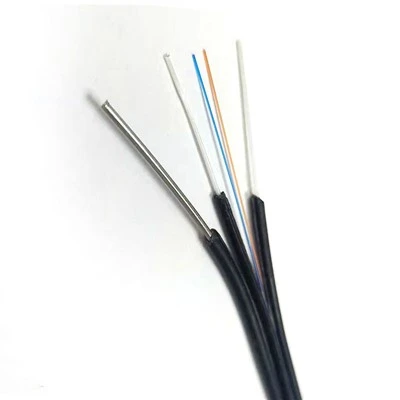
First, let’s get one thing straight: indoor fiber isn’t the same as outdoor fiber. Outdoor stuff is built to handle rain, cold, and being slung up poles; indoor is thin, coated with a super tight buffer (usually 900μm, for you tech folks who care), and designed for inside walls, drop ceilings, server racks—spaces with controlled temps, no extreme weather. Store it wrong, and that delicate buffer tears, the glass strands inside crack, or the bend radius goes so small it creates micro-bends that kill signal. I can’t tell you how many times a new installer will bring a spool of indoor fiber to a job, dump it in the back of their van, and then act shocked when half the cable is dead before they even pull it. Don’t do that to your stock, don’t do that to your installers.
Let’s start with the basics that everyone skips: where not to store it. I’ve seen people tuck spools in supply closets next to the water heater? Bad. Toss loose cable into a pile of old network gear? Dumber. Even the “safe” spots can mess you up: attics get way too hot in summer, basements get damp—indoor fiber hates both. The sweet spot is a cool, dry, climate-controlled space, like a locked office closet or a dedicated storage room, where temps stay between 10°C and 25°C (that’s 50°F to 77°F for my US crew) and humidity is under 60%. Why? Extreme temps make the fiber’s coating brittle over time; too much moisture can seep through tiny cracks in the buffer and corrode the glass strands. We once stored a batch of indoor fiber in a warehouse where a pipe leaked, and two weeks later, the first spool we pulled had 8 break points—we had to write off $1,200 in product. Save yourself the headache, skip the damp and the extremes.
Now, the big one: spool storage. Most indoor fiber comes on plastic or cardboard spools, right? Don’t just leave those spools leaning against a wall like a weird decorative pile. If you’re storing full, unopened spools (which you should be doing for stock, not cutting off pieces and leaving them loose), there’s two golden rules. First, store spools upright, not on their side. Wait, why? Let’s think: a spool is a big circle. If you lay it flat on the floor, the weight of all the cable on top of the bottom strands crushes them, creates micro-bends, and even can stretch the buffer. Upright means the weight is distributed evenly down the center hub, not pressing on the cable wrap. Second, never stack more than three spools high. Cardboard spools get squished; plastic ones can warp if you pile too much. Last quarter, a client stacked 5 spools of our indoor fiber, and the bottom two had their spool flanges bend inward so far, when they tried to pull the cable, it snagged and snapped. Total waste. If you’ve got to stack, put the heaviest spools on the bottom, obviously—don’t put a 10,000-foot spool on top of a 1,000-foot one. That’s just common sense, but I’ve seen it go wrong.
What if you’re dealing with loose indoor fiber, not spools? Like, you cut a piece to pull through a drop ceiling, and you’ve got leftover 50-foot pieces you need to store. Don’t just tie them in a knot—knots are the #1 cause of broken indoor fiber. I’ve had installers call me panicking because they knotted a leftover piece to keep it from tangling, and when they pulled it, it snapped in two. The fiber inside is glass, not string—knots create a point of extreme stress that breaks it instantly. If you have loose pieces, wrap them loosely around a small spool (you can buy cheap plastic spools from any hardware store) or coil them into a big, loose loop, not a tight circle. Wait, how loose? The bend radius—for indoor fiber, it’s at least 10 times the cable’s diameter. Our indoor fiber is 2mm thick, so that means a loop no smaller than 20mm (about 0.8 inches) across. If you make a loop smaller than that, even if it’s not a knot, you’ll get micro-bends that kill signal over time. We tested that last year: a 15mm loop on our indoor fiber cut signal strength by 40% after 2 weeks. Loose, big loops = good. Knots, tight coils = bad. Also, label those loose pieces! I can’t tell you how many times a client called us saying they lost a piece of single-mode vs multi-mode indoor fiber—you need both, and mixing them is a whole other problem. Write the length and type on a piece of tape and stick it to the coil.
Next, what about environment-specific storage? Let’s say you’re a field tech who’s carrying a small roll of indoor fiber in your work truck for jobs. Don’t leave it in the truck bed in the sun, or under the seat where it’s hot. We’ve made portable fiber storage cases for exactly this—waterproof, foam-lined, with a slot to hang a small spool so it doesn’t bounce around. If you don’t have a case, tuck it in the passenger footwell, not the back where it can get kicked, and keep it away from tools with sharp edges—snips, screwdrivers, even a heavy wrench can nick the cable’s outer coating, leading to fraying or breaks later. Also, never drag indoor fiber across the floor. If you’re pulling it through walls or drop ceilings, lift the spool and feed it, not yank it. I’ve seen a tech drag a spool down a concrete hallway, and the cable’s outer coating got a 6-inch tear that went all the way to the glass—they had to fix it on-site, which wasted 2 hours and made the client late.
Wait, what about storage for bulk stock? If you’re an indoor fiber supplier like me, or a facilities manager who’s ordering 100,000 feet at a time, you’ve got to think about long-term storage, not just a week. We store our bulk spools in a 1,500 sq ft climate-controlled warehouse, and we do monthly checks. Why monthly? Even if the space is perfect, dust can build up, spools can get moved, and you might not notice a small tear in the coating until it’s too late. We once had a spool that had a tiny 1mm tear we missed on our monthly check; over 6 months, dust got in, and when we pulled it, the signal was 50% down. Monthly checks: wipe down spools to get rid of dust, check for dents or tears in the coating, make sure spools are still upright and not stacked too high. Also, don’t store indoor fiber near chemicals—cleaning supplies, paint, even spray adhesive. The chemicals can eat away at the cable’s buffer, which is plastic. We had a client who stored indoor fiber next to a can of floor stripper, and the coating started to dissolve after a month. Total loss.
Let’s talk mistakes I see all the time, and how to fix them. Mistake 1: Storing indoor fiber with outdoor fiber. Outdoor fiber has a thicker, tougher coating, so when you stack spools, the rough outer coating of outdoor can scratch the delicate indoor buffer. Fix: separate spools by type, indoor on one shelf, outdoor on another. Mistake 2: Leaving spools in their shipping boxes. Wait, shipping boxes are usually cardboard, and if they get damp or squished, the spools inside get ruined. If you’re storing for more than a month, take the spools out of the shipping box and put them on shelves upright, in a plastic bin if you want extra dust protection. Mistake 3: Ignoring cable labels. Indoor fiber comes in single-mode and multi-mode, different pull strengths, different bend radii. If you mix them and store them in the same pile, you’ll grab the wrong one for a job and mess up installation, or even damage the cable when you pull it. We color-code all our indoor fiber spools: blue for single-mode, orange for multi-mode, so you can spot them in a second. That’s a small thing, but it saves so much time.
Now, why does this matter for you, whether you’re buying from a supplier like me or storing your own stock? I get it, storage is a chore—you’ve got jobs to do, deadlines to hit, who wants to organize fiber spools? But bad storage adds up. A single spool of indoor fiber costs $80, right? If you ruin two spools a quarter, that’s $640 a year in replacements. Multiply that if you’re a business with 10 sites, that’s $6,400. Plus, downtime: if your stored fiber is bad, you have to order new ones, which takes 3-5 business days, and that means your install is delayed, your client is mad, and you lose goodwill. Last year, a client of ours had a server room fiber go bad because of bad storage, and they had to delay a client launch by 2 days. That cost them $15,000 in penalties. That’s way more than the cost of storing it right.

We’ve tested all these tips with our own stock, and with our clients, and they work. We’ve had clients who switched to proper storage, and their break rate dropped from 12% a year to less than 2%. That’s a huge difference. Now, if you’re someone who needs indoor fiber—whether you’re a small business stocking up, a big facilities manager, or even a fellow supplier—we’ve got all the stuff you need: spools from 500 feet to 20,000 feet, loose bulk cable, the portable storage cases I mentioned, even label tapes to keep your stock organized. We ship next day, and our team has 7 years of experience troubleshooting fiber issues, so if you’re not sure how to store something, just hit us up. We don’t do hard sells—we’ve been in this space long enough that word of mouth is our best advertising, so if you need help with storage, or just want to ask what kind of fiber works for your space, reach out. No weird forms, no corporate hoops—just us, and we’ll get you sorted.
Indoor Fiber Optic References:
- Telecommunications Industry Association. (2021). Standard for Indoor Fiber Optic Cable Installation and Storage. TIA-568.2-D.
- Fiber Optic Association. (2022). Storage Best Practices for Indoor Optical Fiber Cables. FOA Guide to Fiber Handling.
- International Electrotechnical Commission. (2020). Environmental Conditions for Optical Fiber Cable Storage. IEC 60794-1-2.
Guangdong Shengtang Optical Cable Communication Equipment Co., Ltd.
As one of the most professional indoor fiber optic manufacturers and suppliers in China, we’re featured by quality products and good price. Please rest assured to buy bulk durable indoor fiber optic in stock here from our factory. Customized orders are welcome.
Address: The 6th floor of Building B3, located on the south side of Jingyi Road, Shiwan Town, Boluo County, Huizhou City, Guangdong Province.
E-mail: gdshengtang@gmail.com
WebSite: https://www.gdstcable.com/
