If you’ve ever walked the floor of a manufacturing trade show and stopped by a laser processing machine booth, you’ll notice something quick: every shop’s needs aren’t the same. One aerospace company might be cutting 2mm titanium panels for aircraft frames, a medical device maker might be welding tiny 316L stainless steel parts for pacemaker components, and a sign shop might be engraving acrylic for storefront displays. When I first started working as a laser processing machine supplier nearly fifteen years ago, I assumed most customers would be happy with a “one-size-fits-all” model. That turned out to be wrong—so wrong, in fact, that 90% of the inquiries I get now start with some version of “can I customize this for my specific job?” Laser Processing Machine
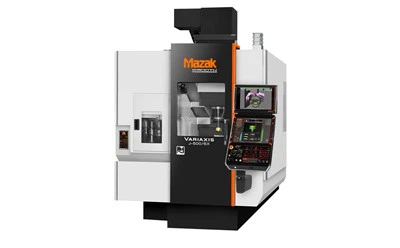
I still hear skeptical questions sometimes. A shop manager will ask if customization really makes sense, or if it’ll just add cost and lead time without delivering value. Let me start with the short answer: yes, a laser processing machine can absolutely be customized—and for most production environments, it’s not a luxury, it’s a necessity. But there’s a difference between cobbling together off-the-shelf parts and designing a machine that’s built to fit your exact workflow, materials, and output demands. I’ve seen this play out dozens of times, so let’s break down what customization actually means in our industry, why it matters, and how the process works when a customer works with a trusted supplier.
First, let’s get clear on what a “standard” laser processing machine usually includes. Most entry-level models come with a fixed laser power, a standard worktable, and basic software that handles common cutting or engraving tasks. Those work great for small, low-volume shops that process a single type of material—say, a hobbyist who cuts plywood for custom home decor, or a small sign shop that runs 1/4-inch acrylic every day. But when your operation has unique constraints, that standard machine starts to feel like a square peg in a round hole.
Let’s talk about the most common types of customizations I see, because they’re the ones that actually move the needle for customers. The first is laser power and wavelength. A CO2 laser works great for non-metals like wood, plastic, and fabric, but it won’t cut through thick steel. A fiber laser, on the other hand, is ideal for metals, but it doesn’t process organic materials as cleanly. But even within those categories, there’s nuance: a customer cutting 16 gauge stainless steel for food service equipment needs a 1500W fiber laser, while one cutting 2mm aluminum for automotive parts might need a 3000W model to get the speed and edge quality they require. Some shops even need dual-wavelength lasers, so they can switch between metal and non-metal jobs without reconfiguring the machine. That’s a customization most suppliers will build if you ask for it, instead of making you buy two separate machines.
Next is the work envelope and automation integration. A standard 4×8 foot worktable works for many shops, but what if you regularly process oversized materials—like 10-foot aluminum sheets for trailer panels, or 8-foot acrylic signs for building facades? We can extend the worktable, add a gantry system that can move over longer lengths, or even design a machine that processes materials in line, so you don’t have to manually load and unload large parts. For high-volume production, automation is a game-changer. A standard machine might require a human operator to load every part, but a custom model can add a robotic arm, an automatic sheet feeder, or a pallet changer that lets the machine run unattended overnight. I worked with a medical device manufacturer last year that was manually loading 100 tiny pacemaker components a day; after we integrated a small robotic loader, their output tripled, and they cut labor costs by 40%. That’s the kind of return on investment that makes customization worth it.
Then there’s software and process integration. Most standard laser machines run on generic design software, which is fine for simple jobs, but if you’re working with specialized files—like CAD models for aerospace parts, or parametric designs for custom medical implants—the software can’t handle them. Customizing the software means integrating with your existing CAD/CAM system, adding nested cutting tools to reduce material waste, or even building in quality checks that scan every cut for defects before the part moves to the next step. I remember a customer in the aerospace industry who was losing 15% of their titanium parts because of minor edge irregularities that the standard machine didn’t catch. We added a custom vision system that scans each part mid-cut, adjusts the laser path in real time, and cuts waste down to less than 2%. That saved them tens of thousands of dollars in material costs every year.
Now, some customers worry that all this customization will mean long lead times and huge price tags. It’s true that a custom machine isn’t as cheap as an off-the-shelf model, but the incremental cost is often small compared to the long-term savings. And when we work through a custom project, we set clear timelines up front—usually 6 to 12 weeks, depending on the complexity, which is only a few weeks longer than a standard machine. I’ve found that customers who rush into a standard machine without considering their long-term needs end up spending more later on modifications or additional equipment. One customer, a custom furniture maker, bought a standard 100W CO2 laser three years ago. They recently had to add a new line of metal furniture, so they spent $12,000 retrofitting the machine with a fiber laser instead of buying a dual-wavelength model for $8,000 up front. It’s a classic case of “pay more later” vs. “invest a little more now.”
But customization isn’t just about upgrading parts—it’s about understanding your workflow. When a customer comes to me with a request, the first step isn’t to pull up a design. It’s to sit down and talk through every part of their operation: how many hours a day the machine runs, what materials they process, what their biggest pain points are, and their future goals. A few years ago, a small fabrication shop owner told me they were struggling with downtime because their standard machine needed frequent lens cleanings, which would stop production mid-job. We didn’t just add a self-cleaning lens to the machine—we adjusted the enclosure design to keep dust and debris out entirely, cutting cleaning frequency from once a week to once a quarter. That’s the kind of tailored solution you can’t get with a stock machine.
There are also limits to customization, and it’s important to be honest about that. You won’t get a machine that can cut through 12-inch steel with a 50W laser, no matter how much you ask. We always make sure to set realistic expectations, and if a customer’s request isn’t feasible, we’ll tell them why and suggest an alternative. For example, a customer who wanted to process very thin, fragile glass for electronic components might have been better suited for a smaller, high-precision laser instead of modifying a standard model. That transparency is part of what keeps customers coming back.
If you’re considering customizing a laser processing machine for your shop, here’s what to expect from the process. First, we’ll do a site visit (or a detailed consultation over video) to assess your space, power requirements, and existing workflow. We’ll put together a custom proposal that includes specifications, lead time, and cost, with no hidden fees. Once you approve, our engineering team will design the machine specifically for your needs, and we’ll build a prototype for testing before shipping. When the machine arrives, our technicians will install it and train your team on how to use it, with ongoing support after delivery.
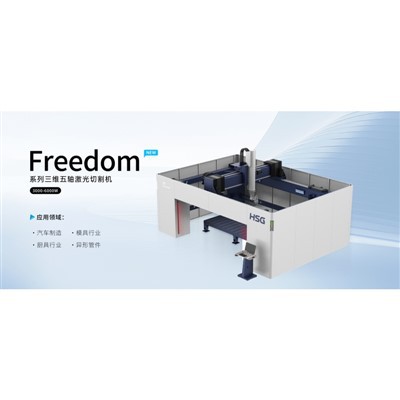
I’ve been in this industry long enough to see how much difference the right machine can make for a business. A custom laser processing machine isn’t just a tool—it’s something that’s built to fit your unique challenges, help you work faster, reduce waste, and open up new opportunities. If you’re tired of out-of-the-box machines that don’t quite work for your shop, I’m here to help you explore what customization can do for you. Reach out to me to start the conversation about your specific needs, and let’s build a machine that grows with your business.
Laser Processing Machine References
- Manufacturing Extension Partnership. (2022). The Impact of Custom Manufacturing Equipment on Operational Efficiency. U.S. Department of Commerce.
- Laser Institute of America. (2021). Guide to Industrial Laser Processing Machine Customization. LIA Press.
- Society of Manufacturing Engineers. (2023). Cost-Benefit Analysis of Customized Industrial Machinery in Production Environments. SME Publications.
- Euro Lasers Association. (2022). Wavelength and Work Envelope Customizations for Laser Processing Applications. ELA Technical Report Series.
- International Journal of Production Research. (2021). Workflow Integration of Custom Automated Laser Processing Systems. Taylor & Francis.
Hermens Industrial Co., Ltd.
As one of the most professional laser processing machine enterprises in China, we’re featured by quality products and low price. Please rest assured to buy cheap laser processing machine in stock here and get quotation from our factory. We also accept customized orders.
Address: 9/59 Moo 14, Rachathewa , Bang Phli , Samut Prakan Province 10540
E-mail: liu_jincheng@hzhemen.com
WebSite: https://www.hermensindustrial.com/
