Hey there, fellow garden lovers! Let’s cut to the chase if you’ve ever glanced at a wooden bird box, raised garden bed, or decorative arch in your outdoor space and thought—wait, is that a bug hotel? No, really, do my wooden garden features actually attract insects, and is that a good thing? As someone who runs a small Wooden Garden Features supplier, I get this question all the time. I’ve spent years hearing customers worry that their new raised herb bed or hand-carved garden obelisk will turn into a bug motel they never asked for. So let’s break this down—no stuffy science jargon, just real talk about bugs, wood, and what actually happens in your garden when you pick wooden features. Wooden Garden Features
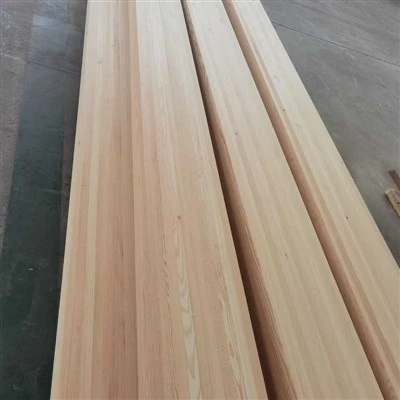
First off, let’s get one basic truth out of the way: wood is organic. It’s not plastic, it’s not metal, it’s basically a big pile of compressed plant cells that still have stuff in ’em. That alone makes it way more appealing to insects than any synthetic garden feature you could buy. But here’s the catch—not all bugs that show up are bad. Let’s split this into two groups: the ones you’re low-key stoked to have, and the ones that make you grab a can of bug spray.
Let’s start with the good bugs, because that’s where most of the insect action on wooden features happens. Bees, butterflies, ladybugs, even tiny solitary wasps—these are the pollinators and pest controllers your garden needs. And wooden garden features are prime real estate for these guys. Wait, why? Think about the structure: a bird box has that small entrance hole perfect for a solitary bee that doesn’t need a big nest. A raised garden bed with untreated, unfinished wood has crevices and gaps where ladybugs can tuck in overnight, or lay eggs that’ll eat aphids off your roses. Even a simple wooden garden arch, the kind we supply, has those little nooks between the slats where lacewings hang out—they’re like the secret garden’s pest squad, munching on mealybugs and spider mites all day.
I learned this years ago, actually. Back when I first started selling wooden features, I got a frustrated call from a customer in Leeds. She said her new raised vegetable bed was “swarming with wasps” and she wanted a refund. Turns out, those were mason wasps—super docile, they don’t sting unless you really squish ’em, and they’re amazing pollinators. She had no clue, and neither did I at the time. We chatted for 20 minutes about how they’d been nesting in the gaps of the bed’s corners, and she ended up sending me a pic a week later of her tomato plants growing like crazy, thanks to those wasps pollinating the flowers. That’s when I realized: the insect traffic on wooden features isn’t a flaw—it’s a feature, pun very intended.
Now, what about the bugs you don’t want? We’re talking termites, carpenter ants, wood-boring beetles. These are the ones that actually damage your wooden features, not just hang out in ’em. The big question here is: do they attract these pests, or are they just opportunistic? And the answer is—depends on what kind of wood you use, and how you maintain it. Let’s be real: if you leave a chunk of raw, untreated oak in a damp, shady corner of your garden, yeah, it’s gonna get eaten by something. But that’s not a problem unique to wooden features—any organic material (dead tree branches, old fence posts) in a damp spot will do the same.
Here’s a secret I share with all my customers when they place an order: we only use pressure-treated or naturally durable woods for our features. We’re not talking that weird toxic stuff from the 90s—today’s pressure-treated wood is safe for gardens, even for vegetable beds. Or we use cedar, which has natural oils that repel most wood-boring bugs. Last year, a customer had a problem with a small wood-boring beetle on her old wooden bench (not one of ours, to be clear) because she’d left it leaning against a damp wall for a year. She replaced it with our cedar garden bench, and hasn’t had a single issue. The difference? Cedar’s oils make it way less appetizing to destructive bugs than, say, pine left out in the rain.
Another big thing people worry about is mold. Wait, is mold a bug? Kind of, in the fungi family, but it’s not the creepy crawlies we’re talking about. But mold does attract tiny gnats, right? Again, this is about maintenance, not the wood itself. If you have a wooden feature that’s constantly wet—say, a raised bed that’s sitting in a puddle after every rain, or a bird box with a hole that lets water pour in—yeah, mold will grow, and gnats will show up. But fix the drainage, maybe add a tiny slant to your bird box roof, and that problem vanishes. Most wooden features that are installed properly (read: not sitting in a soggy spot) don’t get mold, and the gnats go elsewhere.
Wait, let’s also bust a common myth here: you don’t have to “seal” your wooden features every year to keep bugs away. A lot of my customers ask for that, thinking it’ll keep all insects out, but really, sealing too much can clog the wood’s pores. Those pores are exactly why the good bugs like mason bees love wooden features—they can crawl into the small holes and lay their eggs. If you slather a thick sealant over the entire thing, you’re blocking that, and the good bugs will go somewhere else. The occasional coat of a natural, beeswax-based sealant is fine, but skip the heavy, synthetic stuff if you want to keep pollinators around.
I’ve been in this game for 10 years, and I’ve tested a ton of different woods and finishes. Let me give you a quick breakdown of what works for insect appeal (the good kind, obviously) and what to avoid:
- Best woods: Cedar, oak, redwood, pine (wait, pine is okay if it’s treated, but raw pine is more prone to bad bugs). These have the right texture—rough enough for bees to grip, small gaps for ladybugs, durable enough not to break down fast.
- Worst woods: Soft, rotting wood that’s been left out unprotected for years, because that’s where carpenter ants and termites will set up shop.
- Finishes: Skip the spray-on chemical sealants. Go for beeswax or linseed oil—they’re natural, don’t block the wood’s pores, and still protect the wood from rain.
Here’s a real example from my own garden. I have a small wooden obelisk we supply, planted with climbing roses. Last summer, I noticed tiny solitary bees nesting in the holes of the obelisk’s slats. I was worried at first, but those bees pollinated the roses, which then produced tons of hips, and the ladybugs that were hanging out on the obelisk ate every aphid that tried to move in. I didn’t spray a single pesticide, and my roses were healthier than ever. That’s the magic of wooden features—they’re not just decor, they’re tiny insect habitats that work with your garden, not against it.
Now, let’s talk about the times when insects are a problem. If you do get carpenter ants, for example, that’s usually a sign your wooden feature has been in a damp spot for too long, not that all wooden features are bad. Carpenter ants don’t eat wood, they nest in it, so fixing the dampness (maybe move the feature a foot away from the wall, add drainage) will make it way less appealing for them. If you get wood-boring beetles, that’s a sign the wood was poorly processed—so make sure you buy from a supplier that uses quality, treated or durable wood, which is what we do.
I get it, no one wants their pretty garden decor to turn into a bug party they didn’t invite to. But here’s the thing: most of the insects you’ll get on your wooden garden features are the beneficial ones. They’re the ones that help your plants grow, keep pests away, and make your garden a more vibrant, living space. The only bugs you have to worry about are the ones that come from bad installation or low-quality wood, not the wood itself.
If you’re in the market for wooden garden features—whether it’s raised beds, bird boxes, arches, obelisks, or benches—I can tell you from experience that the ones we make are designed to work with your garden, not against it. We use naturally durable woods, simple finishes that don’t block insect-friendly pores, and we’re always here to answer questions if you’re worried about bugs, maintenance, or anything else.
If you’re thinking about upgrading your garden with a wooden feature, or if you have questions about which one would work best for your space, feel free to reach out and we can chat through the details. Whether you’re a home gardener with a small patio or a landscape designer working on a big project, we’re here to help you pick something that looks great and works for your garden’s ecosystem.

At the end of the day, a garden is a living thing. It’s not a static display of pretty rocks and plastic flowers. Wooden features bring that organic element, and yes, that means bugs will show up. But that’s a good thing—most of the time. Don’t let the fear of insects make you skip out on adding a wooden feature that’ll make your garden feel warm, personal, and full of life.
Building Accessories References:
- North American Pollinator Protection Campaign. (2022). Wooden Structures as Solitary Bee Habitat.
- University of California Statewide IPM Program. (2021). Wood-Based Garden Materials: Pest Risks and Benefits.
- Royal Horticultural Society. (2020). Beneficial Insects in Garden Wood Structures.
- Forest Products Laboratory, USDA. (2019). Natural Durability of Wood Species for Outdoor Use.
Zendekin Low-Carbon Technology Co., Ltd.
Address: Building 3, Yincheng INC Center, No.59 Tianyuan West Road, Jiangning District, Nanjing, Jiangsu, China.
E-mail: 13813916590@126.com
WebSite: https://www.zdqeco.com/
