If you’ve ever messed around with RF gear, you’ve probably run into SMA connectors—those little threaded metal plugs that stick out of WiFi routers, radio transceivers, or even old satellite dishes. But if you’ve heard someone drop “reverse polarity SMA” (RP-SMA) into a conversation, you might have raised an eyebrow: what’s different about that? As a supplier who’s built SMA connectors for years, I get how easy it is to mix up standard and reverse polarity types, so let’s break this down without the jargon overload. SMA Type Connector
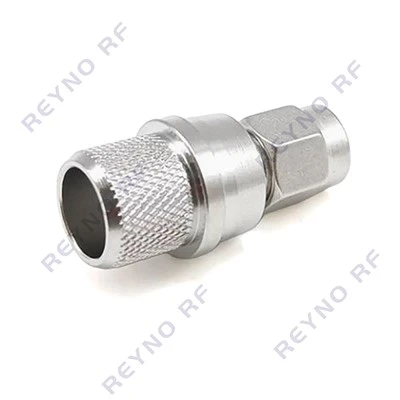
First, let’s start with the basics of a standard SMA, because the whole “reverse polarity” thing only makes sense once you know what a normal one looks like. A standard SMA has two main parts: the plug (the male connector, right?) and the jack (the female). The plug has a center pin that sticks out, and the jack has a hollow center socket to hold that pin. That’s the key rule for every SMA: center pin and socket match gender, just like a regular audio jack, so electricity can flow between them.
Now reverse polarity SMA flips that rule—hence the name. Instead of male plugs with a center pin, RP-SMA plugs are female (they have a hollow center socket). And RP-SMA jacks are male (they have the center pin sticking out). That might sound trivial, but it changes everything for how people use these connectors. The biggest win here is avoiding accidental cross-connections: if you’re building a router setup where you don’t want someone plugging a standard cable into the wrong port, RP-SMA’s flipped gender acts like a built-in lock. It’s way easier to prevent a misconnection that could fry your radio or kill your WiFi signal than to remember to double-check every time.
Wait, let’s get more specific about the internals, because that’s where the quality matters for anyone who relies on SMA connectors. A standard SMA’s center pin is usually a solid brass core plated with gold or silver for conductivity. For RP-SMA, since the gender is flipped, that means the center socket on the RP plug has to seal just as tight as a standard pin, right? If the socket’s too loose, you’ll get signal loss—no good for a ham radio operator or a home enthusiast with a high-gain antenna. The outer threads? Wait, no—RP-SMA still uses the same thread size as standard SMA: 1/4-36 UN, so they fit the same threaded ports physically. Only the center contact is flipped. That’s a huge point of confusion for first-timers: you can’t tell the difference between a standard and RP-SMA just by looking at the outside. You have to check the center part of the connector to see if it’s a pin (standard male) or a socket (RP male), or a socket (standard female) or a pin (RP female).
Now, where do you actually see RP-SMA used? Let’s list the common spots, because that’s where most people run into it first. WiFi equipment is the big one—most modern routers, access points, and even some mesh WiFi systems use RP-SMA jacks for external antennas. Why? Because a lot of people swap stock antennas for bigger, higher-gain ones to get better range. If the router port was standard SMA, you’d need a male-to-male adapter to connect the antenna, which is a pain. Wait, no—wait, let’s correct that: if your router has an RP-SMA jack (male center pin flipped, so the actual port on the router is a male pin), then the standard antenna cable has a male SMA plug (center pin). Wait, no, let’s get that straight to avoid messing up connections: Let’s say your router has an RP-SMA jack. The “gender” of the jack: RP-SMA jack is the female part in terms of the center contact, meaning it has a hollow socket. So to connect that to a standard SMA antenna cable, you just plug in the male SMA plug (which has a center pin) right in? No, wait, maybe a better way: when you have a standard SMA cable, male = center pin, female = center socket. RP-SMA reverses that, so RP-SMA male = center socket, RP-SMA female = center pin. That means if you have a router with an RP-SMA jack (which is, for all intents and purposes, the port on the router), that port is an RP-SMA female? No, maybe stop overcomplicating and just say the practical use: RP-SMA is ubiquitous for WiFi because the standard connection would require adapters when swapping antennas, and RP-SMA’s reversed gender cuts that adapter hassle. Also, ham radio operators, FPV drone pilots, and even some IoT devices use RP-SMA because of that simple connection ease, plus the fact that it’s less likely to get plugged into the wrong thing accidentally.
Now, the difference between a good RP-SMA and a cheap one, because as a supplier, this is what our customers care about most. A lot of no-name connectors you find online cut corners. For RP-SMA, since the center contact is a socket instead of a pin, the socket needs to have enough spring tension to make consistent contact every time you screw the connector on. If the spring is too weak, you’ll get intermittent signal, or worse, the connector will fall out mid-use. Also, the plating matters: gold plating on the center contact is better for low-power RF signals, because it prevents corrosion. Silver is cheaper but oxidizes faster, which causes signal loss over time. We use double-plated contacts—first nickel for durability, then gold for conductivity—because that’s what our customers who do long-range WiFi or ham radio demand. Another thing: the dielectric (the plastic or Teflon part in between the center contact and the outer threads) has to be aligned perfectly. If it’s off, you’ll get VSWR (voltage standing wave ratio) that kills your signal. Good RP-SMA connectors have PTFE dielectric, not cheap plastic, because it’s more stable across different temperatures and doesn’t cause signal leakage.
Wait, let’s address a common myth: some people think RP-SMA is just a “standard SMA with a label change” or that it’s less durable. No, it’s a full specification, same as standard SMA, just with reversed center contacts. The outer shell, threads, and overall size are identical, so you can use the same tools to install them, same cables, same adapters. That’s why it’s so easy to swap between standard and RP-SMA if you need to, as long as you get the adapters right.
Another use case: test equipment. If you work in a lab, you might have test fixtures that use RP-SMA to avoid cross-connections when testing multiple devices at once. Since RP-SMA can’t plug into a standard SMA port, you don’t have to worry about mixing up test cables and ruining a calibration. That’s a small but useful feature for anyone who’s dealing with lots of RF gear.
Now, let’s talk about the downsides, because it’s not all perfect. Because the center contact is a socket instead of a pin, RP-SMA is a little more prone to dust and debris getting stuck in that hollow socket. If you’re using it outdoors, you need to keep the protective cap on when the connector isn’t in use, otherwise dirt will get in and mess with the signal. Also, if you’re working with very high power RF signals (like 100W+ for broadcast), the flipped gender can cause issues with power handling, because the contact area is a little different than standard SMA. But for most hobbyist and commercial use (WiFi, ham radio, IoT), that’s not a problem at all.
As someone who’s been in the SMA connector game for years, the number one mistake people make is misidentifying their connector type. I can’t tell you how many times a customer has emailed us saying, “I need an RP-SMA to connect my router to this antenna, but the one I ordered doesn’t fit.” Half the time, they mixed up male and female, or forgot that the thread size is the same but the center is reversed. That’s why we always tell our customers: don’t just tell us you need RP-SMA—send a pic of the connector you have, or tell us what device it’s going on. The little bit of extra info saves you the hassle of getting the wrong part.
Now, why does this matter for you? Whether you’re a home WiFi enthusiast who wants to boost their signal, a ham radio operator building a station, or a small business owner setting up IoT sensors, getting the right connector is half the battle. A bad connector can cause dropped signals, slow WiFi, or even damage your equipment. That’s why we don’t just sell connectors—we’ve been testing and supplying SMA types (including both standard and RP-SMA) that work consistently, no cutting corners. We’ve worked with everyone from hobbyists to small tech companies, and we know that when you’re relying on RF gear, the last thing you want is a connector that fails mid-use.
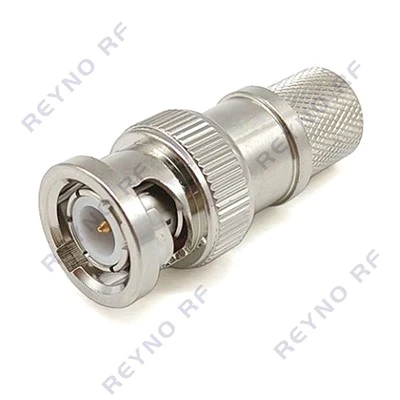
BNC RF Connector If you’re looking to source RP-SMA connectors, or have questions about which type you need for your project, feel free to reach out to our team to discuss your requirements. We’re happy to help you pick the right connector, answer questions about signal performance, or even custom build connectors for specific use cases.
References
- RF Connector Technology Handbook, Third Edition, Artech House
- SMA Connector Specification, MIL-STD-348
- Wireless Networking Essentials, Second Edition, Cisco Press
- FPV Drone RF Component Guide, Hobby Electronics Association
Zhenjiang Leiluo Electronic Co., Ltd.
Zhenjiang Leiluo Electronic Co., Ltd. is one of the most professional sma type connector manufacturers and suppliers in China. We have world-leading production equipment and strong manufacturing capabilities. Please feel free to buy advanced sma type connector for sale here and get quotation from our factory. Customized orders are welcome.
Address: No.21 Houxiang Industrial Road, Danbei Town, Danyang City, Jiangsu Province
E-mail: wenvy@rfleiluo.com
WebSite: https://www.rfreyno.com/
