If you’ve ever stepped into a foggy, dust-free workshop on a hot summer day, or marveled at how a citrus orchard keeps its trees free of powdery mildew without wasting water, you’ve probably worked with a mist duster. For anyone new to the equipment—especially small farm owners, landscaping contractors, or workshop managers looking to upgrade their pest control or dust suppression setup—the first question we always get is: what size tank does a typical mist duster have? As a supplier who’s worked with thousands of users over the past decade, I can tell you the answer isn’t one-size-fits-all, and picking the wrong tank size is one of the most common mistakes new buyers make. Mist Duster
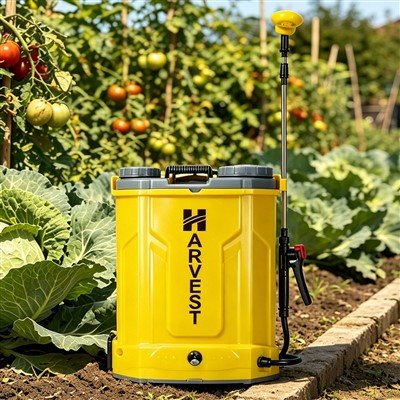
Let’s start with the basics: a mist duster (sometimes called a fogger or mist blower) differs from a regular pressure sprayer in that it turns liquid into ultra-fine mist, small enough to cling to leaves, dust particles, or even hard-to-reach surfaces like warehouse rafters. The tank size directly ties to how much coverage you get before needing a refill, how heavy the unit is to carry or tow, and how practical it is for your specific job. I’ve seen a gardener with a 2-gallon mist duster finish a full vegetable plot without a second refill, and a commercial pest control technician abandon a 5-gallon unit mid-job because it left them hauling extra weight around a 10-acre apartment complex.
When we break down typical tank sizes, they fall into three main categories, each designed for a specific use case. First, the smallest category: handheld mist dusters, which are the most popular for residential gardeners, hobbyist orchardists, and small indoor spaces. These usually have tanks between 1 and 5 gallons. I remember a customer last year who runs a small urban herb garden with 20 raised beds—she uses a 1-gallon handheld mist duster for her neem oil sprays against aphids. She refills it every other bed, which works perfectly because she only needs to cover the top of the plants, not the lower trunks or surrounding ground. Another customer, a home beekeeper, uses a 2-gallon handheld unit to apply mite treatments to his hives; the small tank lets him reach between the frames without straining, and he doesn’t waste product on areas that don’t need treatment.
The middle category is backpack mist dusters, which bridge the gap between handheld and towable units. These are the workhorses for small commercial jobs: 10 to 25 gallon tanks. A landscaping contractor I work with uses a 15-gallon backpack mist duster for his regular client, a 3-acre suburban property with a mix of fruit trees, rose bushes, and a vegetable garden. He can do a full round of fungicide and pest control treatments on every plant without stopping to refill, which cuts his job time in half compared to using a smaller handheld. We often tell customers in this category to consider the weight: a 15-gallon tank filled with water and chemicals weighs about 130 pounds, so it’s important to pick one with padded straps and balanced weight distribution. I once had a customer buy a 20-gallon backpack without testing the weight first; he had back problems, and after one job he called to say he couldn’t finish his route. We swapped it for a 12-gallon unit, and he’s been happy ever since.
Then there are towable mist dusters, the largest category, with tanks ranging from 30 to 100 gallons (and even larger for industrial farms or large warehouses). These are designed for jobs that need constant coverage over a wide area. A local blueberry farmer uses a 50-gallon towable mist duster for his 40-acre orchard; he attaches it to his utility tractor, refills it once every two days, and covers every row evenly without missing a spot. For industrial settings, like a food processing warehouse that needs to suppress flour dust or sanitize production lines, a 100-gallon towable unit can cover 100,000 square feet on a single fill, which saves hundreds of dollars in labor costs compared to smaller units.
Now, how do you pick the right size for you? It’s not just about how big your job is—there are other factors to consider. First, what chemicals are you using? Some chemicals need to be diluted in specific ratios, and a larger tank might require more product to get the right mix. We always tell customers to check the manufacturer’s recommended dilution rate before choosing a tank size. Second, portability: if you’re working on steep terrain, a larger tank might be too heavy to carry, even if it’s backpack-mounted. A customer who runs a vineyard on a hillside told us he switched from a 20-gallon backpack to a 10-gallon model because he could carry it up the slopes without stopping every 10 minutes to rest. Third, storage: if you don’t have a lot of space in your garage or workshop, a larger tank might be too big to store easily. I once had a small-scale farmer who bought a 75-gallon towable unit, only to find he couldn’t fit it in his barn; he ended up renting space to store it, which ate into his profits.
Another common question we get: is there a “standard” tank size for mist dusters? The short answer is no, but the most popular size across all categories is 15 gallons. It’s versatile enough for small commercial jobs, not too heavy for backpack use, and doesn’t require too many refills for residential or hobbyist use. We sell more 15-gallon units than any other size, and most of our repeat customers come back for the same size because it fits their needs perfectly. That said, we have customers who swear by 2-gallon handhelds for their small gardens, and others who need 80-gallon towable units for their 100-acre corn farms, so there’s no one right answer.
We also get a lot of questions about how tank size affects the mist quality. Some customers think a larger tank will produce a finer mist, but that’s not true. Mist quality depends on the nozzle and the air pressure, not the tank size. A 2-gallon handheld can produce the same ultra-fine mist as a 50-gallon towable, as long as the nozzle is rated for low pressure and the unit has a good fan. The only downside of a smaller tank is that you have to refill it more often, which can disrupt your workflow if you’re in a hurry. For example, a pest control technician working on a 50-unit apartment building will need to stop to refill a 5-gallon unit at least three times, but a 20-gallon unit lets them finish the job in one go.
I should also mention that some mist dusters have adjustable tank sizes, or can be paired with extra auxiliary tanks. A customer who runs a large nursery told us he has a main 30-gallon towable tank, and he adds two 15-gallon auxiliary tanks that attach to the back of his tractor. That way, he has enough product to cover 10 acres of seedlings without stopping, which is perfect for his busy growing season. These setups are a great middle ground if you’re not sure you need a full 100-gallon unit, but you still want to minimize refills.
Now, a few common mistakes we see customers make when choosing tank size. First, buying too big. A hobbyist with a 1,000-square-foot garden doesn’t need a 30-gallon towable unit; it’s too heavy, too expensive, and overkill. We once had a customer who bought a 75-gallon unit for his small backyard, and he ended up selling it on Facebook Marketplace three months later because he couldn’t use it. Second, buying too small. A commercial landscaper who does weekly treatments on 5 acres will get frustrated with a 5-gallon handheld, as he’s refilling it every 30 minutes. Third, not considering chemical compatibility. Some chemicals, like concentrated oils, can corrode certain tank materials (like cheap plastic), but larger tanks often use more durable materials like polyethylene, which is resistant to most chemicals. We always make sure to tell customers which tank materials work with their specific products, regardless of size.
If you’re still not sure what size tank is right for you, there are a few things you can do. First, make a list of your most common jobs: what’s the average size of the area you cover, how often do you need to refill, and how portable does the unit need to be? Second, test a unit if possible. We always let customers test our mist dusters before buying, so they can see how a 10-gallon backpack feels on their back, or how a 20-gallon unit handles on their property. Third, talk to other users. I’ve had customers come to us because a neighbor recommended a 15-gallon unit, and it turned out to be exactly what they needed.
At the end of the day, the right tank size for a mist duster is the one that fits your workflow, your job size, and your physical ability to handle the unit. As a supplier, we’ve seen first-hand how a good fit can make a big difference in productivity, and how a bad fit can turn a simple job into a hassle. If you’re in the market for a mist duster, and you’re not sure which tank size to choose, don’t hesitate to reach out to our team to discuss your needs. We’ll help you pick the right size, answer any questions about tank materials or compatibility, and make sure you get a unit that works for you.
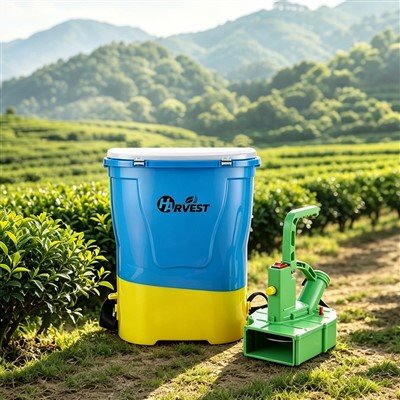
If you’re ready to upgrade your dust suppression, pest control, or orchard management equipment, we invite you to connect with our team to discuss your specific needs and find the perfect mist duster for your operations.
Garden Sprayer References:
- University of California Agriculture and Natural Resources. (2021). Pest Control Equipment for Small Agricultural Operations.
- American Society of Agricultural and Biological Engineers. (2019). Performance Standards for Mist Blowers Used in Orchard Applications.
- Occupational Safety and Health Administration. (2020). Dust Suppression Equipment Guidelines for Warehouse and Industrial Settings.
- International Society of Arboriculture. (2022). Best Practices for Mist Duster Use in Urban Landscaping.
Taizhou Tianyi Agriculture & Forestry Machinery Co., Ltd.
As one of the most professional mist duster manufacturers and suppliers in China, our products have good reputation in the market. Please rest assured to wholesale customized mist duster made in China here from our factory. If you have any enquiry about quotation, please feel free to email us.
Address: 2988 Binkang Avenue, Taizhou Bay New District, Taizhou, Zhejiang, China
E-mail: info@cnsprayers.com
WebSite: https://www.cnsprayers.com/
