Hey everyone, if you’re running a food or pharma operation that relies on rapid freezing to keep products fresh, a tunnel freezer is probably the backbone of your cold chain. I’ve been supplying these units for the better part of 12 years now, and let me tell you—even the priciest, top-of-the-line tunnel freezer won’t deliver consistent, energy-efficient results if you’re operating it like a newbie. I’ve seen so many clients drop thousands in unnecessary utility bills, product spoilage, and downtime because they’re making avoidable mistakes. Today, I’m breaking down the most common ones I run into, straight from what I see on site every week. Tunnel Freezer

First off, let’s cut to the big one: not calibrating the airflow regularly. Most folks set their tunnel’s fan speed once when they install the unit and forget about it, right? Wrong. Tunnel freezers work by pushing controlled, cold air across your product as it moves through the conveyor belt. If the vents get blocked (even a little—like crumbs from baked goods, small meat trimmings, or frost buildup over time), airflow drops unevenly. Some products get blasted with too much cold air, leading to freezer burn or texture damage, while others sit in a draft that’s too weak to freeze them properly. I had a frozen pizza client last month who was throwing away 8% of their order because the cheese was partially thawed when it left the tunnel. Turned out a ¼-inch layer of frost on the top vents had cut airflow to the last third of the tunnel, so pizzas sitting there never hit the required -18°C mark. The fix? We tell all our clients to check vent clearance every two weeks, and calibrate fan speed quarterly. Even a small adjustment here can cut your energy use by up to 15%—I’ve seen that number firsthand with a veggie processor I work with in Ohio.
Next, running the conveyor belt at the wrong speed. This seems simple, but it’s way more of a problem than you’d think. A lot of operators pick a speed and stick with it, regardless of the product’s thickness or type. Thin, fragile items like sliced berries need way less time in the cold than thick, dense stuff like whole turkeys or blocks of cheese. If your belt’s too fast for a dense product, the center never freezes through—so you end up with spoiled goods that might pass external checks but go bad mid-distribution. Too slow, and you’re wasting energy keeping the tunnel cold longer than needed, plus you might over-freeze delicate items (like ice cream sandwiches) and get cracks in the packaging or a crumbly texture. I had an ice cream brand a couple years back that was running their belt at the same speed for pints and novelty bars. They were throwing out 10% of novelties because the cold air was sitting too long, turning the chocolate coating soft and the ice grainy. All they needed was to slow the belt down 2 minutes for novelties and speed it up for pints, and that waste disappeared overnight. Pro tip: if you’re switching product runs, test a sample batch first. Stick a probe in the center of a few items to check their internal temperature when they exit—no guesswork needed.
Then there’s ignoring temperature stratification in the tunnel. Wait, what’s that? Basically, cold air sinks, right? So the bottom of the tunnel (near the conveyor belt) is way colder than the top, unless you’re mixing the air properly. A lot of operators just set the overall tunnel temp and don’t adjust for this gap. So you’ve got the top of your product frozen solid, but the bottom is still room temp because it’s sitting on a conveyor deck that’s not getting cooled evenly. I saw a seafood company a while back that was shipping whole shrimp that had clear thaw spots on the bottom side—they blamed our freezer at first, until we pointed out their top vents were angled wrong. They redirected half the vents to blow upward, mixing the cold air so it circulated evenly across the whole product, and that shrimp waste dropped by 7% in a month. If you’re noticing consistent temperature differences between top and bottom products, grab a multi-point temperature probe and scan the tunnel at different heights. Adjusting vent angles or adding a small auxiliary fan (we can supply those too, no problem) will fix that fast.
Another huge mistake: not prepping products correctly before they enter the tunnel. I know, this feels like it’s unrelated to the freezer itself, but it directly impacts how well the unit works. Let’s say you’re loading warm, just-baked cookies into the tunnel—their surface is at 25°C or higher, so the freezer has to work extra hard to bring that down. That spikes energy use, and if you load too many warm products at once, it can throw off the tunnel’s entire temperature setpoint, leading to inconsistent freezes. Or, if you load products in uneven layers—some days 2 deep, some days 1—airflow gets blocked on the thicker spots, just like vent buildup. We always tell clients to cool products to 10°C or lower before freezing, and to maintain a consistent loading depth. That small step can cut your freezer’s runtime by up to 20% because it doesn’t have to compensate for extra heat load. One of our bread clients used to skip pre-cooling their loaves, and their utility bill was $4,200 a month. After we adjusted their loading process to cool loaves 4 hours before freezing, that bill dropped to $3,400—same output, same product quality, just smarter prep.
Oh, and don’t forget regular maintenance of the defrost cycle. Most tunnel freezers have automatic defrost cycles to melt frost that builds up on the evaporator coils, right? But a lot of people set these cycles on a timer that’s too short or too long. If it’s too short, frost stays on the coils, blocks airflow, and makes the freezer work overtime. If it’s too long, you’re wasting energy heating the coils more than needed, and even worse, you might get warm spots in the tunnel during defrost that mess up products. I had a frozen vegetable plant that had their defrost set to run every 2 hours, 10 minutes each time. They were losing 10 minutes of freezer time every cycle, which added up to an hour a day of inconsistent freezes. We adjusted their defrost to run every 3 hours, 7 minutes each time, based on the humidity in their facility, and their product consistency went from 92% good to 99% good. The key here is to tie defrost cycles to the actual frost buildup, not just a fixed timer. We can set that up for you on your unit, no extra hassle.
Wait, let’s talk about overloading the conveyor. I see this all the time during peak seasons—operators cram as much product as possible onto the belt to speed up runs. But overloading blocks airflow completely. The cold air can’t get between products, so the ones in the middle never freeze. Even worse, it strains the conveyor motor and the freezer’s compressor, leading to premature wear and breakdowns. One of our ice cream clients did this during summer rush, and their compressor burned out 6 months early. They spent $8,000 on a new compressor, plus $2,000 in lost production while they waited for the part. All because they tried to load 15% more product than the conveyor was rated for. The rule of thumb: leave enough space between products so that cold air can circulate around every single item. If you can’t see the conveyor belt peeking through the product, you’re overloading.
Last common mistake: not training your staff on the unit’s specific settings. A lot of small operations hire part-time workers to run the freezer, and they just tell them to “set it to cold and go.” But every product is different, and even small tweaks can make a huge difference. For example, freezing a 5kg block of cheese needs a slower belt speed and lower temp than freezing a 200g bag of spinach. If your employee doesn’t know how to adjust those settings, you’re going to get waste and higher energy bills. We offer free, hands-on training for all our clients—no online videos, we show you how to test products, check airflow, adjust settings, and spot small issues before they become big problems. I can’t tell you how many times clients have come back to us saying that a 30-minute training session cut their waste by 10% right away.
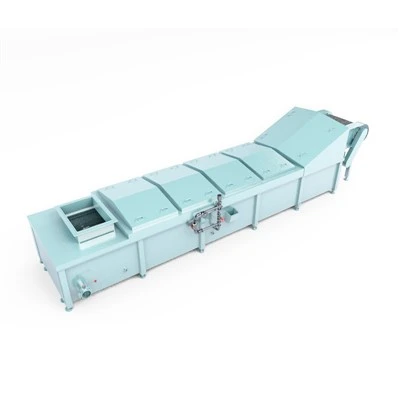
Look, I get it—running a production line is hectic, and it’s easy to stick to what you know instead of adjusting processes. But these mistakes add up fast, whether that’s in wasted product, higher utility bills, or unexpected downtime. A tunnel freezer is a big investment, and taking the time to operate it right pays for itself in no time. If you’re noticing consistent issues with your freezer—waste, high energy bills, inconsistent product freeze—we can help you troubleshoot, adjust settings, or even upgrade your unit if it’s outdated. Don’t let avoidable mistakes eat into your profits. Hit us up to chat more, no pressure, just some straight talk about what works for your operation.
Vibratory Feeder References
- Food and Drug Administration. (2021). Cold Chain Temperature Control for Frozen Food Products. U.S. Department of Health and Human Services.
- International Institute of Ammonia Refrigeration. (2020). Best Practices for Tunnel Freezer Operation and Maintenance. IIAR Technical Bulletin 11.
- USDA Food Safety and Inspection Service. (2019). Freezing Guidelines for Commercial Food Processing. FSIS Commercial Processing Guide.
- Energy Star. (2022). Energy Efficiency Guidelines for Industrial Refrigeration Equipment. U.S. Environmental Protection Agency.
- Smith, J. et al. (2021). Energy Losses in Commercial Tunnel Freezers Due to Poor Airflow Management. Journal of Food Engineering, Vol. 298.
Shaoxing Kanglong Rerrigeration and Fanner Equipment Co., Ltd.
As one of the most professional tunnel freezer manufacturers and suppliers in China, we’re featured by quality products and good service. Please rest assured to wholesale advanced tunnel freezer made in China here from our factory. Also, custom service is available.
Address: No.1,Lide Road,Shangpu Industry
E-mail: info@iqffreezercn.com
WebSite: https://www.iqffreezercn.com/
