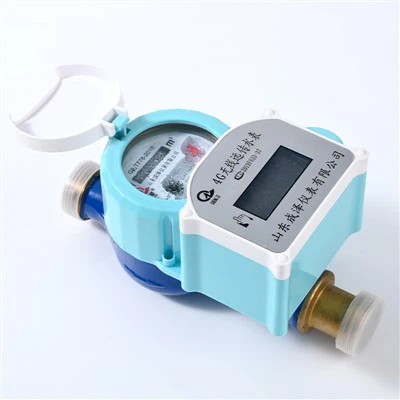
Hey there! I’m a supplier of mechanical water meters, and I’ve been in this business for quite a while. Over the years, I’ve learned a thing or two about what standards these meters need to meet. So, let’s dive right in and talk about it. Mechanical Water Meter
Accuracy
First off, accuracy is super important. A mechanical water meter needs to measure the amount of water passing through it as precisely as possible. No one wants a meter that over – or under – estimates the water usage.
In most countries, there are strict regulations about how accurate a water meter should be. For example, in the United States, the American Water Works Association (AWWA) has set standards for different types of water meters. Residential water meters usually need to have an accuracy of within a certain percentage, say, ±2% under normal operating conditions.
This accuracy is crucial for both consumers and water utilities. Consumers want to be billed fairly for the water they actually use, and water utilities need accurate data to manage their water resources effectively. If a meter is inaccurate, it can lead to disputes between consumers and the utility, and it can also mess up the utility’s planning and resource management.
Durability
Mechanical water meters are often installed in harsh environments. They can be exposed to extreme temperatures, humidity, and even physical damage. So, they need to be durable.
The materials used in the construction of the meter play a big role in its durability. For example, the housing of the meter is usually made of materials like brass or plastic. Brass is a popular choice because it’s strong, corrosion – resistant, and can withstand a fair amount of wear and tear. Plastic is also used, especially for smaller, more cost – effective meters. It’s lightweight and can be molded into various shapes, but it needs to be of high – quality to ensure long – term durability.
The internal components of the meter, such as the gears and the measuring chamber, also need to be made of durable materials. These parts are constantly in motion as water flows through the meter, so they need to be able to handle the mechanical stress without wearing out too quickly.
Flow Range
Another important standard is the flow range. A mechanical water meter should be able to accurately measure water flow over a wide range of rates. For residential use, the flow rate can vary from a slow drip (when a faucet is barely open) to a high – volume flow when multiple appliances are running at the same time.
The meter needs to be designed to handle these different flow rates. If the meter can’t measure low flow rates accurately, it might miss small leaks, which can lead to water waste over time. On the other hand, if it can’t handle high flow rates, it might break or give inaccurate readings when there’s a large volume of water flowing through it.
Leak Detection
Leak detection is becoming an increasingly important standard for mechanical water meters. Water leaks can cause significant damage to properties and waste a large amount of water. A good water meter should be able to detect small leaks.
Some modern mechanical water meters are equipped with sensors that can detect even the slightest changes in water flow. These sensors can send alerts to the consumer or the water utility if a leak is detected. This not only helps in conserving water but also saves consumers from potential water damage and high water bills.
Pressure Resistance
Mechanical water meters need to be able to withstand the water pressure in the system. Water pressure can vary depending on the location and the type of water supply. In some areas, the water pressure can be quite high, especially in high – rise buildings or areas with a large water demand.
The meter should be designed to handle these high pressures without breaking or malfunctioning. This means that the materials and the construction of the meter need to be able to withstand the force exerted by the water under pressure. If a meter fails under high pressure, it can lead to water leakage and other problems.
Ease of Installation and Maintenance
A mechanical water meter should be easy to install and maintain. For installers, it should be straightforward to connect the meter to the water supply system. This means that the meter should have standard connection sizes and be easy to handle.
Maintenance is also important. Over time, the meter may need to be serviced or calibrated. It should be easy to access the internal components for cleaning and repair. If a meter is difficult to install or maintain, it can increase the cost and time required for installation and servicing, which is not good for either the supplier or the consumer.
Compliance with Regulations
In addition to the technical standards, mechanical water meters need to comply with local and international regulations. Different countries and regions have their own sets of rules regarding water meters. These regulations cover aspects such as accuracy, safety, and environmental impact.
For example, in the European Union, water meters need to comply with the Measuring Instruments Directive (MID). This directive sets out the requirements for the design, manufacture, and use of measuring instruments, including water meters. Suppliers need to ensure that their meters meet these regulatory requirements to be able to sell them in the EU market.
Why Choose Our Mechanical Water Meters?
As a supplier, we take pride in offering mechanical water meters that meet all these standards. Our meters are highly accurate, durable, and can handle a wide range of flow rates. We use high – quality materials in the construction of our meters to ensure long – term performance.

Our meters are also easy to install and maintain, which saves you time and money. And of course, we make sure that our products comply with all the relevant regulations, so you can be confident in using them.
Wired Remote Water Meter If you’re in the market for mechanical water meters, whether you’re a water utility, a contractor, or a homeowner, we’d love to talk to you. We can provide you with detailed information about our products and how they can meet your specific needs. So, don’t hesitate to reach out and start a conversation with us. We’re here to help you find the best water meter solution for your situation.
References
- American Water Works Association (AWWA) standards documents
- Measuring Instruments Directive (MID) for the European Union
- Technical literature from leading water meter manufacturers
Shandong Chengze Instrument Co., Ltd.
We’re well-known as one of the leading mechanical water meter manufacturers in China, featured by quality products and good service. Please rest assured to buy high-grade mechanical water meter for sale here from our factory. Also, customized service is available.
Address: No.7, Wensi Road North Industrial Park, Liguan Town, Lanshan District, Linyi City, Shandong Province, China
E-mail: czwatermeter@163.com
WebSite: https://www.cz-watermeter.com/
