When it comes to the construction and maintenance of roads, the choice between self – propelled and towed road machinery is a crucial decision that can significantly impact project efficiency, cost – effectiveness, and overall performance. As a seasoned road machinery supplier, I’ve had the opportunity to witness firsthand the various applications and capabilities of both types of equipment. In this blog post, I’ll delve into the key differences between self – propelled and towed road machinery, shedding light on their unique features, advantages, and limitations. Road Machinery
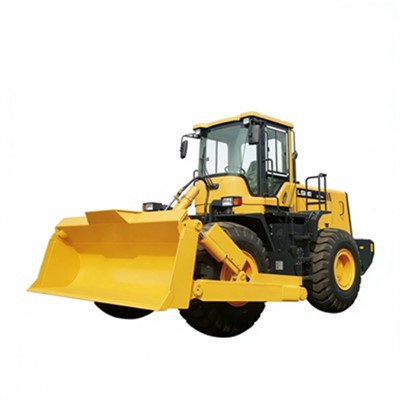
1. Mobility and Maneuverability
One of the most apparent differences between self – propelled and towed road machinery lies in their mobility. Self – propelled road machinery, as the name suggests, is equipped with its own power source and propulsion system, allowing it to move independently without the need for an external towing vehicle. This inherent mobility gives self – propelled machines a significant edge in terms of maneuverability, as they can easily navigate through construction sites, turn in tight spaces, and quickly adjust their position according to the job requirements.
For example, self – propelled pavers can smoothly move along the road surface, precisely controlling the speed and direction of the paving process. They can start and stop quickly, making them ideal for projects that require frequent changes in paving patterns or for working in areas with complex geometries. In contrast, towed pavers rely on a tractor or other towing vehicle to move. While they can be effective for large, straight – forward paving projects, their maneuverability is limited by the towing vehicle’s capabilities. Towed pavers may have difficulty making sharp turns or adjusting their position quickly, which can slow down the construction process and reduce efficiency.
Similarly, self – propelled rollers can independently move around the work area, compressing the newly laid asphalt or soil. They can easily change direction and speed, providing more uniform compaction. Towed rollers, on the other hand, need to follow the path of the towing vehicle, which may not always result in the most efficient compaction pattern.
2. Operational Flexibility
Self – propelled road machinery generally offers greater operational flexibility compared to towed equipment. Since self – propelled machines can operate independently, they can be deployed more quickly and easily to different job sites. A self – propelled milling machine, for instance, can be driven directly to the location where road surface removal is required, eliminating the need for additional transportation arrangements. This is especially beneficial for emergency repair projects or when working on multiple small – scale jobs in different areas.
Towed road machinery, however, requires a towing vehicle to be transported to the job site. This adds an extra layer of complexity and time to the mobilization process. Moreover, if the towing vehicle breaks down or is otherwise unavailable, the towed machinery becomes immobile and unable to perform its intended function.
In terms of operation, self – propelled machines often come with advanced control systems that allow operators to fine – tune various parameters, such as speed, pressure, and depth. These features enable more precise and efficient operation, especially for tasks that demand high levels of accuracy, like laying curbs or performing micro – milling on a road surface. Towed machines, while they can also be equipped with some controls, may not offer the same level of sophistication and adjustment options as their self – propelled counterparts.
3. Cost Considerations
Cost is an important factor when choosing between self – propelled and towed road machinery. Self – propelled machines typically have a higher upfront cost compared to towed equipment. This is because they incorporate a more complex design, including an engine, transmission, and drive system. The self – propulsion mechanism adds to the manufacturing cost, making self – propelled machines generally more expensive to purchase.
However, when looking at the long – term cost, self – propelled machinery can sometimes be more cost – effective. Since they can operate independently, they require less support equipment, such as towing vehicles. This reduces the overall equipment acquisition cost and the associated maintenance and operating costs of the additional vehicles. Additionally, the greater efficiency and productivity of self – propelled machines can lead to shorter project completion times, which can result in significant savings in labor and other project – related expenses.
Towed road machinery is more affordable upfront, making it an attractive option for contractors with budget constraints or those who only need to perform basic road construction tasks. Nevertheless, the cost of operating a towing vehicle, including fuel, maintenance, and insurance, should be factored into the overall cost analysis.
4. Maintenance and Service Requirements
Self – propelled road machinery has a more complex mechanical system due to its self – propulsion feature. This means that the maintenance and service requirements for self – propelled machines are generally more extensive and sophisticated. The engine, transmission, and drivetrain components need regular check – ups, oil changes, and tune – ups to ensure optimal performance. In addition, self – propelled machines often have more electronic control systems, which may require specialized diagnostic equipment and trained technicians for troubleshooting and repairs.
On the other hand, towed road machinery has a relatively simpler mechanical structure. Since it does not have a self – propulsion system, there are fewer components that require maintenance. However, the towing vehicle still needs to be properly maintained, and the connection between the towed machine and the towing vehicle also needs to be inspected regularly to ensure safe and reliable operation.
5. Application Suitability
The choice between self – propelled and towed road machinery also depends on the specific application requirements. Self – propelled machines are often the preferred choice for large – scale, complex road construction projects. Their high mobility, operational flexibility, and advanced control systems make them well – suited for tasks such as building highways, airports, and urban roads. For example, a self – propelled slipform paver can be used to construct concrete pavements with high precision and efficiency, creating smooth and durable road surfaces.
Towed road machinery, meanwhile, is commonly used for smaller – scale projects or for tasks that do not require a high degree of mobility. Towed graders, for instance, can be used for basic road leveling and grading on rural roads or small construction sites. They are also suitable for applications where the work area is relatively open and straight, allowing the towing vehicle to move the towed machine efficiently.
Conclusion
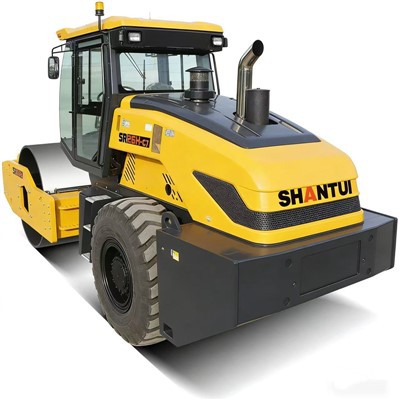
In conclusion, both self – propelled and towed road machinery have their own unique advantages and limitations. Self – propelled road machinery offers superior mobility, operational flexibility, and precision, but comes with a higher upfront cost and more extensive maintenance requirements. Towed road machinery, on the other hand, is more affordable upfront and has simpler maintenance needs, but its mobility and operational flexibility are somewhat restricted.
Second-hand Track-type Excavator As a road machinery supplier, I understand that each project has its own specific requirements. Whether you are involved in large – scale infrastructure development or small – scale road maintenance, choosing the right type of machinery is essential for achieving the best results. If you are in the market for road machinery and need expert advice on which type of equipment is most suitable for your project, please don’t hesitate to contact us. We have a wide range of self – propelled and towed road machinery in our inventory, and our experienced team can provide customized solutions to meet your needs. Let’s start a conversation about your project requirements, and I’m confident that we can help you make the most cost – effective and efficient choice for your road construction or maintenance tasks.
References
- Construction Equipment Guide: A comprehensive resource for the construction industry, providing in – depth information on various types of road machinery.
- American Public Works Association (APWA): Publishes research and guidelines on road construction and maintenance, including insights on the use of different types of machinery.
- Caterpillar Inc. Technical Manuals: Offer detailed technical information on the design, operation, and maintenance of road building equipment, both self – propelled and towed.
Liangshan Guanyue Auto Trading Co., Ltd.
As one of the leading road machinery manufacturers and suppliers in China, we warmly welcome you to buy bulk high quality road machinery at low price from our factory. If you have any enquiry about pricelist and quotation, please feel free to email us.
Address: Liangshan County, Jining City, Shandong Province
E-mail: guanyuetruck@gmail.com
WebSite: https://www.gytruck.com/
