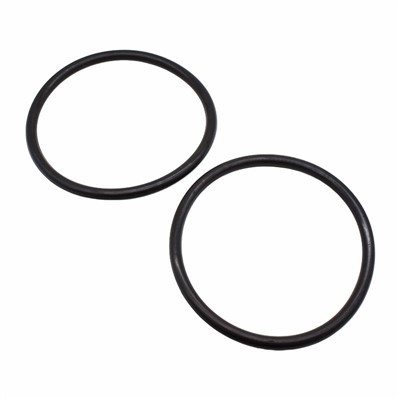
Silicone O-rings are widely used in various industries due to their excellent sealing properties and flexibility. One common question that often arises is whether silicone O-rings are resistant to acid. As a silicone O-ring supplier, I’m here to provide you with a comprehensive answer based on scientific knowledge and real – world experience. Silicone O Ring
Understanding Silicone O – rings
Silicone is a synthetic elastomer known for its unique properties. It has a wide temperature range, good electrical insulation, and excellent resistance to weathering and ozone. Silicone O – rings are commonly used in applications such as automotive, aerospace, and plumbing, where they create a tight seal to prevent the leakage of fluids or gases.
Acid Resistance of Silicone O – rings
The acid resistance of silicone O – rings depends on several factors, including the type of acid, its concentration, temperature, and exposure time.
Weak Acids
Silicone O – rings generally show good resistance to weak acids. For example, acetic acid, which is commonly found in vinegar, has a relatively low corrosive effect on silicone. At room temperature and normal concentrations, silicone O – rings can withstand acetic acid for extended periods without significant degradation. This makes them suitable for use in food – grade applications where acetic acid may be present, such as in the sealing of food containers or beverage dispensers.
Strong Acids
When it comes to strong acids, the situation is more complex. Strong acids like sulfuric acid, hydrochloric acid, and nitric acid can have a significant impact on silicone O – rings. These acids are highly corrosive and can break down the silicone polymer structure over time.
Sulfuric acid, especially at high concentrations and elevated temperatures, can cause the silicone to swell, harden, or even dissolve. The high reactivity of sulfuric acid can attack the silicone’s chemical bonds, leading to a loss of its elastic properties and sealing ability.
Hydrochloric acid also poses a challenge to silicone O – rings. It can cause surface degradation and embrittlement of the silicone, reducing its flexibility and making it more prone to leakage. Nitric acid is another strong oxidizing acid that can react with silicone, resulting in chemical changes and damage to the O – ring.
Influence of Concentration and Temperature
The concentration of the acid plays a crucial role in determining the resistance of silicone O – rings. Higher concentrations of acids are generally more corrosive and can cause more rapid damage to the O – ring. Additionally, temperature has a significant impact on the chemical reactions between the acid and the silicone. As the temperature increases, the reaction rate between the acid and the silicone accelerates, leading to faster degradation.
Testing and Certification
To ensure the acid resistance of our silicone O – rings, we conduct extensive testing. We expose our O – rings to different acids at various concentrations and temperatures for a specified period. After the exposure, we evaluate the O – rings for changes in physical properties such as hardness, volume, and tensile strength.
We also follow industry standards and certifications. For example, some applications may require compliance with FDA regulations for food – grade applications. Our O – rings are tested to meet these standards, ensuring that they are safe for use in contact with food and beverages.
Applications and Considerations
In applications where acid resistance is required, it’s essential to carefully select the appropriate silicone O – ring. For mild acid environments, standard silicone O – rings may be sufficient. However, in harsh acid conditions, such as in chemical processing plants or battery manufacturing, specialized silicone compounds or alternative materials may be necessary.
When selecting a silicone O – ring for acid – resistant applications, it’s important to consider the specific acid involved, its concentration, and the operating temperature. It’s also advisable to consult with our technical experts, who can provide guidance based on your specific requirements.
Case Studies
Let’s look at a few real – world examples to illustrate the acid resistance of silicone O – rings.
In a food processing plant, silicone O – rings are used to seal the connections in a vinegar production line. The O – rings are exposed to acetic acid at a relatively low concentration. Over time, the O – rings maintain their sealing properties and show minimal signs of degradation, ensuring the efficient operation of the production line.
On the other hand, in a chemical laboratory, where strong acids are used, standard silicone O – rings may not be suitable. In such cases, fluorosilicone O – rings, which have better acid resistance, are often used. These O – rings can withstand the harsh chemical environment and provide a reliable seal.
Conclusion
In conclusion, the acid resistance of silicone O – rings is variable and depends on multiple factors. While they offer good resistance to weak acids, they may not be suitable for use in strong acid environments without proper consideration. As a silicone O – ring supplier, we are committed to providing high – quality products and technical support to our customers.
Rubber Buffer If you are in need of silicone O – rings for applications involving acids, we encourage you to reach out to us. Our team of experts can help you select the most appropriate O – ring based on your specific requirements. We understand the importance of a reliable seal in your operations, and we are here to ensure that you get the best product for your needs. Contact us today to discuss your silicone O – ring requirements and start a fruitful business partnership.
References
- "Elastomers and Rubber Compounding Materials" by Werner Hofmann
- "Handbook of Seal Materials" by Robert S. Filler
Haining Chaoyue Seals Co., Ltd.
As one of the most professional silicone o ring manufacturers and suppliers in China, we offer a wide range of products with superior quality. Please feel free to wholesale high quality silicone o ring made in China here from our factory. Also, custom service is available.
Address: Building 9, 158 Lianhong Road, Yuanhua Town, Jiaxing, Zhejiang, China.
E-mail: chaoyue@cyseals.com
WebSite: https://www.hncyseal.com/
