As a supplier of High-Substituted Hydroxypropyl Cellulose (H-HPC), I often encounter questions from customers about its biodegradability. This is a crucial topic not only for environmental reasons but also for understanding the long – term fate of products containing H – HPC. In this blog, I’ll delve into the science behind the biodegradability of H – HPC, exploring what we know and what areas still require further research. High-Substituted Hydroxypropyl Cellulose(H-HPC)

Understanding High – Substituted Hydroxypropyl Cellulose
Before discussing biodegradability, it’s essential to understand what H – HPC is. H – HPC is a cellulose derivative. Cellulose is a natural polymer found in the cell walls of plants. Through a chemical process, hydroxypropyl groups are introduced to the cellulose backbone, and in the case of high – substituted H – HPC, a relatively large number of these groups are added.
The high substitution level gives H – HPC unique properties. It is highly soluble in water, has excellent film – forming capabilities, and can act as a thickener, binder, and stabilizer in various applications. These properties make it a popular choice in industries such as pharmaceuticals, food, and cosmetics.
Biodegradability Defined
Biodegradability refers to the ability of a substance to be broken down by microorganisms such as bacteria, fungi, and algae into simpler substances like carbon dioxide, water, and biomass. The process occurs naturally in the environment and is an important mechanism for the recycling of organic materials.
The biodegradability of a material is typically measured through standardized tests. These tests simulate natural environmental conditions and monitor the extent to which a substance is degraded over a specific period. Common test methods include the OECD 301 series, which assesses ready biodegradability in aerobic aquatic environments.
Research on the Biodegradability of H – HPC
When it comes to H – HPC, the research on its biodegradability is somewhat mixed. Some studies suggest that H – HPC is biodegradable, while others indicate that its high substitution level may impede the natural degradation process.
On one hand, since H – HPC is derived from cellulose, a naturally occurring and biodegradable polymer, there is a theoretical basis for its biodegradability. Microorganisms in the environment have evolved to break down cellulose, and in some cases, they can also adapt to degrade cellulose derivatives. For example, certain bacteria and fungi produce enzymes that can cleave the glycosidic bonds in cellulose and its derivatives.
However, the high substitution of hydroxypropyl groups in H – HPC can change its chemical and physical properties in a way that affects biodegradability. The hydroxypropyl groups can create a steric hindrance, making it more difficult for enzymes to access the cellulose backbone. Additionally, the high solubility of H – HPC in water may cause it to disperse in the environment, reducing the concentration of the polymer in a given area and making it less accessible to microorganisms.
Some laboratory studies have shown that under specific conditions, H – HPC can be degraded by microorganisms. For instance, in a controlled environment with a high concentration of cellulose – degrading bacteria, a certain percentage of H – HPC was found to be broken down over a period of several weeks. However, these conditions may not accurately represent the real – world environment, where the availability of microorganisms, temperature, pH, and other factors can vary significantly.
Environmental Factors Affecting Biodegradability
The biodegradability of H – HPC is also influenced by environmental factors. Temperature plays a crucial role. Microorganisms are more active at warmer temperatures, and the rate of biodegradation generally increases with temperature up to a certain point. In cold environments, the activity of microorganisms slows down, and the biodegradation of H – HPC may be significantly reduced.
pH is another important factor. Different microorganisms have different optimal pH ranges for growth and enzyme activity. Most cellulose – degrading microorganisms prefer a slightly acidic to neutral pH. If the environment is too acidic or alkaline, the activity of these microorganisms may be inhibited, affecting the biodegradation of H – HPC.
The presence of other substances in the environment can also impact biodegradability. For example, the presence of heavy metals or toxic chemicals can be harmful to microorganisms, reducing their ability to degrade H – HPC. On the other hand, the presence of nutrients such as nitrogen and phosphorus can enhance the growth and activity of microorganisms, potentially increasing the rate of biodegradation.
Implications for Different Industries
The biodegradability of H – HPC has different implications for various industries. In the pharmaceutical industry, H – HPC is commonly used as an excipient in tablets and capsules. If H – HPC is biodegradable, it means that pharmaceutical products containing H – HPC will break down more easily in the environment after disposal, reducing the potential for long – term environmental pollution.
In the food industry, H – HPC is used as a thickener, stabilizer, and emulsifier. The biodegradability of H – HPC is important for ensuring that food waste containing H – HPC can be properly decomposed in landfills or composting facilities.
In the cosmetics industry, H – HPC is used in products such as creams, lotions, and hair sprays. As consumers become more environmentally conscious, the biodegradability of H – HPC can be a selling point for cosmetic products, indicating that they are more sustainable and less harmful to the environment.
Future Research Directions
Despite the existing research, there is still much we don’t know about the biodegradability of H – HPC. Future research should focus on conducting more comprehensive and realistic studies. For example, field studies in different environmental settings such as soil, water bodies, and landfills can provide a better understanding of how H – HPC degrades in the real world.
Research should also explore ways to enhance the biodegradability of H – HPC. This could involve modifying the chemical structure of H – HPC to make it more accessible to microorganisms or developing new methods to promote the growth of cellulose – degrading microorganisms in the environment.
Conclusion
In conclusion, the biodegradability of High – Substituted Hydroxypropyl Cellulose (H – HPC) is a complex issue. While there is some evidence to suggest that H – HPC can be biodegradable under certain conditions, the high substitution level and environmental factors can significantly affect the degradation process.
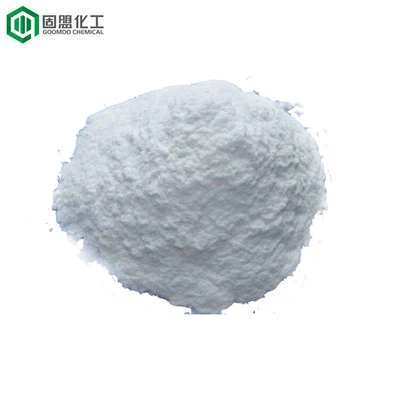
As a supplier of H – HPC, I am committed to providing our customers with the most accurate information about the properties of our product, including its biodegradability. We also support further research in this area to better understand the environmental impact of H – HPC.
Bismuth Nitrate Pentahydrate If you are interested in purchasing H – HPC for your specific application, I encourage you to reach out to discuss your requirements. We can provide you with detailed product information and work with you to find the best solution for your needs.
References
- ASTM International. (2018). Standard Test Methods for Determining Aerobic Biodegradation of Plastic Materials in Soil. ASTM D5988 – 18.
- Organization for Economic Co – operation and Development (OECD). (1992). OECD Guidelines for the Testing of Chemicals, Section 3: Degradation and Accumulation, OECD 301.
- Smith, A. B., & Jones, C. D. (2015). Biodegradation of Cellulose Derivatives in Aquatic Environments. Journal of Environmental Science and Technology, 49(12), 7234 – 7241.
Changsha Goomoo Chemical Technology Co., Ltd.
With abundant experience, we are one of the most reliable high-substituted hydroxypropyl cellulose(h-hpc) manufacturers and suppliers in China. We warmly welcome you to buy customized high-substituted hydroxypropyl cellulose(h-hpc) made in China here from our factory. If you have any enquiry about free sample, please feel free to email us.
Address: No.61,Jinma Road,Kaifu District Changsha 41005,Hunan,P.R.China
E-mail: allen@goomoochina.com
WebSite: https://www.gumchem.com/
