Hey there! I’m a supplier of mechanical parts, and I’ve been in this business for quite a while. Over the years, I’ve seen firsthand how important it is to handle mechanical parts safely. In this blog post, I’m gonna share with you some key safety considerations that you should keep in mind when dealing with mechanical parts. Mechanical Parts
Personal Protective Equipment (PPE)
First off, let’s talk about personal protective equipment, or PPE for short. This stuff is like your armor when you’re working with mechanical parts. You gotta wear the right gear to protect yourself from potential hazards.
Gloves are a must – have. They can protect your hands from cuts, abrasions, and chemical exposure. For example, when you’re handling sharp edges on metal parts or when you’re dealing with parts that have been treated with chemicals, a good pair of gloves will keep your hands safe. There are different types of gloves for different purposes, like cut – resistant gloves for sharp objects and chemical – resistant gloves for handling parts that may have been painted or treated with solvents.
Eye protection is another crucial thing. Bits of metal, debris, or even tiny particles can fly into your eyes when you’re handling, cleaning, or assembling mechanical parts. Wearing safety glasses or goggles will shield your eyes from these hazards. I’ve seen too many cases where people got eye injuries just because they didn’t bother to put on the right eye protection. It’s so easy to do, and it can save you from a lot of pain and potential long – term damage.
Depending on the job, you might also need to wear a hard hat. If you’re working in an area where there’s a risk of heavy parts falling or where you might bump your head on something, a hard hat is essential. It can protect your head from serious injuries, and it’s a small price to pay for your safety.
Workplace Safety
The workplace environment plays a huge role in handling mechanical parts safely. Your workspace should be clean, organized, and well – lit. Having a cluttered workspace can lead to accidents. You might trip over parts lying around or have trouble finding the right tools, which can cause delays and increase the risk of mistakes.
Keep your workbench clean and free of debris. After you’re done working on a part, clean up any chips, shavings, or other waste. This not only makes the workspace safer but also helps to keep the parts themselves clean. Dirt and debris on mechanical parts can affect their performance and even cause premature wear and tear.
Proper ventilation is important too. If you’re working with solvents, paints, or other chemicals when handling mechanical parts, good ventilation will help to remove any harmful fumes. You don’t want to breathe in those toxic fumes, as they can cause all sorts of health problems, from minor irritation to serious long – term illnesses.
Make sure your tools are in good condition. Faulty tools can be dangerous. Check your wrenches, screwdrivers, and other tools regularly for signs of wear or damage. A loose handle on a wrench can cause it to slip, and that could lead to a hand injury or damage to the part you’re working on.
Handling and Storage
When it comes to handling mechanical parts, there are some basic rules to follow. First of all, lift heavy parts properly. Use your legs, not your back. Bending over and trying to lift a heavy part with your back can lead to serious back injuries. If a part is too heavy for you to lift alone, get some help or use lifting equipment like hoists or cranes.
Be careful when moving parts around. Don’t drag them on rough surfaces, as this can scratch or damage them. You might use a trolley or a cart to move the parts safely, especially if they’re large or heavy.
Storage of mechanical parts is also crucial. Store parts in a dry, clean place. Moisture can cause rust and corrosion, which can degrade the quality of the parts. Use proper storage containers, like bins or racks, to keep the parts organized. Label the containers so that you can easily find the parts you need.
If you’re storing sharp or pointed parts, make sure they’re stored in a way that won’t cause injuries. You might use special holders or sheaths to cover the sharp edges.
Handling Electrical Components (if applicable)
Many mechanical parts are part of electrical systems. If you’re dealing with such parts, you need to be extra careful.
Before you start working on any electrical mechanical parts, make sure the power is disconnected. This is a basic safety rule, but it’s amazing how many people forget it. Working on live electrical parts can lead to electric shocks, which can be fatal.
Use insulated tools when working on electrical components. These tools are designed to prevent the flow of electricity to your body. You should also wear electrical – rated gloves for an extra layer of protection.
Inspection and Maintenance
Regular inspection and maintenance of mechanical parts are important for safety. Before you use a part, inspect it for any signs of damage, such as cracks, dents, or excessive wear. Using a damaged part can lead to equipment failure and accidents.
If you notice any problems during the inspection, don’t use the part. Mark it for repair or replacement. And when it comes to maintenance, follow the manufacturer’s recommendations. This might include lubricating moving parts at regular intervals, tightening loose bolts, or replacing worn – out components.
Chemical Safety
If you’re using chemicals to clean, paint, or treat mechanical parts, you need to handle them safely. Always read the labels on the chemical containers carefully. They’ll tell you about the proper handling procedures, storage requirements, and what to do in case of an accident.
Use chemicals in a well – ventilated area, as I mentioned earlier. Wear appropriate PPE, like chemical – resistant gloves and goggles. If a chemical spills, clean it up immediately. Follow the proper disposal procedures for chemicals, too. You can’t just pour them down the drain or throw them in the trash.
Training and Education
Make sure everyone who handles mechanical parts is properly trained. This includes not only the handling techniques but also the safety procedures. Training should be ongoing, as new safety regulations and best practices come out all the time.
Encourage your workers to ask questions if they’re not sure about something. A culture of safety starts with open communication. You can also hold safety meetings regularly to discuss safety issues and share any new information.
Alright, so those are some of the main safety considerations when handling mechanical parts. As a mechanical parts supplier, I know how important it is to get this right. Safety not only protects the people handling the parts but also ensures the quality and performance of the parts themselves.
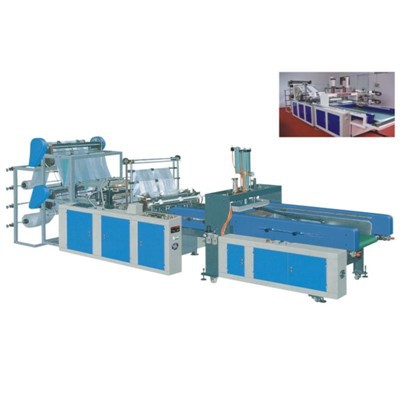
Bag Making Machine If you’re in the market for high – quality mechanical parts and want to work with a supplier who understands safety as well as product quality, I’d love to have a chat with you. Whether you have questions about our products, need advice on handling them safely, or are ready to place an order, don’t hesitate to reach out. Let’s work together to make your projects a success while keeping safety at the forefront.
References
- "Safety Handbook for Mechanical Workers", Industry Safety Press
- "Best Practices in Handling Mechanical Components", Manufacturing Safety Journal
- "Chemical Safety in Mechanical Part Manufacturing", Chemical Safety Institute Publications
Ruian Huawei Machinery Co., Ltd.
As one of the most professional mechanical parts suppliers in China, we’re featured by quality products and low price. Please rest assured to buy discount mechanical parts made in China here from our factory. Also, quotation is available.
Address: No. 1, Building 2, Jingye Road, Dongshan Street, Rui’an City, Zhejiang Province
E-mail: 13695753569@163.com
WebSite: https://www.hw-machines.com/
