Alrighty folks, I’m here as a gear pump supplier to chat about one of the most commonly asked questions: what’s the power consumption of a gear pump? You know, it’s a question that comes up again and again, and it’s super important whether you’re just curious or planning to make a purchase. Gear Pump
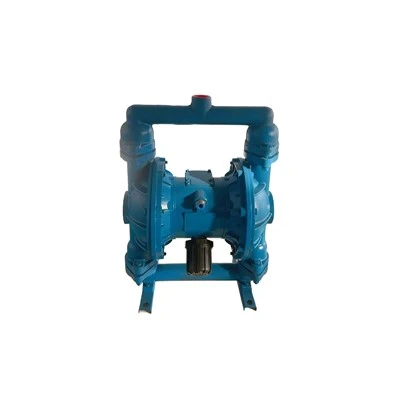
First off, let’s get a basic understanding of how a gear pump works. It’s a type of positive – displacement pump. There are two gears inside the pump housing. One is the driving gear, and the other is the driven gear. When the driving gear rotates, it meshes with the driven gear, and they create chambers. As the gears turn, these chambers expand at the inlet side, sucking in fluid. Then, when the gears mesh again further along, the chambers shrink, forcing the fluid out at the outlet side.
Now, several factors play a role in determining the power consumption of a gear pump.
The first big one is the flow rate. Flow rate is basically how much fluid the pump can move in a given time. It’s usually measured in gallons per minute (GPM) or liters per minute. You see, the higher the flow rate you need, the more power the pump has to use. Think of it like pushing more water through a pipe in the same amount of time. You’ve got to put in more muscle (or in this case, electrical power) to get that extra water moving. If you’re using a gear pump in a small – scale operation, like a home – brewing setup where you only need a slow and steady flow, the power consumption will be relatively low. But if you’re in an industrial setting, say a large oil – refinery where they need to move huge volumes of oil every minute, the pump will have to work much harder, and thus, consume more power.
Next up is the pressure. Pressure is the force the pump has to apply to move the fluid through the system. The higher the pressure you need, the more power the pump is going to use. It’s like trying to blow up a really thick balloon. It takes a lot more effort to get it inflated compared to a thin, normal balloon. In a gear – pump system, if you’re pumping fluid through a long, narrow pipe with a lot of bends or restrictions, you’re going to need a higher pressure to keep the fluid flowing. And this increased pressure requirement means more power consumption.
The type of fluid being pumped also matters a great deal. Fluids have different viscosities. Viscosity is a measure of a fluid’s resistance to flow. For example, honey is highly viscous, while water is not. If you’re using a gear pump to move a high – viscosity fluid, the pump has to work harder to make it flow. More energy is needed to overcome the internal friction of the fluid. So, pumping oil, which is much more viscous than water, will generally result in higher power consumption.
And then there’s the efficiency of the pump itself. Different gear pumps have different levels of efficiency. An efficient pump is like a well – tuned sports car. It can do more work with less fuel. A high – efficiency gear pump will convert a larger percentage of the input power into useful work, which means it uses less power overall. On the other hand, an inefficient pump will waste a lot of power as heat or in other non – useful forms. When choosing a gear pump, it’s always a good idea to look for models with high efficiency ratings.
Let’s talk about how we can calculate the power consumption of a gear pump. There’s a basic formula that we can use. The power (P) in watts is equal to the pressure (Pascal) times the flow rate (cubic meters per second) divided by the pump efficiency. Now, I know that might sound a bit complicated, but there are online calculators available that make it a whole lot easier. You just need to input the values for pressure, flow rate, and efficiency, and the calculator will give you an estimate of the power consumption.
But here’s the thing, in real – world applications, the calculated power consumption might not be exactly what you get. There are always some losses due to things like mechanical friction in the pump bearings, leakage in the pump housing, and electrical losses in the motor that drives the pump.
So, why should you care about the power consumption of a gear pump? Well, for starters, power consumption directly affects your operating costs. If you’re running a business that uses gear pumps, high power consumption means higher electricity bills. And over time, those costs can really add up. It’s also important from an environmental perspective. Using less power means reducing your carbon footprint.
As a gear pump supplier, I’ve seen a lot of customers who are looking for pumps that can offer a good balance between performance and power consumption. They want pumps that can move the right amount of fluid at the right pressure while using as little power as possible. That’s where we come in. We offer a wide range of gear pumps, each designed with different flow rates, pressure capabilities, and efficiency levels.
Whether you’re in the food and beverage industry, where you need to pump viscous liquids like syrups, or in the chemical industry, where you’re handling corrosive fluids, we’ve got a pump that can meet your needs. Our R & D team is constantly working on improving the efficiency of our pumps. We’re using new materials and better manufacturing techniques to reduce internal friction and leakage, which in turn helps to lower power consumption.
In addition to having efficient pumps, we also provide excellent customer service. Our team of experts can help you choose the right pump for your specific application. We’ll take into account factors like the type of fluid, the required flow rate, and the pressure, and then recommend the most suitable pump. We can also assist you with installation and maintenance, making sure that your pump runs smoothly and efficiently for a long time.
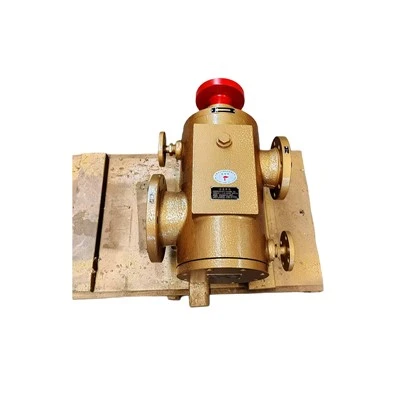
If you’re in the market for a gear pump and you’re concerned about power consumption, don’t hesitate to reach out to us. We’re here to help you find the best solution for your needs. Whether you’re a small business owner or managing a large industrial operation, we’ve got the knowledge and the products to make your pumping process more efficient and cost – effective. Say goodbye to high power bills and hello to reliable, energy – efficient gear pumps.
Diaphragm Pump References
- "Pump Handbook" by Igor J. Karassik
Botou Hengyang Pump & Valve Co., Ltd.
With abundant experience, we are one of the most professional gear pump manufacturers and suppliers in China. Please feel free to buy high standard gear pump made in China here and get pricelist from our factory. All customized pumps are with high quality and competitive price.
Address: No. 159, Road 1, Development Zone, Botou City, Cangzhou, Hebei Province, China
E-mail: bthdbf@163.com
WebSite: https://www.hyoilp.com/
