Hey there! As a supplier of guanidine biocides, I’ve been asked a bunch of times about how these nifty little chemicals interact with the cell membranes of microorganisms. So, I thought I’d take a stab at explaining it in a way that’s easy to understand, even if you’re not a science whiz. Guanidine Biocides
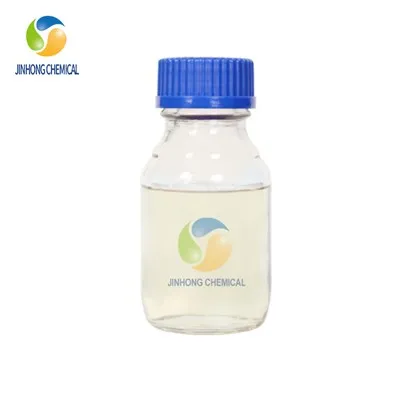
First off, let’s talk about what guanidine biocides are. They’re a type of disinfectant and antimicrobial agent that are used in a whole bunch of different applications, from healthcare settings to food processing plants. They’re known for being really effective at killing a wide range of microorganisms, including bacteria, fungi, and viruses.
Now, onto the main event: how do guanidine biocides interact with the cell membranes of microorganisms? Well, it all comes down to the structure of the guanidine molecule. Guanidine has a positively charged group called a guanidinium group, which is attracted to the negatively charged surface of the cell membrane. When the guanidine biocide comes into contact with the cell membrane, the guanidinium group binds to the membrane, causing it to become disrupted.
One of the ways that the guanidine biocide disrupts the cell membrane is by increasing its permeability. The cell membrane is like a gatekeeper, controlling what goes in and out of the cell. When the guanidine biocide binds to the membrane, it creates holes or pores in the membrane, allowing things to leak in and out of the cell. This can cause a whole bunch of problems for the microorganism, including the loss of essential nutrients and the entry of toxic substances.
Another way that the guanidine biocide disrupts the cell membrane is by altering its fluidity. The cell membrane is made up of a lipid bilayer, which is like a double layer of fat. The guanidine biocide can insert itself into the lipid bilayer, causing it to become more rigid or less fluid. This can affect the function of the membrane proteins, which are responsible for a whole bunch of important processes, like transporting molecules across the membrane and sending signals to the inside of the cell.
In addition to disrupting the cell membrane, guanidine biocides can also interact with other components of the microorganism, like the DNA and proteins. The guanidinium group can bind to the negatively charged phosphate groups in the DNA, causing it to become damaged or degraded. This can prevent the microorganism from replicating and spreading.
So, that’s the basic idea of how guanidine biocides interact with the cell membranes of microorganisms. But it’s important to note that the exact mechanism of action can vary depending on the type of microorganism and the specific guanidine biocide that’s being used. Some guanidine biocides may have a more direct effect on the cell membrane, while others may work by interfering with other cellular processes.
Now, let’s talk about why this is important. Understanding how guanidine biocides interact with the cell membranes of microorganisms is crucial for developing effective disinfectants and antimicrobial agents. By knowing how these chemicals work, we can design them to be more targeted and more effective at killing specific types of microorganisms. This can help to reduce the spread of infections and improve public health.
As a supplier of guanidine biocides, I’m really excited about the potential of these chemicals to make a difference in the world. Not only are they effective at killing microorganisms, but they’re also relatively safe and easy to use. They’re non-toxic to humans and animals when used as directed, and they don’t leave behind any harmful residues.
If you’re in the market for a high-quality guanidine biocide, I’d love to talk to you. I can help you find the right product for your specific needs and answer any questions you may have. Whether you’re a healthcare provider, a food processor, or just looking for a way to keep your home or workplace clean and safe, I’m here to help.
So, don’t hesitate to reach out and get in touch. Let’s work together to make the world a cleaner, healthier place!
Fabric Antimicrobial References:
- Russell, A. D. (2002). Mechanisms of action of antibacterial agents. Journal of Antimicrobial Chemotherapy, 49(Suppl 1), 3-10.
- McDonnell, G., & Russell, A. D. (1999). Antiseptics and disinfectants: activity, action, and resistance. Clinical Microbiology Reviews, 12(1), 147-179.
- Maillard, J. Y. (2002). Basic mechanisms of antimicrobial action. Journal of Hospital Infection, 52(4), 250-268.
Hebei Jinhong Chemical Co., Ltd.
Hebei Jinhong Chemical Co., Ltd. is one of the most professional guanidine biocides manufacturers and suppliers in China. With abundant experience, we warmly welcome you to wholesale high quality guanidine biocides made in China here and get pricelist from our factory. For price consultation, contact us.
Address: North of Fazhan Road, East of Qingyuan Road, Nanbao Development Zone, Tangshan City, Hebei Province
E-mail: kevin@hbjhchemical.com
WebSite: https://www.hbjhchemical.com/
