When it comes to protecting your car from the elements, a high – quality car cover is an absolute necessity. As a supplier of car cover fabric, I’ve had the privilege of exploring and dealing with a wide variety of materials. Each type of fabric has its unique characteristics, advantages, and ideal use – cases. In this blog, I will delve into the different types of car cover fabric, and why you should choose one over the other based on your specific needs. Car Cover Fabric
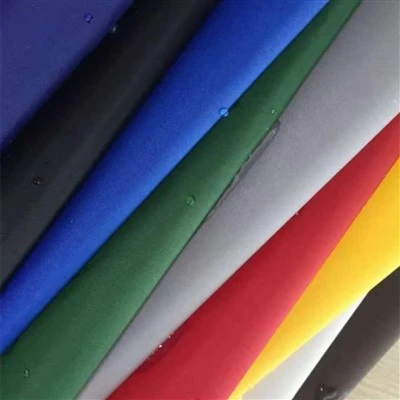
Polyethylene (PE) Fabric
Polyethylene fabric is a popular choice for many car owners due to its affordability and basic protective features. It is a plastic – based material that offers excellent water – resistance. When it’s raining, snowing, or the car is parked in a damp area, a PE car cover will keep the water off the vehicle’s surface.
One of the key advantages of PE fabric is its lightweight nature. It is easy to handle, which means you can quickly put it on or take it off your car. This is especially useful if you need to cover and uncover your car frequently. Another benefit is its resistance to mildew. Since it repels water so well, there’s less chance of moisture building up and leading to mold growth.
However, PE fabric has its limitations. It may not be the best option for long – term outdoor storage. The material is not very breathable, which can cause condensation to form inside the cover. Over time, this can lead to rust and other damage to the car’s paint and metal parts. Also, it is not as durable as some other fabrics, and may tear or wear out more easily, especially if it’s exposed to sharp objects or rough handling.
Polypropylene (PP) Fabric
Polypropylene fabric shares some similarities with polyethylene. It is also a synthetic material, and it offers good water – resistance. PP fabric is often used in car covers because it is relatively inexpensive and can provide a basic level of protection.
One of the unique features of polypropylene is its resistance to UV radiation. This means that if your car is parked outdoors for extended periods, a PP car cover can help prevent the sun’s rays from fading the paint. Additionally, it is a strong fabric that can withstand moderate wear and tear. It is more durable than polyethylene in some aspects, and less likely to tear or rip.
On the downside, like PE fabric, it is not very breathable. The lack of breathability can still cause problems with condensation. Moreover, extreme temperatures can affect the performance of PP fabric. In very hot weather, it may become brittle, and in very cold weather, it may lose some of its flexibility.
Non – woven Polyester Fabric
Non – woven polyester fabric is a step up in terms of quality compared to PE and PP fabrics. It is made by bonding polyester fibers together, which gives it a dense and durable structure.
This type of fabric offers excellent protection against dust, dirt, and debris. The tight weave prevents even the smallest particles from reaching the car’s surface. It is also relatively water – resistant, although it may not be completely waterproof. However, it is much more breathable than polyethylene or polypropylene. The breathability helps to reduce the risk of condensation and moisture – related damage.
Non – woven polyester is also known for its softness. It won’t scratch or damage the car’s paint, making it a great choice for luxury or high – end vehicles. Additionally, it is resistant to stretching and shrinking, which means it will maintain its shape and fit over time.
One disadvantage is that it is more expensive than PE and PP fabrics. However, the added protection and durability make it a worthwhile investment for those who want to ensure their cars are well – protected.
Woven Polyester Fabric
Woven polyester fabric is another popular choice for car covers. It is made by weaving polyester fibers together, creating a strong and tight – knit material.
This fabric provides outstanding durability. It can withstand harsh weather conditions, including high winds, heavy rain, and snow. The tight weave also offers excellent protection against UV rays, preventing the car’s paint from fading. Unlike non – woven polyester, woven polyester is often treated to be completely waterproof, making it ideal for long – term outdoor storage.
Woven polyester is also very resistant to abrasion. It can handle being rubbed against fences, branches, or other objects without tearing or wearing out. This makes it suitable for cars that are parked in areas where there is a risk of physical damage.
However, woven polyester is heavier than non – woven polyester. It can be a bit more difficult to handle, especially if you need to cover and uncover the car frequently. It is also more expensive, but considering its long – term durability and protection, many car owners find it to be a valuable investment.
Cotton Fabric
Cotton is a natural fabric that has been used for car covers for a long time. It offers a soft and gentle protection for the car’s paint.
One of the main advantages of cotton is its breathability. It allows air to circulate freely around the car, preventing condensation and moisture – related problems. It is also very absorbent, which means it can soak up any moisture that comes into contact with the cover, rather than letting it sit on the car’s surface.
Moreover, cotton is biodegradable, which makes it an environmentally friendly choice. It is soft and won’t scratch the car, even on the most sensitive paint finishes.
On the other hand, cotton is not very water – resistant. If it’s exposed to heavy rain or snow, it will become saturated and may not effectively protect the car. It is also more prone to mildew and mold growth if it stays wet for too long. Additionally, cotton is not as durable as some synthetic fabrics, and may require more frequent replacement.
Combination Fabrics
In recent years, combination fabrics have become increasingly popular. These fabrics combine the best features of different materials to create a car cover that offers superior protection.
For example, a car cover may have a outer layer of waterproof synthetic fabric, such as polyethylene or woven polyester, and an inner layer of breathable non – woven polyester or cotton. This way, the cover can keep water out while still allowing air to circulate and prevent condensation.
Combination fabrics can also be designed to provide protection against different types of threats. For instance, some may have a UV – resistant layer on the outside to shield the car from the sun, and a soft, scratch – free layer on the inside to protect the paint.
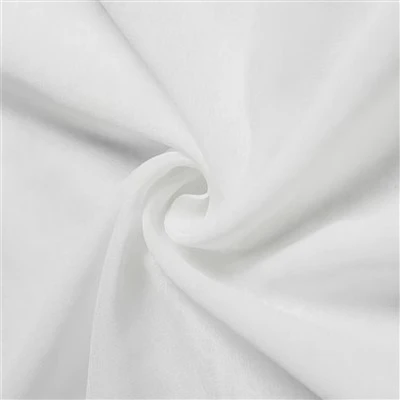
The only drawback of combination fabrics is that they are usually more expensive than single – material fabrics. But they offer a comprehensive solution for car protection, making them a great choice for those who want the best for their vehicles.
Poncho Fabric As a car cover fabric supplier, I understand that each customer has different needs. Whether you’re looking for an affordable, basic cover for occasional use, or a high – end, long – lasting cover for long – term storage, there is a fabric type that will suit your requirements. If you’re in the market for car cover fabric, don’t hesitate to reach out for a consultation. We can help you select the perfect fabric based on your car’s make and model, your local climate, and your budget. Let’s start a conversation to find the best solution for your car protection needs.
References
- Automotive Fabrics: Technical and Performance – related Aspects. A collection of research papers on different automotive fabrics, including those used for car covers.
- Textile Materials for Automotive Applications. A book that details the properties and uses of various textile materials in the automotive industry.
Wujiang Jiashunxin Spray Weaving Co., Ltd.
As one of the most professional car cover fabric manufacturers and suppliers in China, we’re featured by quality products and good service. We warmly welcome you to wholesale bulk customized car cover fabric from our factory. If you have any enquiry about free sample, please feel free to email us.
Address: Xingli New Village, Lili Town, Wujiang District, Suzhou City, Jiangsu Province
E-mail: xuzhiqiang20260525@163.com
WebSite: https://www.shunbangfabric.com/
