Hey everyone! I’m in the frozen pastries game, and today, I wanna chat about a common question people often ask: Do frozen pastries have a high fat content? Frozen Pastries
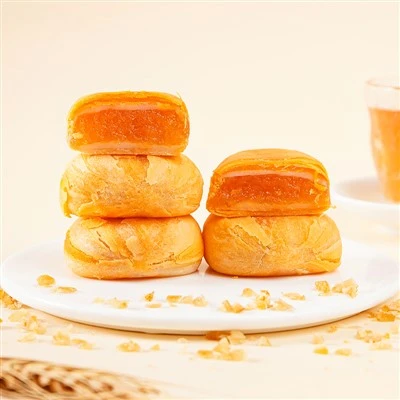
The Fat Fact and How It’s Made
Let’s start by diving into what exactly goes into making frozen pastries. You see, fat is a key ingredient in the pastry-making process. In traditional recipes used for frozen pastries, we often rely on fats like butter, margarine, or shortening. Why? Well, fat plays a few crucial roles.
One of the main functions of fat in pastries is to create that lovely flaky texture we all love. When you take a bite of a buttery croissant or a flaky pie crust, you’re experiencing the magic of fat. During the baking process, the fat melts, creating layers between the dough, which results in that delicate, flaky texture. Without it, pastries would be more like dense bread, and let’s be real, that’s not what we’re aiming for!
However, this means that by nature, frozen pastries can have a relatively high fat content. Butter, for example, is about 80% fat. So, when you’re using butter as a primary fat source in a recipe, it’s going to contribute a significant amount of fat to the final product. Margarine and shortening also contain high levels of fat, although the type of fat can vary.
Different Types of Fat in Frozen Pastries
Now, not all fat is created equal. In frozen pastries, you’ll find a mix of saturated, unsaturated, and sometimes even trans fats.
Saturated fats are typically solid at room temperature and are often found in animal products like butter. While saturated fats can add rich flavor and texture to pastries, too much of it isn’t great for your health. Diets high in saturated fat have been linked to increased cholesterol levels and a higher risk of heart disease.
Unsaturated fats, on the other hand, are generally considered healthier. They can be further divided into monounsaturated and polyunsaturated fats. These types of fats are found in ingredients like olive oil and can have a positive impact on your heart health by helping to lower bad cholesterol levels. Some of our frozen pastries use a blend of oils that include unsaturated fats to try and strike a balance between taste and healthiness.
Then there are trans fats. Trans fats are often created during a process called hydrogenation, which turns liquid oils into solid fats. Trans fats are known to be particularly unhealthy as they can raise bad cholesterol levels and lower good cholesterol levels. In recent years, there has been a push to reduce or eliminate trans fats from food products, including frozen pastries. Many of the frozen pastries on the market today, including ours, are now trans-fat free.
Comparing Fat Levels in Different Frozen Pastries
Not all frozen pastries are created equal when it comes to fat content. For example, a simple frozen muffin might have a lower fat content compared to a buttery croissant. The fat content also depends on the size of the pastry. A small danish is going to have less fat than a large one.
Let’s take a closer look at a few common types of frozen pastries. A standard frozen croissant made with butter can have around 8 – 12 grams of fat per serving. That’s a pretty significant amount, especially if you’re watching your fat intake. On the other hand, a frozen blueberry muffin might have around 5 – 7 grams of fat per serving. Some of our more health-conscious options, like our whole grain frozen scones, have even less fat, usually around 3 – 5 grams per serving.
It’s also important to note that the fat content can vary depending on the brand. Some manufacturers might use more or less fat in their recipes, or they might use different types of fat. That’s why it’s always a good idea to check the nutrition label on the package if you’re concerned about fat.
Health Considerations
So, if frozen pastries do tend to have a relatively high fat content, does that mean you should avoid them altogether? Not necessarily. Moderation is key. Frozen pastries can be a delicious treat every once in a while, but they shouldn’t be a major part of your daily diet.
If you’re someone who is trying to watch their fat intake, but still loves the taste of frozen pastries, there are a few things you can do. Look for pastries that are made with healthier fats, such as those that use olive oil or avocado oil instead of butter or margarine. You can also choose smaller-sized pastries or limit your portion size.
Another option is to pair your frozen pastry with something healthy. For example, have a croissant with a side of fresh fruit or a cup of low-fat yogurt. This way, you’re getting some nutrients along with that delicious pastry.
Our Approach as a Frozen Pastries Supplier
As a supplier of frozen pastries, we’re very aware of the concerns around fat content. That’s why we’re constantly working on ways to make our products healthier without sacrificing taste.
We’ve been experimenting with different recipes to reduce the amount of saturated fat in our pastries. For example, we’ve started using a blend of oils that are high in unsaturated fats in some of our pie crusts and croissants. This not only reduces the saturated fat content but also gives the pastries a slightly different, but still delicious, flavor.
We also offer a range of healthier options. Our whole grain pastries are made with whole wheat flour, which adds fiber and nutrients to the product. These pastries often have a lower fat content compared to our traditional ones. And for those who are looking for a really low-fat option, we have some biscuit-like pastries that are made with minimal fat.
We’re committed to providing our customers with accurate information about the fat content of our products. That’s why all of our packages have clear nutrition labels that tell you exactly how much fat, as well as other nutrients, are in each serving.
Connect with Us
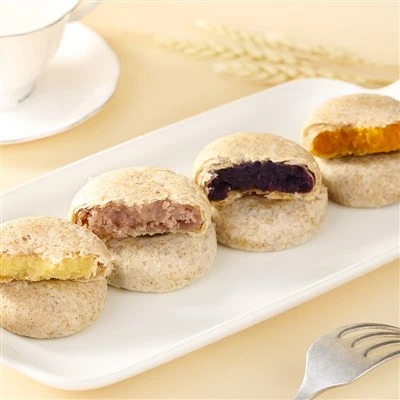
If you’re a retailer, a foodservice provider, or just someone who loves frozen pastries and is interested in our products, we’d love to hear from you. Whether you’re looking for a traditional, high – flavor frozen pastry or a healthier option, we’ve got something to suit your needs.
Frozen Pastries Don’t hesitate to reach out to us about purchasing our frozen pastries. You can talk to our sales team about quantities, pricing, and delivery options. We’re always happy to have a chat and discuss how we can work together to bring the best frozen pastries to your business or your home.
References
- The American Heart Association, Dietary Fats and Your Health
- U.S. Food and Drug Administration, Nutrition Labeling
- Institute of Food Technologists, Fat in Baked Goods: Role and Health Implications
Fujian Luchen Food Co., Ltd.
As one of the most professional frozen pastries manufacturers and suppliers in China since 1986, our products have good reputation in the market. Please feel free to wholesale bulk delicious frozen pastries from our factory. Good service and quality products are available.
Address: No. 19, Shangxipulou, Nansheng Town, Pinghe County, Zhangzhou City, Fujian Province
E-mail: service@xmnahan.com
WebSite: https://www.luchenbakery.com/
