Hey there! I’m a supplier of plant extracts, and I often get asked how one can identify high-quality plant extracts. It’s a crucial question, especially in an industry where the quality can vary widely. In this blog post, I’m going to share some tips and insights based on my years of experience in the business. Plant Extract
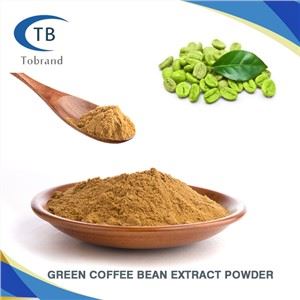
First Things First: Source of the Plants
The quality of a plant extract starts with the source of the plants. It’s like baking a cake – if you use low-quality ingredients, the cake won’t turn out great. When it comes to plant extracts, plants grown in their natural habitats or under optimal conditions are more likely to produce high-quality extracts.
For example, if you’re looking for a ginseng extract, ginseng grown in regions like Korea or China, where the climate and soil are ideal for its growth, is likely to be of better quality. These plants have access to the right nutrients, sunlight, and water, which all contribute to their chemical composition.
Another aspect to consider is the way the plants are cultivated. Organic plants are often a good choice because they’re grown without the use of synthetic pesticides and fertilizers. This means that the extracts made from these plants are less likely to contain harmful residues.
I always make sure to source my plants from reliable farmers and suppliers who follow good agricultural practices. This way, I can be confident in the quality of the raw materials I use to make my extracts.
Extraction Methods Matter
Once the plants are harvested, the next step is the extraction process. There are different methods of extracting the active compounds from plants, and each method can have an impact on the quality of the final extract.
One of the most common extraction methods is solvent extraction. This involves using a solvent, such as ethanol or water, to dissolve the active compounds in the plants. The quality of the solvent used is important. For example, using food-grade ethanol ensures that the extract is safe for consumption.
Another method is supercritical fluid extraction, which uses carbon dioxide under high pressure and temperature to extract the active compounds. This method is often preferred because it’s a clean and efficient way to extract the compounds without leaving any solvent residues.
I’ve experimented with different extraction methods over the years, and I’ve found that a combination of methods often produces the best results. For each type of plant, I choose the method that will extract the maximum amount of active compounds while maintaining their integrity.
Testing and Analysis
Testing and analysis are crucial steps in identifying high-quality plant extracts. A reliable supplier should conduct a series of tests to ensure that the extract meets the required quality standards.
One of the most important tests is the chemical analysis. This involves identifying and quantifying the active compounds in the extract. For example, if you’re buying a green tea extract, you’ll want to know the amount of catechins, which are the main active compounds in green tea.
Microbial testing is also important to ensure that the extract is free from harmful bacteria, fungi, and other microorganisms. This is especially important if the extract is going to be used in food or dietary supplements.
I have a state-of-the-art laboratory where I conduct all these tests on my plant extracts. I also work with independent third-party laboratories to verify the results. This gives my customers the assurance that they’re getting a high-quality product.
Appearance, Odor, and Taste
The appearance, odor, and taste of a plant extract can also give you clues about its quality. A high-quality extract should have a consistent color and appearance. For example, a turmeric extract should have a bright yellow color, and there should be no signs of clumping or discoloration.
The odor of the extract should be characteristic of the plant. If the extract has a foul or off-putting odor, it could be a sign of poor quality or spoilage.
Taste can also be an indicator of quality, especially for extracts that are used in food or beverages. A high-quality extract should have a pleasant taste that’s consistent with the plant. For example, a vanilla extract should have a rich, sweet, and creamy taste.
Of course, appearance, odor, and taste alone aren’t enough to determine the quality of a plant extract, but they can be useful indicators.
Certifications and Standards
Certifications and standards can also help you identify high-quality plant extracts. Look for suppliers who have certifications such as Good Manufacturing Practice (GMP), ISO, or Organic certification. These certifications indicate that the supplier follows strict quality control measures in the production of their extracts.
For example, a GMP certification means that the supplier has a quality management system in place to ensure that the product is consistently produced and controlled according to quality standards.
I’m proud to say that my company has several certifications, including GMP and Organic certification. These certifications give my customers the confidence that they’re buying a high-quality and reliable product.
Reviews and Reputation
Finally, don’t forget to check the reviews and reputation of the supplier. A supplier with a good reputation is more likely to provide high-quality plant extracts. You can check online reviews, ask for referrals from other customers, or look for testimonials on the supplier’s website.
I’ve built my reputation over the years by providing high-quality products and excellent customer service. Many of my customers have been with me for a long time, and they continue to recommend me to others.

In conclusion, identifying high-quality plant extracts requires a combination of factors. From the source of the plants to the extraction methods, testing and analysis, appearance, odor, taste, certifications, and reputation, there are many things to consider.
Sports Supplements If you’re in the market for high-quality plant extracts, I’d love to talk to you. Whether you’re a manufacturer, a retailer, or an individual looking for a natural supplement, I can provide you with the best plant extracts at competitive prices. Just reach out to me, and we can discuss your specific needs. Let’s work together to find the perfect plant extracts for you!
References
- Harborne, J. B. (1998). Phytochemical Methods: A Guide to Modern Techniques of Plant Analysis. Chapman & Hall.
- Bruneton, J. (1999). Pharmacognosy, Phytochemistry, Medicinal Plants. Lavoisier Publishing.
- Murch, S. J., & Saxena, P. K. (2006). Plant cell and tissue culture in pharmaceutical biotechnology. In V. Gupta (Ed.), Integration of Traditional and Modern Medicine for Public Health (pp. 111-132). Springer.
Xi’an Tobrand Group Inc.
As one of the most professional plant extract manufacturers and suppliers in China, we offer a wide range of products with superior quality. Please feel free to buy the best plant extract for sale here from our factory. Good service and reasonable price are available.
Address: Furong New World Building 2 Room 1502, Furong West Road, Yanta District, Xi’an, Shaanxi, China
E-mail: info@tobrandcn.com
WebSite: https://www.to-brandcn.com/
