If you’re working in the energy sector, you know LNG equipment isn’t cheap. Whether you’re a small-scale distro operator, a plant manager, or someone who’s just starting out in the LNG space, the last thing you want is a breakdown on a key piece of gear—especially when you’re already juggling delivery deadlines, regulatory checks, and supply chain kinks. As an LNG equipment supplier, I get this firsthand: I’ve spent years fielding calls from clients panicking because a vaporizer went down mid-run, or a skid mount stopped working before it even hit their site. Most of the panic comes from not fully understanding what your warranty actually covers—and what it doesn’t. So let’s break this down, no jargon, no fine-print tricks, just the real deal on our (and most reputable LNG gear makers’) warranty policies. LNG Equipment
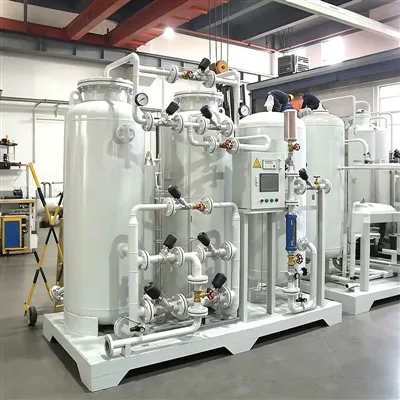
First, let’s start with the basics: what even is an LNG equipment warranty, anyway? It’s not just a “fix if it breaks” promise. For us, it’s a structured commitment that protects you against defects in materials or workmanship for a set period—only when the equipment is used correctly. LNG gear (think cryogenic pumps, storage tanks, vaporizers, transfer skids, all that stuff) operates at super cold temps, so missteps here aren’t just costly—they’re risky. That’s why our warranty has guardrails we can’t bend, and I’ll walk through why those matter before we get into timelines and specifics.
Let’s talk timeline first because that’s usually the first question. For most of our core LNG equipment—like vacuum-jacketed storage tanks and cryogenic transfer pumps—our standard warranty is 18 months from the date of shipment, or 12 months from the date of startup, whichever comes first. Wait, why two timelines? Simple: we’ve had clients take 6 months to get their site prepped after we ship, then another 6 waiting on a custom install team. If we only went by startup, a client could stretch that out to 3 years without us honoring a defect claim. The 18-month window gives us (and you) a fair buffer—enough time to get gear to site and installed, but not so long that wear and tear from storage kicks in. For smaller parts, like pressure relief valves or control sensors that are replacement-wear items, the warranty is shorter—usually 6 months. These are the parts that get checked, swapped, or adjusted during routine maintenance, so we cover them for a bit less to keep our overall gear pricing competitive for the big-ticket items that move your whole operation.
But here’s the big “don’t sleep on” part: what does the warranty cover, and what’s not on the table. Let’s start with the covered stuff, because that’s the good part. If a component fails because we messed up during manufacturing—say, a vacuum jacket has a tiny leak we missed during pressure testing, or a pump impeller is made with the wrong grade of stainless steel that cracks under cryogenic stress—that’s 100% covered. We’ll ship the replacement part to your site for free, send a tech to walk you through the swap (or cover a local tech’s labor if you’d prefer), and even handle any extra costs like returning the faulty part. No hidden fees here—defect claims come out of our production quality budget, so you never foot that bill.
But here’s where it gets specific to LNG gear, because cryogenic environments are unforgiving. The warranty does not cover: damage from improper use, maintenance, or storage. Let’s give an example: we had a client a couple years back who stored a set of vaporizer coils in an unheated warehouse for 8 months before installation. The cold temps in their area caused condensation to seep into the wiring, which corroded the control board. That’s not a manufacturing defect—that’s storage negligence. We couldn’t cover that repair, and honestly, that’s fair. Another example: if you run a pump beyond its rated capacity (like pushing more LNG through it than the max flow rate we specified) or skip routine filter changes, any damage from that is on you. Routine maintenance isn’t part of the warranty, and we make that clear in the pre-delivery walkthrough—LNG gear’s cryo components need regular checks, and skipping that isn’t something we can cover.
Another common gap: third-party modifications. If you take our storage tank and weld on an extra port without our approval, or swap in a generic valve that doesn’t meet our cryo-grade specs, any damage from that modification voids the warranty. We get it—clients sometimes want custom tweaks, but we have engineering teams that design every piece to work as a system. Messing with that system creates blind spots we can’t test for, so we have to protect both of us from that risk. That rule goes for software too—our skid mounts come with built-in PLC controls, and if you update the software without our tech team’s sign-off, that can cause sensor glitches that void the warranty. We know tech updates happen, but we test every change ourselves to make sure it works with the cryo pressures and temps, so we’d never leave you hanging.
Wait, what about extended warranties? A lot of clients ask us about that, especially for long-term projects. We offer an optional 3-year extended warranty for our core equipment, which kicks in right after the standard 18-month window. For that, you pay a small one-time fee at the time of purchase, and it covers the same defect-related costs, but also adds a bit of extra support—like priority tech calls, and coverage for parts that wear out due to normal cryo operation (minor seal leaks, for example). That’s a big win for clients who don’t have in-house cryo maintenance teams, because the extended warranty takes the guesswork out of unexpected mid-term repairs. We’ve had clients lock in that extended warranty for 5+ year project timelines, and it’s saved them tens of thousands in unplanned repairs.
Now, let’s talk about how to actually file a warranty claim, because half the battle is knowing the process. First, don’t wait weeks—contact our support team within 72 hours of noticing an issue. We’ll ask for photos of the faulty part, your equipment serial number (super important—every piece has a unique one stamped on it, usually on the data plate), and a quick note about what happened. No long forms, no hoops to jump through—we’ve streamlined this because we know downtime = lost revenue for you. Once we get that info, our engineering team will review it within 2 business days to confirm it’s a defect, not user error. If it is, we’ll arrange for replacement parts or a tech dispatch within 3 business days, depending on your location. For clients in remote areas (think sites in the oil fields of West Texas or remote Canada), we even keep a stock of common replacement parts in regional warehouses to cut down on wait times. That’s a perk we don’t see many other LNG suppliers offering, so it’s a big one for us.
I should also mention something that’s specific to LNG equipment: compliance with industry standards. Our warranty only applies if your operation follows NFPA 59A, the standard for LNG production, storage, and handling. We’re required to build gear to that spec, but if your site’s setup skips key safety checks (like proper grounding for cryo equipment, or pressure relief valve testing), that can void a warranty claim. It’s not about being nitpicky—it’s about keeping you and your team safe. We work with clients to make sure their site meets NFPA specs before we ship, so you’re set up to file a claim if you need to, not shut down.
Let’s talk about a real example to make this concrete. Last year, a client in the Midwest had a vacuum leak in a 10,000-gallon storage tank we’d shipped them 12 months prior. They followed all storage and use guidelines, did their routine maintenance checks, and noticed the leak during a monthly pressure test. They filed a claim, sent us the serial number and photos, and our team confirmed it was a tiny weld defect we missed during final testing. We shipped a replacement tank’s vacuum jacket within 2 days, sent a local tech to install it over a weekend, and it cost the client $0. The whole process took 5 days, and they were back up and running with zero downtime. That’s exactly what the warranty is for—covering honest mistakes on our end without making you pay.
On the flip side, a different client in the same area tried to save money by skipping a required filter change on their cryogenic pump after 6 months. The filter clog caused the pump’s impeller to seize, and they tried to file a warranty claim for the full pump. We had to deny it, because the maintenance log (which we require clients to keep for warranty purposes) showed they skipped the check. We pointed them to a local repair shop that does cryo pump overhauls for a fraction of the cost of a new pump, and they were able to get it fixed without a full replacement. That’s where the warranty’s fine print matters, and we’re always upfront about that—no surprises.
Now, a few common myths I hear all the time that I want to debunk. First myth: “All warranties cover any damage.” No, not for LNG gear. Most standard consumer warranties don’t apply here—LNG equipment operates at -162°C, so any damage from misoperation is way different than a fridge with a broken door. Second myth: “The warranty transfers if I sell the equipment.” Only if we write a specific transfer clause into your original purchase agreement. We don’t automatically transfer warranties, because we need to know the new owner is going to operate it correctly. Third myth: “I don’t need a warranty if I do my own maintenance.” We still cover defects, but if you do your own maintenance, you have to keep detailed logs—if a repair you did goes wrong, we can’t claim it’s a manufacturing defect. That’s non-negotiable.
If you’re still shopping around for LNG equipment, pay close attention to warranty policies. A 5% cheaper price tag might not matter if the warranty is only 6 months, or if it doesn’t cover defects during startup. We don’t mark up our gear to offer longer warranties—we build quality into every part so the warranty is something we can actually stand behind, not a sales gimmick. We’d rather quote a slightly higher price and give you a 18-month warranty than undercut the competition with a 30-day “get what you pay for” deal.

At the end of the day, LNG equipment is a long-term investment, and the warranty is your safety net. If you’re ready to build out your LNG operation, upgrade existing gear, or just walk through the warranty details for a project you’re working on, reach out to our team. We’re not just here to sell you gear—we’re here to make sure it works for years, and that you’re covered if something goes wrong. No fancy sales pitches, no hidden clauses, just straight answers to all your questions.
CNG Equipment REFERENCES
- NFPA 59A: Standard for the Production, Storage, and Handling of Liquefied Natural Gas (LNG)
- Gas Processors Association (GPA) Standard 2145: Equipment Reliability and Warranty Guidelines for Cryogenic LNG Systems
- American Society of Mechanical Engineers (ASME) Boiler and Pressure Vessel Code, Section VIII: Pressure Vessels for Cryogenic Service
Xinxiang Jincheng Technology Co., Ltd.
As one of the most professional LNG equipment manufacturers in China, we’re featured by quality products and good service. Please rest assured to buy customized LNG equipment made in China here from our factory. For pricelist, contact us now.
Address: Industrial Park, Fengquan District, Xinxiang City, Henan Province, China
E-mail: cncd05@cryocontainer.com
WebSite: https://www.jinchengspecialgas.com/
