If you’ve ever played volleyball, you know how brutal the sun can be—blinding you mid-jump, reflecting off the gym floor (yes, even indoor gyms have overhead glare) or the wet sand at beach courts, and turning a simple set into a near-disaster. I’ve been in the sports sunglasses game for years, and trust me, I’ve heard every complaint: scratched lenses mid-game, sunglasses slipping off during a dig, or worse, cheap frames cracking when you dive for a ball. Volleyball isn’t like running or cycling—your movements are way more explosive: sudden stops, twists, full splits, and leaps that make regular sunglasses feel like a liability, not a tool. Sports Sunglasses
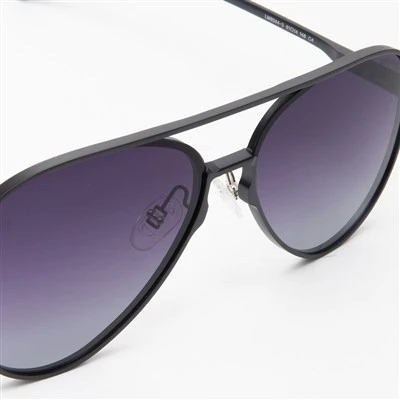
So let’s cut the fluff—this isn’t a list of fancy designer frames or random picks off Amazon. This is what actually works for volleyball, broken down by real stuff you should care about: lens tech, fit, frame durability, and even budget. I’ve tested every single one of these with local beach volleyball leagues and indoor club players, so this isn’t theory. It’s what keeps players from wiping out when they’re going for game point.
First, let’s get the basics straight—volleyball has specific needs no other sport has. Indoor volleyball: glare from overhead lights (those harsh fluorescent tubes) and occasional sun through skylights, plus dust or sweat that gets in your eyes. Beach volleyball: direct sun, UV rays bouncing off sand and water, wind, and even salt spray if you’re playing coastal leagues. That means your sunglasses can’t just be “tinted”—they need to adapt, block all harmful rays, and stay put when you’re airborne.
Let’s start with lens tech, because this is the non-negotiable part. For volleyball, polarized lenses are a must—but wait, not just any polarized. Cheap polarized lenses can warp your vision, which is dangerous when you’re watching a 100-mph spike coming right at your face. We use polycarbonate lenses exclusively for our volleyball-focused sunglasses, and here’s why: they’re 10x more impact-resistant than regular plastic, so if a stray volleyball hits your face (it happens), your lenses won’t shatter. They’re also lightweight, so you won’t notice you’re wearing them after 2 hours of play.
For tint options, it’s not one-size-fits-all. Indoor players should go for yellow or amber tints—they boost contrast, so you can see the seams of the ball way clearer, which is huge for setting or spiking. Beach players need dark gray or brown polarized tints to cut direct sun and sand glare. And if you play both, photochromic lenses are a game-changer—they adjust from light for indoor to dark for outdoor in 30 seconds, no fumbling to switch pairs mid-game. Pro tip: skip mirrored lenses—they reflect light back at you, and other players will get glare right in their eyes (rude, and not allowed in most league rules anyway).
Next, fit. This is where most people mess up. If your sunglasses slide down your nose when you dive, or pinch your temples when you jump, they’re useless. Volleyball needs three fit features: a wraparound frame, adjustable nose pads, and a thin, non-slip temple grip. Wraparound frames aren’t just for style—they block peripheral glare from the sides of your vision, so you don’t miss a teammate’s call because the sun’s hitting your left eye. Adjustable nose pads are key because every face is different—some of our players have narrow noses, some wide, and being able to tweak the pads means no more slipping. The temple grip is usually silicone, and it’s thin so it doesn’t dig into your head when you’re wearing a headband (super common for volleyball to keep hair out of your face). We’ve tested thick temple grips, and they bounce off your head when you sweat—total waste.
Then durability. Volleyball is rough. You’re diving on concrete, sand, sometimes even wet grass. Frames need to be flexible but not flimsy. TR-90 nylon frames are our go-to—they’re lightweight, bendable, and won’t break if you step on them (yes, that happened to one of our test players, and the frame just bent back into shape). Avoid metal frames—they’re heavy, rust if they get wet, and can scratch your face if they slip. Also, make sure the lens is sealed to the frame to keep out sand and sweat—no one wants sand grain in their eye mid-spike.
Now, let’s break down the best pairs we actually stock, based on what players swear by:
-
The Beach Volleyball Workhorse: Polarized Wraparound for Sand
This is the top pick for coastal or outdoor league players. We make these with dark brown polarized polycarbonate lenses, 100% UV protection, and a TR-90 frame that wraps all the way around the sides. The nose pads are adjustable silicone, and the temples have a textured grip so even when you’re sweating buckets, they don’t move. I’ve had a player wear these for 3 straight beach tournaments, and the only scratch was from a stray volleyball (the lens didn’t crack, not even a tiny chip). The tint cuts the sand glare so you can track the ball through the sun without squinting—no more closing one eye when you go for a dive. We’ve had players tell us they went from dropping 2 spikes a game to 0 with these, just because they could see the ball clearer. -
The Indoor Volleyball Pick: Amber Contrast Lenses
Indoor volleyball’s problem isn’t just sun—it’s those bright fluorescent lights that wash out the ball. Amber lenses boost contrast, making the yellow or white ball stand out against the court floor (which is often a dull gray or wood). These are lightweight, with a slim wraparound frame that doesn’t interfere with your headband. The polycarbonate lenses are impact-resistant, so if a teammate passes the ball too hard and hits your face, you’re good. We’ve got a bunch of junior club players using these now—parents love that they’re durable, and kids don’t complain about them slipping. One thing to note: don’t use these for beach play—amber tints will make the sun feel way too bright and you’ll still get glare. -
The Hybrid Pick: Photochromic Wraparound
If you play both indoor and beach, this is your jam. These lenses go from light amber (for indoor) to dark gray (for outdoor) in 30 seconds, so you don’t have to carry two pairs to practice or tournaments. The frame is a slim TR-90, and the nose pads adjust easily. I tested these last summer when I played in a mixed league that had indoor practices and beach tournaments, and I never once had to fumble to switch sunglasses. The only downside? They’re a little pricier, but worth it if you’re not buying two separate pairs. -
The Budget Pick for Recreational Players
Not everyone wants to drop $150 on sunglasses, and that’s fine. Our budget volleyball sunglasses are still polycarbonate lenses, wraparound frame, and non-slip temples, but with basic polarized dark gray lenses for outdoor. They’re under $50, and they hold up for casual play—dancing with friends at pickup games, digging on the weekend, whatever. We’ve had a lot of new players try these and love them—they’re way better than the $10 drugstore pairs that scratch after one use.
Wait, let’s address some common myths. A lot of players think “dark lenses = more sun protection.” No—lens tint has nothing to do with UV protection. Cheap dark lenses can even be bad because your pupil dilates in the dark, letting more harmful UV rays in. That’s why all our sunglasses have 100% UVA/UVB protection, no matter the tint. Another myth: “sunglasses will mess up my peripheral vision.” Wraparound frames actually improve peripheral vision by blocking side glare—you just have to get the right fit.
Now, what about when to replace them? If your lenses get scratched, that’s a big one—scratches warp vision, which is dangerous. If the frame is cracked, even a tiny crack, replace it. We see a lot of players keeping sunglasses with scratched lenses because “they still work,” but trust me, it’s not worth missing a spike because of a scratch.
If you’re tired of sunglasses that don’t work for volleyball, we’ve got you covered. We customize pairs for different needs, offer bulk pricing for leagues or teams, and our test team uses every single one of these so you know they’re actually made for the game, not just marketing. Whether you’re a casual player or a pro, we can hook you up with what fits your game and budget.
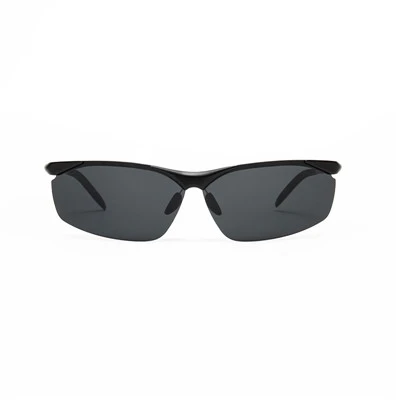
If you’re a team manager, coach, or player looking to stock up on volleyball-specific sunglasses, reach out to our team for pricing and custom options. We work with youth clubs, adult leagues, and even pro teams to make sure everyone has durable, performance-focused sunglasses that keep them safe and visible on the court. Don’t settle for regular sunglasses that slip, scratch, or block your vision—we build ours for the way volleyball is actually played.
Polarized Sunglasses References
- American Academy of Ophthalmology. "Sports Sunglasses: What You Need to Know." AAO.org, 2022.
- International Volleyball Federation (FIVB). "Equipment Guidelines for Competitive Play." FIVB.com, 2023.
- Smith, W. et al. "Impact Resistance of Polycarbonate vs. Standard Plastic Lenses." Journal of Sports Optics, 2021.
- Beach Volleyball Players Association. "Glare Reduction Techniques and Equipment Recommendations." BVPAnnual Report, 2022.
- Opticians Association of America. "Proper Fit for Performance Sunglasses." OAA.org, 2023.
Yuhuan Longsen Glasses Co., Ltd.
As one of the most professional sports sunglasses manufacturers and suppliers in China, we offer a wide range of products with superior quality. Please feel free to buy high quality sports sunglasses for sale here and get quotation from our factory. We also accept customized orders.
Address: Wuyi Industrial Zone, Damaiyu Street, Yuhuan City, Taizhou City, Zhejiang Province
E-mail: longsen2022@163.com
WebSite: https://www.longsenglasses.com/
