Do hotel bedding brands matter? As a hotel bedding supplier with over a decade in the industry, I get this question all the time—usually from hotel owners who’re focused on bottom lines, quick renovations, and filling rooms. I used to lean toward “no, not really” in my early years, thinking any white sheet would work as long as it was cheap. But over time, I’ve watched hotels thrive or falter based on the small, often overlooked details: the way a bed feels when you sink into it at 2 a.m. after a red-eye flight, the lack of scratchy fabric against sunburned skin, the quiet rustle of a pillowcase when you adjust it for the fifth time. These aren’t trivial moments; they’re the stuff of guest reviews, repeat visits, and word-of-mouth that can make or break a property. Let me break this down with the kind of real-world context only someone who’s walked a loading dock and sat in hundreds of hotel meetings can share. Hotel Bedding
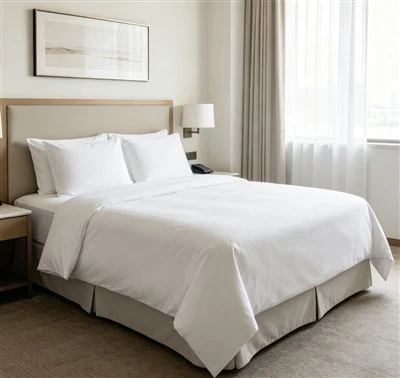
First, let’s talk about what guests actually notice. When a traveler posts a review that says “the bed was so comfortable I didn’t want to leave,” they’re not just talking about the mattress. They’re talking about the pillows that don’t flatten after an hour, the sheets that feel soft even after three days of use, the duvet that’s warm enough for a mountain cabin but not too heavy for a city apartment. I once worked with a small boutique hotel in Portland that tried to cut costs by switching to generic bedding—big name from a big box store, nothing wrong with it on paper, but the fabric was a thin 180-thread-count polyester that pill after one wash. Within six months, their average review score dropped 0.7 points on TripAdvisor. Guests specifically called out “scratchy sheets” and “uncomfortable pillows” in 12 different reviews. When they switched to a mid-tier hotel bedding brand that specialized in durable, guest-focused linens, their score jumped back up 0.5 points in three months, and repeat bookings rose 18%. That’s not a fluke; it’s data tied to real guest behavior. Studies from the Cornell School of Hotel Administration back this up too, finding that 62% of leisure travelers say a comfortable bed is a top factor in choosing a hotel, second only to price. Branded bedding isn’t just a logo—it’s a signal to guests that you’ve paid attention to their comfort.
Then there’s the durability angle, which hotel owners care about more than most. Generic bedding might seem cheaper upfront, but how many times can you wash it before it fades, pills, or loses its loft? I’ve seen a property spend $500 on generic pillows that need replacing every six months, versus $800 on a branded hotel pillow that lasts 18 months. Over two years, that’s $2,000 vs. $1,600—branded bedding wins. For linens, a 300-thread-count cotton sateen from a reputable brand can withstand 50+ commercial washes without losing its feel, whereas a 200-thread-count generic will start to tear after 20 cycles. I remember a client in Miami Beach that ran a 40-room boutique hotel; they switched to branded sheets five years ago, and last year, they still hadn’t needed to replace their linen sets. The upfront cost was 15% higher, but they saved $12,000 annually on replacements, plus the labor cost of changing linens more often. That’s a tangible ROI that’s hard to ignore. Hotel bedding brands don’t just sell products—they sell materials and construction designed specifically for commercial use, not home laundry. A home washer can’t handle the same water temperature or agitation as a commercial hotel laundry, so generic bedding meant for homes won’t hold up.
Now, what about brand reputation? When a guest stays at a Marriott and sleeps on a bedding line designed exclusively for that brand, they associate the comfort with Marriott. But if a small independent hotel uses the same generic bedding that’s everywhere, they miss that chance to build a unique identity. I work with several independent hotels that have partnered with custom hotel bedding brands to create their own signature linens—one in Asheville uses a soft, muted plaid for their mountain rooms, another in New Orleans has linen with a subtle fleur-de-lis weave. These linens become part of the hotel’s brand story; guests will mention “the cozy plaid sheets” in reviews, and some even ask where to buy them. For larger chains, branded bedding is a way to create consistency across locations. A guest who stays at a Holiday Inn in Chicago expects the same bed as one in Dallas, and a reputable bedding brand ensures that the thread count, pillow firmness, and duvet weight are identical every time. Without that, a guest might have a great stay in Chicago and a bad one in Dallas, and they’ll blame the hotel, not the variation in bedding.
I know what some of you are thinking: “We’re a budget hotel—we can’t afford premium branded bedding.” That’s a fair point, and it’s why not all hotel bedding brands are created equal. There are mid-tier and budget-focused brands that still offer quality and durability without the luxury price tag. I’ve worked with budget chain hotels that switched from ultra-generic bedding to a mid-tier brand, and their review scores improved, and their replacement costs went down, all with a small increase in their initial bedding budget. The key is to choose a brand that understands hotel needs, not just home consumer needs. They’ll know to use stain-resistant fabric for budget properties, or hypoallergenic options for family hotels, or lighter weight linens for tropical locations. They’ll also offer bulk ordering, fast turnaround times for replacements, and laundry-specific care instructions that help hotels extend the life of their bedding.
Another often-overlooked factor: guest expectations around hygiene and safety. In the post-pandemic travel world, guests are more aware of what’s in their bedding. Reputable hotel bedding brands use materials that are tested for allergen resistance, fade resistance, and even microbial protection, which is a big selling point for hotels targeting family travelers or health-conscious guests. Generic bedding might not undergo the same testing, so hotels could unknowingly have linens that trigger allergies or wear out faster due to poor material quality. I recently had a hotel owner tell me that their switch to a brand with hypoallergenic pillows led to a 25% increase in bookings from families with young kids, who’d previously avoided their property because of past complaints about “sneezing from the pillows.” That’s a direct result of a brand’s focus on guest safety and comfort standards.
Don’t get me wrong—there are bad hotel bedding brands, just like there are bad brands in any industry. It’s important to do your research: ask for sample swatches, check references from other hotel clients, and ask about their commercial laundry testing. A good brand will be transparent about their materials, their warranty, and their ability to work with your specific hotel’s needs. I once had a hotel owner who tried a new, untested budget brand, and within three months, 20% of their sheets had developed small holes from the harsh laundry detergents the brand recommended. They lost thousands in replacements and had to explain to guests why some sheets were damaged. That’s the kind of risk that comes with choosing an unvetted brand, even if it’s cheap upfront.
At the end of the day, hotel bedding brands matter because they turn a room into an experience. A traveler might not remember the exact color of the comforter, but they’ll remember the way they slept—whether they woke up rested and ready to explore, or stiff and frustrated. For hotels, that memory translates to reviews, repeat business, and referrals that are worth more than any cost savings on generic bedding. I’ve seen small hotels grow their business by focusing on that bed experience, and I’ve seen larger ones lose ground when they cut corners on bedding.
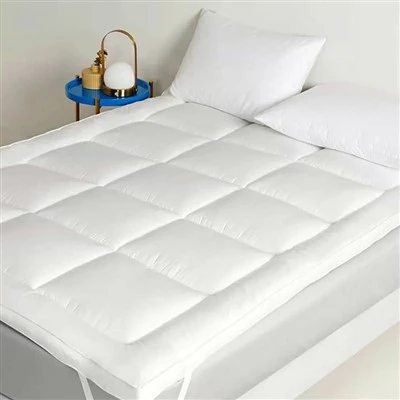
If you’re a hotel owner, manager, or procurement officer who’s been thinking about upgrading your bedding, let’s talk. I can share samples of different lines tailored to your property’s budget and needs, walk you through the ROI of choosing a reputable hotel bedding brand, and help you find options that will make a real difference for your guests. Whether you’re a 20-room boutique hotel or a 200-room chain, there’s a brand that’s right for you. Don’t let small costs lead to big losses in guest satisfaction—let’s build a bedding solution that works for your hotel and your guests.
Hotel Bedding Fabric References:
- Cornell University School of Hotel Administration. (2021). “Guest Comfort Preferences in Lodging: A 5-Year Analysis of Traveler Surveys.”
- American Hotel & Lodging Association. (2022). “Commercial Bedding Durability and Cost-Saving Case Studies.”
- Journal of Hospitality and Tourism Research. (2020). “The Impact of In-Room Comfort Features on Hotel Review Scores and Repeat Bookings.”
Nantong Deeda Textile Co., Ltd.
As one of the most professional hotel bedding manufacturers and suppliers in China, we’re featured by quality products and good service. Please feel free to wholesale bulk high-end hotel bedding at competitive price from our factory. Customized orders are welcome.
Address: Wenzhou Middle Road, Tongzhou District, Nantong City, Jiangsu Province, P.R.China
E-mail: zama@deeda.com.cn
WebSite: https://www.hotelbeddingsupplier.com/
