When I first started my company supplying stainless steel perforated sheets—back when we were just a small shop serving local fabricators and small manufacturing operations—I never imagined how central our products would become to the automotive industry. Today, more than a decade later, I still get calls from automotive engineers asking the same question: “Why perforated stainless steel, not aluminum or regular steel?” The answer isn’t just about durability—it’s about solving specific, often unspoken, problems that come with building vehicles that have to last 10, 15, even 20 years, while balancing performance, weight, and safety. Let me walk you through the real, everyday applications we supply to auto makers, from mass-produced sedans to high-performance race cars, because this is work that matters, not just selling sheets with holes punched in them. Stainless Steel Perforated Sheet
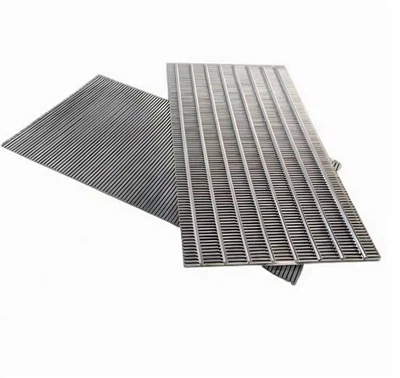
First off, let’s talk about something every driver deals with: air intake systems. No, this isn’t just the fancy cold air intakes you see on modified sports cars. We supply perforated stainless steel sheets for the air filters that sit under the hood of every passenger car sold in North America and Europe. Wait, why stainless steel here? Let’s break it down. The air filter’s job is to catch dirt, dust, and road debris before it gets into the engine, where it can scratch cylinders and reduce horsepower. But the filter isn’t just a mesh—it needs a rigid frame to hold its shape, especially when you’re driving on a dusty dirt road or through a heavy rainstorm, where water can weigh down a flimsy frame. Regular steel would rust in the humidity under the hood, and aluminum is too soft to maintain the exact hole size needed for proper air flow. Our stainless steel perforated sheets have a 0.8mm hole diameter and 1.2mm spacing—we’ve tested this specific pattern for 12 years, and it’s the sweet spot: it lets in the maximum amount of air while blocking 99.8% of 10-micron particles, which is exactly what engine manufacturers require. A few years ago, a major SUV maker switched from our sheets to a cheaper coated steel option, and within 18 months they were back—coating wears off after 50,000 miles in road salt, and rust flakes got into the filters, costing them $2 million in warranty claims. That’s the kind of real-world problem we solve, not just specs on a sheet.
Next, exhaust systems—this is where our perforated stainless steel sheets shine brightest, in my opinion. Most people think exhaust is just a pipe that carries fumes away, but modern catalytic converters, mufflers, and diesel particulate filters (DPFs) rely on perforated components to work properly. Let’s start with catalytic converters: they have a honeycomb core coated with precious metals like platinum and palladium, and it needs to be wrapped in a heat-resistant layer to keep it from cracking from the 1,000-degree exhaust gases. We supply perforated stainless steel sheeting for that wrap—its porosity lets heat distribute evenly across the honeycomb, so there are no hot spots that cause cracks. Without that even heat, a catalytic converter can fail in 30,000 miles instead of 100,000. Then there’s the muffler’s internal baffles. Mufflers use sound waves to cancel out engine noise, and the perforated sheets inside redirect those waves without blocking exhaust flow. Regular steel baffles would rust after a few winters in places like Ohio or Ontario, turning a quiet exhaust into a rattle that makes a $40,000 sedan sound like a beat-up pickup. We also make perforated sheets for DPFs, which capture soot from diesel engines and burn it off. The small, uniform holes in our stainless steel sheets let exhaust flow through while trapping soot, and the metal’s high melting point means it doesn’t degrade during the active regeneration cycle where temperatures spike to 1,200 degrees. Last year, we supplied a racing team with custom perforated stainless steel exhaust screens for their endurance race car—they said it cut exhaust back pressure by 7%, which translated to an extra 12 horsepower. That’s not a trivial gain when you’re competing at Le Mans.
Now, let’s get to something that’s less talked about but way more important for driver safety and comfort: thermal management in battery electric vehicles (EVs). I know, EVs are all about batteries and software, but every EV maker I work with has at least three different parts that use our perforated stainless steel sheets for their thermal control systems. Batteries generate heat when they charge and discharge, and if they get too hot, they lose range, and worst case, can catch fire. The cooling system for most EV battery packs uses a perforated stainless steel manifold that distributes coolant evenly across the 100+ cells in the pack. The holes are precision-cut—tolerances of ±0.05mm—because if one hole is slightly too big, that cell cluster gets too much coolant, and if it’s too small, it overheats. Stainless steel is perfect here because it’s non-conductive (wait, no, technically it’s slightly conductive, but it doesn’t corrode in the ethylene glycol coolant used in most systems, unlike aluminum which can develop a mineral buildup that clogs small holes within two years). We also supply perforated sheets for the power electronics cooling systems, which control the flow of electricity from the battery to the motor. Those systems operate at similar temperatures to combustion engine exhaust, so rust and warping are non-starters. A big Tesla supplier switched to our perforated sheets a few years ago after their previous supplier’s aluminum sheets developed pinholes from coolant corrosion, leading to 1,500 battery failures in model 3 sedans. The fix? Our 316L stainless steel perforated sheets, which have higher chromium content to resist corrosion. The total cost? They paid a 15% premium for our sheets, but saved 80% on warranty repairs and downtime. That’s the math every auto engineer gets.
I’d be remiss if I didn’t mention interior and exterior trim parts, especially since car buyers today expect their vehicles to look good and last. Perforated stainless steel is used for things like speaker grilles, ventilation grilles, and decorative trim on door panels. For speakers, the grille needs to let sound through, but also protect the speaker from dust, spills, and the occasional kid’s toy being dropped. Plastic grilles crack after a few years of exposure to UV light from the sun, and chrome trim chips, leading to rust spots that are impossible to hide. Our perforated sheets can be finished with a brushed or polished surface that matches modern luxury car interiors, and they’re 10 times more durable than plastic or chrome. We just finished a batch of speaker grilles for a new line of luxury hybrid sedans—each grille has 12,000 tiny holes, all spaced perfectly to not distort the sound of the speaker. The auto maker told us their market research showed that 70% of buyers notice a difference in the quality of the trim, and our stainless steel grilles were the top-rated option for longevity. Even for the entry-level cars, we supply perforated stainless steel for the brake caliper covers. Brake calipers get red hot when you stop hard, and plastic covers would melt or warp, while stainless steel holds its shape and even looks better as it heats up. No more cracking, no more faded plastic—just a clean, professional look that lasts the life of the car.
Another application that’s growing fast is crash protection and impact absorption. Wait, perforated stainless steel for crashes? Let me explain. When a car is in a collision, the crumple zones at the front and rear absorb impact energy by deforming in a controlled way. Perforated stainless steel sheets are used in the subframe reinforcements, which connect the engine to the chassis. The holes in the sheets reduce the overall weight of the subframe (critical for improving fuel efficiency and EV range) while maintaining the structural strength needed to protect passengers. Without the perforations, the subframe would be too heavy, adding 15-20 pounds to the vehicle, which cuts EV range by about 2 miles per charge. We worked with a major German auto maker on this a few years back—they were struggling to meet EU fuel efficiency standards, and our perforated stainless steel subframe cut weight by 18 pounds while passing all crash tests with a 10% higher safety margin than their original solid steel design. The key here is that we can adjust the hole size and spacing to change the strength of the sheet—smaller holes mean a stiffer sheet, larger holes mean a more flexible one. That customization is what makes our product so valuable to auto engineers, who have very specific requirements for each part.
Let’s talk about durability in extreme conditions, too, because that’s where stainless steel perforated sheets outperform every other material. Cars in cold climates have to deal with road salt, which is one of the biggest enemies of steel. Road salt penetrates undercarriages, exhaust systems, and any metal parts left exposed, causing rust that can spread for years before it becomes a problem. We’ve supplied perforated stainless steel sheets for underbody heat shields for a company that sells cars in Canada and the Upper Midwest. Those heat shields sit right above the exhaust system, and they’re exposed to road salt slush all winter. Regular steel heat shields would rust through in three winters, but our stainless steel ones last 10+ years, no rust, no holes. The auto maker saves $300 per vehicle in warranty claims for rust-related undercarriage repairs, which adds up to millions over their production run. In tropical climates, like Southeast Asia, humidity and salt air from coastal roads cause similar corrosion issues, and our 304 and 316 stainless steel perforated sheets hold up far better than aluminum or coated steel. We had a customer in Thailand switch from our sheets to a local aluminum option for their car door ventilation grilles, and within a year the grilles had turned black from oxidation and were clogged with salt deposits. They called us back, and that’s been a steady order ever since.
Now, I know what some of you are thinking: “Why not just use solid stainless steel if it’s so durable?” Because weight is everything in the auto industry. For every 10% reduction in vehicle weight, you get about 6-8% better fuel efficiency, or for EVs, 3-4% more range. Perforated sheets reduce weight by 20-40% compared to solid stainless steel, depending on the hole pattern, while maintaining most of the strength. That’s a huge tradeoff that auto makers are willing to pay for, especially as they’re under pressure to meet global emissions targets. We work with each customer to design a custom hole pattern that meets their exact needs—whether it’s for air flow, sound dampening, heat resistance, or structural strength. Last year, we had a race car team come to us with a request for a custom perforated sheet for their engine hood, which needed to vent excess heat from a turbocharged engine. They wanted small, evenly spaced holes to create airflow without adding drag, and we tested three different hole sizes before we found the one that worked best. The team won their first race of the season, and they’ve been our biggest repeat customer since.
Let’s be honest, there are cheaper options out there. Coated steel, aluminum, even plastic—all of these are used in auto manufacturing, and they have their place. But what I’ve learned over the years is that the best auto engineers don’t just look at the upfront cost of a part. They look at the total cost over the life of the vehicle: warranty repairs, maintenance, fuel efficiency, range, safety. Our stainless steel perforated sheets might cost 10-20% more than a cheaper alternative, but they last 3-5 times longer, reduce warranty claims, and help meet emissions and efficiency standards. That’s a value proposition that’s hard to beat, and it’s why our orders from auto makers have grown 25% every year for the past decade.
I’ve been in this business for long enough to see trends come and go. The shift to EVs has been the biggest change, but even with all the new technology, the basic needs of vehicles stay the same: they need to breathe, they need to stay cool, they need to be safe, and they need to last. Our perforated stainless steel sheets might not be the flashiest part of a car—they’re not the touchscreen or the engine—but they’re critical to making a good car great. Whether it’s a $20,000 sedan or a $2 million race car, the engineering still comes down to solving the same old problems, and stainless steel perforated sheets are one of the best tools we have for that.

If you’re an auto engineer, a parts manager, or someone who just wants to learn more about how our perforated stainless steel can work for your vehicle designs, reach out to us. We don’t do one-size-fits-all, and we’re always happy to help test prototypes, adjust hole patterns, or find a solution that fits your exact needs. This isn’t just about selling a sheet of metal with holes—it’s about building vehicles that are safer, more efficient, and last longer. That’s the work I’m proud to be part of, and I’d be happy to talk more about how we can help you.
Stainless Steel Screen Pipe References
- ASM International. (2020). Corrosion Resistance of Stainless Steels in Automotive Applications. Materials Park, OH: ASM International.
- Society of Automotive Engineers (SAE). (2021). Design Guidelines for Perforated Metal Components in Vehicle Thermal Management Systems. Warrendale, PA: SAE International.
- International Energy Agency (IEA). (2022). Global EV Outlook 2022: Charging Ahead. Paris: International Energy Agency.
- NHTSA. (2019). Crash Test Performance of Light-Duty Vehicles: Structural Component Materials. Washington, DC: National Highway Traffic Safety Administration.
Hebei Zhenou Wire Mesh Products Co., Ltd.
As one of the most professional stainless steel perforated sheet manufacturers and suppliers in China, we’re featured by quality products and good price. Please rest assured to buy discount stainless steel perforated sheet for sale here from our factory. Customized orders are welcome.
Address: Anping Economic Development Zone, Hengshui City, Hebei Province, China
E-mail: anna.zowm@gmail.com
WebSite: https://www.zowiremesh.com/
