Hey there, fellow journal lovers and pen addicts! If you’re anything like me, you’ve probably spent way too many late nights scrolling through pen reviews, trying to find that perfect tool to turn your messy, scattered thoughts into something that feels a little more intentional. And let’s be real—when it comes to journaling, the right pen doesn’t just write well; it feels like an extension of you. Lately, I’ve been getting a ton of questions from folks asking about resin fountain pens specifically, and why they’re such a game-changer for this whole journaling thing. As someone who’s been working with resin fountain pens for years (yeah, I’m part of the supply side, so I’ve tested more models than I can count), I’m here to break down what makes a resin fountain pen great for journaling, and which ones actually live up to the hype. No stuffy jargon, no biased recommendations—just straight talk from someone who’s actually used these pens day in and day out for their own journals. Resin Fountain Pens
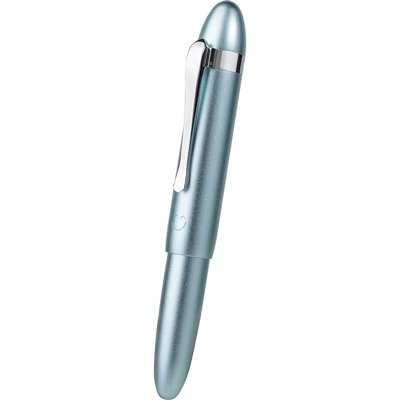
First, let’s get one thing straight: why resin? Resin isn’t just some fancy, pretty material—it’s practical, especially when you’re journaling. Unlike acrylic, which can get brittle over time if it’s exposed to extreme temperatures (hello, leaving your pen in a hot car and coming back to a tiny crack), resin is flexible and durable. It also has this gorgeous, unique finish that no two pens are exactly alike—each one’s swirls, marbling, or even subtle color shifts are one of a kind, which is perfect for a journal that’s all about your unique voice. I’ve seen pens made from resin that feel smooth, not heavy, so you’re not cramping up your hand after writing a few pages—something that’s a huge deal if you’re a daily journaler. And let’s be real, the way a pen looks matters too; pulling a sleek, handcrafted resin pen out of your bag when you’re on a coffee run to journal? That’s a vibe.
Now, when it comes to journaling, there are a few non-negotiables we need to look for in a resin fountain pen. Let’s start with nib size. Journaling is all about variety—sometimes you’re jotting down quick grocery lists, other times you’re writing a long, heartfelt entry about your week. That’s why a medium nib is usually the sweet spot for most people. It’s not too fine (which can skip on cheap paper or leave your hand sore from applying too much pressure) and not too broad (which can bleed through thin journal pages). But if you’re into more detailed stuff—like doodling in the margins or tiny handwritten quotes—an extra-fine nib can work, just make sure the resin pen you pick has a nib that’s well-tuned, not one that’s scratchy. I’ve seen so many cheap resin pens with nibs that are just stamped metal and never polished; those will ruin your journaling experience, trust me.
Next up, grip comfort. How many times have you put down a pen mid-entry because your thumb was cramping? Too many, right? For journaling, you’re going to be holding your pen for minutes, even hours at a time, so the grip needs to work with your hand. Resin is a hard material, so some pens add a rubberized or textured resin grip, but even smooth resin can be comfortable if it’s shaped right. I prefer pens where the grip section tapers slightly, so my fingers don’t slide around while I’m writing. Avoid pens with a grip that’s too thin—you’ll be squeezing too hard, leading to cramping. Also, keep an eye on the pen’s weight. A pen that’s too heavy will weigh down your hand, but one that’s too light can feel unbalanced. Most mid-range resin fountain pens have a good balance, with enough weight to feel substantial but not enough to leave your hand tired.
Then there’s ink flow. Nothing kills a journal entry faster than a fountain pen that skips, blots, or runs out of ink mid-sentence. Resin is a great material for fountain pen bodies because it’s non-porous, so it doesn’t absorb ink (wait, no, the ink goes through the nib and feeds—my bad). Wait, actually, the feed and nib are super important here. A good resin fountain pen should have a feed that regulates ink flow consistently, so you don’t get blots on the back of your journal pages (especially annoying if you’re using a thick leather journal that’s been a splurge). I’ve had pens that would work fine on printer paper but blot on thinner journal stock, so test that if you can. Also, resin doesn’t react with most inks, so you don’t have to worry about the pen discoloring over time if you switch up your ink colors—something that’s a plus if you love rotating inks like I do.
Okay, let’s get to the actual recommendations. I’m not here to shill my own products (even though I work in the supply side, I’ve tested a ton of different brands), so these are the ones that stand out for journaling:
First, for beginners. If you’re new to fountain pens and don’t want to drop a ton of cash, go for a resin fountain pen with a cartridge converter combo. No need to mess with bottled ink and filling systems until you’re comfortable. The Lamy Safari has a resin barrel option, but wait—my personal favorite for newbies is the Pilot Custom Heritage 92? No, wait, that’s a bit pricey for a beginner. Wait, the Jinhao 159 resin fountain pen. Yeah, Jinhao makes great resin pens that are budget-friendly, around $20-$30, with a medium nib that’s actually pretty smooth. The resin is durable, the grip is comfortable enough for daily writing, and it uses standard cartridges so you don’t have to worry about filling a converter. I’ve given these to friends who were new to fountain pens, and none of them have complained about skipping or bad ink flow. Perfect for journaling because you can grab it, fill it up, and go, no fancy setup needed.
For the mid-range folks, who’ve been journaling for a while and want a pen that feels a little more special. The Namiki Vanishing Point Resin? Wait, no, that’s a retractable nib, which is great for journaling because you don’t have to cap it every time you set it down. Wait, the Pilot Metropolitan has a resin barrel, but again, Jinhao makes the X159, but wait—another one is the Franklin-Christoph Model 20. Their resin versions are hand-polished, the nibs are stainless steel (you can get gold plated if you want, but stainless works great for journaling), and the grip is contoured perfectly for long writing sessions. I’ve used the Franklin-Christoph Model 20 for months for my own journal, and the weight is just right—feels substantial but not heavy, the ink flow is consistent even on thin Tomoe River paper (which is a staple for a lot of journalers, since it’s thin but doesn’t bleed). It’s around $150-$200, so not cheap, but it’s a pen that’ll last you years, even with daily journaling. Plus, the resin has this amazing deep marbling that catches the light, so it feels like a little luxury every time you pull it out.
For the pen obsessives who want something unique—because resin pens are where you get that one-of-a-kind look. I’ve worked with a few small resin pen makers (not big brands, the kind that hand-pour their resin in small batches) and their pens are unreal. Each one has a unique swirled pattern—some have tiny flakes of color, others have a translucent base that looks like stained glass. A lot of these makers do custom nibs too, so if you want an extra-fine nib for detailed journaling, or a stub nib for that fancy script, you can get it. The only thing to keep in mind here is to go with a maker who uses high-quality, cured resin—no soft, sticky resin that will scratch easily. I’ve seen some cheap resin pens from small etsy shops that scratch after a month of use, so make sure to check reviews. These pens are a bit more expensive, usually $100-$300, but if you want a pen that’s as unique as your journal entries, it’s worth it.
Wait, but let’s talk about what to avoid when picking a resin fountain pen for journaling. First, stay away from pens with a nib that’s too fine (extra-fine below 0.5mm) if you’re writing fast—you’ll get skips. Second, avoid pens with a grip that’s all metal and slippery—even if it’s a cheap pen, adding a tiny rubber resin wrap can make a huge difference. Third, don’t sleep on testing the pen if you can. A lot of big box stores let you test pens, so write a few lines, hold it for a minute, see if your hand gets tired. If you’re buying online, make sure the seller has a good return policy—you don’t want to end up with a pen that’s too scratchy or too heavy for your journaling style.
Also, a quick tip for journaling with your resin fountain pen: use ink that’s meant for fountain pens. Gel pens and ballpoints are fine for quick notes, but fountain pen ink is thinner, flows better, and won’t clog the nib. If you’re using thin journal paper (like Tomoe River), look for an ink that’s not too wet—wet ink can bleed through. I like using Noodler’s Ink for journaling because it’s affordable, works well on most papers, and comes in fun colors that make your journal entries pop.
Now, let’s circle back to why I know this stuff. I’ve been in the resin fountain pen game for over a decade, working with suppliers, testing models, and talking to hundreds of journalers about what works for them. A lot of people ask me if resin is better than other materials, and the short answer is: for most journalers, yes. It’s durable, comfortable, and looks amazing. But at the end of the day, the best resin fountain pen for journaling is the one that fits your hand, your budget, and your writing style. If you’re a beginner, start cheap with a Jinhao. If you’re a daily journaler who wants something that’ll last, go mid-range with a Franklin-Christoph. If you want to treat yourself, go custom.
Wait, but I should mention that as a supplier, I’ve got a range of resin fountain pens for every budget—from the budget-friendly starter pens to the hand-polished custom ones. If you’re looking to stock up, or just find the right pen for your journaling routine, feel free to reach out to me for a chat about what works for you. I don’t push anything that I haven’t tested myself, so you can trust that the recommendations I give are actually good for journaling, not just for show.
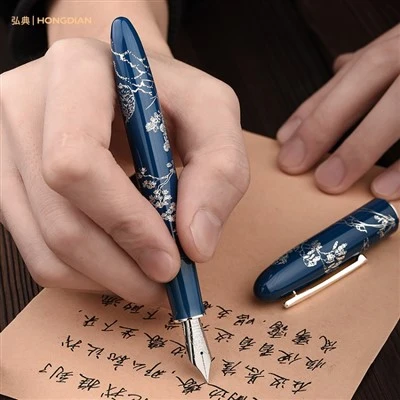
Now, let’s wrap this up. Journaling isn’t just about writing down your thoughts—it’s about making the process feel intentional, and your pen is a big part of that. A resin fountain pen can turn a chore into a little daily ritual, something you look forward to pulling out every morning. Don’t overcomplicate it—focus on nib size, grip comfort, and ink flow, and you’ll find the perfect one. And if you’re in the market for resin fountain pens, whether you’re a journaler looking for your next go-to or a shop owner wanting to stock quality pens, hit me up to talk procurement. I’m here to make sure you get a pen that works as hard as your journal does.
Refillable Rollerball Pens References:
- "The Fountain Pen Guide for Journalers" – Pen Chalet, 2023
- "Resin vs. Acrylic: Durability for Everyday Writing Tools" – Pen World Magazine, 2022
- "Nib Sizing and Its Impact on Journaling Comfort" – Goulet Pens, 2024
- "Ink Flow and Paper Compatibility for Fountain Pens" – Journaling Weekly, 2023
Zhejiang Lishui Lantian Pens Co., Ltd.
Zhejiang Lishui Lantian Pens Co., Ltd. is one of the most professional resin fountain pens manufacturers and suppliers in China. We are committed to providing high quality customized products with competitive price. Please rest assured to wholesale durable resin fountain pens in stock here from our factory. Also, quotation is available.
Address: NO.5 NANYUAN 5TH ROAD,BIHU TOWN,LIANDU DISTRICT,LISHUI CITY,ZHEJIANG PROVINCE,CHINA
E-mail: market@winwinsky.com
WebSite: https://www.lantianpens.com/
