When it comes to vehicle safety, seatbelts are undoubtedly one of the most crucial components, and truck seatbelts are no exception. As a truck seatbelt supplier with years of industry experience, I’ve witnessed firsthand the evolution of materials used in these essential safety devices. In this blog post, I’ll delve into the types of materials commonly employed in truck seatbelts, exploring their properties, advantages, and drawbacks. Truck Seatbelt
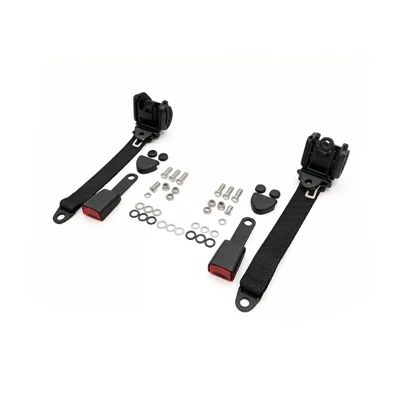
Polyester
One of the most widely used materials in truck seatbelts is polyester. Polyester is a synthetic polymer known for its strength, durability, and resistance to abrasion, chemicals, and UV radiation. These properties make it an ideal choice for seatbelt applications, where the belt must withstand repeated use, exposure to the elements, and the stress of sudden deceleration.
Polyester seatbelts are typically made from high-tenacity fibers, which are engineered to have superior strength and stiffness compared to standard polyester fibers. These fibers are woven into a tight, dense fabric that can stretch slightly under tension to absorb the energy of a collision, while still providing a secure restraint for the occupant.
One of the key advantages of polyester seatbelts is their affordability. Polyester is a relatively inexpensive material to produce, making it a cost-effective option for truck manufacturers. Additionally, polyester seatbelts are easy to clean and maintain, and they can be dyed in a variety of colors to match the interior of the truck.
However, polyester seatbelts do have some limitations. Over time, exposure to sunlight and high temperatures can cause the polyester fibers to degrade, resulting in a loss of strength and elasticity. Additionally, polyester seatbelts may not provide the same level of comfort as some other materials, as they can feel stiff and scratchy against the skin.
Nylon
Another popular material used in truck seatbelts is nylon. Nylon is a synthetic polymer that is similar to polyester in many ways, but it has some unique properties that make it well-suited for seatbelt applications.
Like polyester, nylon is strong, durable, and resistant to abrasion and chemicals. However, nylon has a higher melting point than polyester, which means it can withstand higher temperatures without melting or deforming. This makes nylon seatbelts more suitable for use in trucks that are exposed to high temperatures, such as those used in heavy-duty applications or in hot climates.
Nylon seatbelts are also more elastic than polyester seatbelts, which means they can stretch more under tension to absorb the energy of a collision. This can help to reduce the force of impact on the occupant, potentially reducing the risk of injury.
In addition to its strength and elasticity, nylon is also a relatively soft and comfortable material to wear. This makes nylon seatbelts more comfortable for long periods of use, which is important for truck drivers who spend many hours on the road.
However, nylon seatbelts are more expensive than polyester seatbelts, which can make them less attractive to some truck manufacturers. Additionally, nylon seatbelts are more prone to fading and discoloration over time, especially when exposed to sunlight and high temperatures.
Aramid Fibers
Aramid fibers are a class of high-strength synthetic fibers that are known for their exceptional strength, stiffness, and heat resistance. Aramid fibers are commonly used in a variety of applications, including aerospace, military, and automotive industries.
In truck seatbelts, aramid fibers are typically used in combination with other materials, such as polyester or nylon, to provide additional strength and durability. Aramid fibers are extremely strong, with a tensile strength that is several times higher than that of steel. This makes them ideal for use in seatbelts, where they can help to prevent the belt from breaking or stretching under the stress of a collision.
In addition to their strength, aramid fibers are also highly resistant to heat and abrasion. This makes them suitable for use in trucks that are exposed to high temperatures or harsh environments, such as those used in construction or mining.
However, aramid fibers are also very expensive, which can make them cost-prohibitive for some truck manufacturers. Additionally, aramid fibers are relatively brittle, which means they can break or crack if they are subjected to excessive stress or impact.
Leather
Leather is a natural material that has been used in seatbelts for many years. Leather seatbelts are typically made from high-quality cowhide leather, which is known for its durability, strength, and comfort.
Leather seatbelts are often used in luxury trucks or high-end vehicles, where they can add a touch of style and sophistication to the interior. Leather seatbelts are also very comfortable to wear, as they are soft and flexible, and they conform to the shape of the body.
In addition to their comfort and style, leather seatbelts are also very durable. Leather is a strong and resilient material that can withstand repeated use and exposure to the elements. However, leather seatbelts require more maintenance than other types of seatbelts, as they need to be cleaned and conditioned regularly to prevent them from drying out and cracking.
Conclusion
In conclusion, there are several types of materials commonly used in truck seatbelts, each with its own unique properties, advantages, and drawbacks. Polyester is a popular choice due to its affordability, durability, and resistance to abrasion and chemicals. Nylon is a strong and elastic material that is more suitable for use in trucks that are exposed to high temperatures. Aramid fibers are extremely strong and heat-resistant, but they are also very expensive. Leather is a natural material that is comfortable and stylish, but it requires more maintenance than other types of seatbelts.
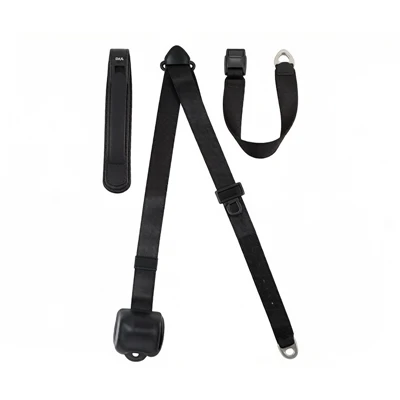
As a truck seatbelt supplier, we understand the importance of using high-quality materials in our products. That’s why we offer a wide range of seatbelts made from different materials to meet the needs and preferences of our customers. Whether you’re looking for a cost-effective polyester seatbelt or a luxurious leather seatbelt, we have the right product for you.
Racing Seat Belts If you’re interested in learning more about our truck seatbelts or would like to discuss your specific requirements, please don’t hesitate to contact us. Our team of experts is always available to answer your questions and provide you with the information you need to make an informed decision. We look forward to hearing from you and working with you to ensure the safety of your truck drivers.
References
- "Seatbelt Materials: A Comprehensive Guide." Automotive Safety Journal.
- "The Evolution of Truck Seatbelt Technology." Transportation Research Institute.
- "Materials Science for Automotive Applications." Wiley-Blackwell.
Yangzhong Weian Mechanical and Electrical Co., Ltd.
As one of the most professional truck seatbelt manufacturers and suppliers in China, we’re featured by quality products and good service. Please rest assured to wholesale truck seatbelt in stock here and get quotation from our factory. Customized orders are welcome.
Address: Group 10, Xinhua Village, Xilaiqiao Town, Yangzhong City; West of The Bus Terminal On Yuanqu Avenue.
E-mail: hfsaml_2008@qq.com
WebSite: https://www.weianseatbelt.com/
