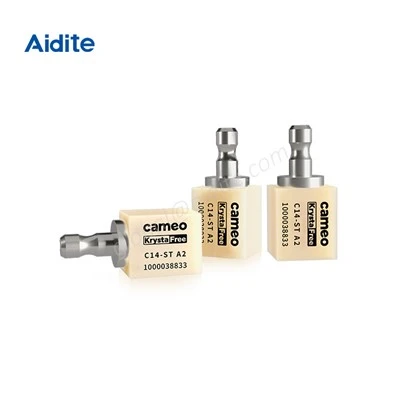
When it comes to manufacturing complex-shaped parts, selecting the best CAD/CAM material is a critical decision that can significantly impact the quality, functionality, and cost of the final product. As a CAD/CAM material supplier, I’ve been involved in numerous projects where the choice of material played a pivotal role in the success of the manufacturing process. In this blog, I’ll share some insights on how to determine the best CAD/CAM material for a complex-shaped part. CAD/CAM Material
Understanding the Requirements of the Part
The first step in choosing the right CAD/CAM material is to understand the specific requirements of the complex-shaped part. This involves considering several factors, including the part’s function, operating environment, mechanical properties needed, and aesthetic considerations.
Function of the Part
What is the part supposed to do? Is it a structural component that needs to bear heavy loads, or is it a decorative piece with minimal mechanical requirements? For example, if the part is a turbine blade in a jet engine, it needs to withstand high temperatures, pressures, and rotational forces. In this case, materials like titanium alloys or nickel-based superalloys are preferred due to their excellent high-temperature strength and corrosion resistance. On the other hand, if the part is a consumer product’s housing, such as a smartphone case, the material may need to be lightweight, have good impact resistance, and be aesthetically pleasing. Plastics like polycarbonate or acrylonitrile butadiene styrene (ABS) are commonly used for such applications.
Operating Environment
The environment in which the part will operate is another crucial factor. Will it be exposed to extreme temperatures, moisture, chemicals, or radiation? For parts used in outdoor applications, materials with good weather resistance are essential. For instance, in marine environments, stainless steel is often a good choice for its corrosion resistance to saltwater. In high-temperature industrial settings, ceramics or heat-resistant polymers may be more suitable.
Mechanical Properties
The required mechanical properties of the part, such as strength, hardness, toughness, and flexibility, must be carefully considered. Strength is important for parts that need to support loads without deforming, while toughness is crucial for parts that may be subjected to impact or shock. For example, if the part is a gear in a transmission system, it needs to have high strength and wear resistance. Materials like hardened steel or high-performance plastics can meet these requirements. Flexibility may be necessary for parts like flexible connectors or gaskets, in which case elastomers or flexible polymers are appropriate.
Aesthetic Considerations
In some cases, the appearance of the part is as important as its functionality. This is particularly true for consumer products, architectural components, or display items. The material should be able to be finished to the desired surface quality, color, and texture. Metals can be polished to a high shine, while plastics can be molded with different surface finishes, such as matte or glossy.
Evaluating CAD/CAM Materials
Once the requirements of the part are clear, the next step is to evaluate different CAD/CAM materials based on these requirements. There are a wide variety of materials available for CAD/CAM manufacturing, including metals, plastics, ceramics, and composites, each with its own set of properties and characteristics.
Metals
Metals are widely used in CAD/CAM manufacturing due to their high strength, durability, and good thermal and electrical conductivity. Common metals include aluminum, steel, titanium, and copper. Aluminum is lightweight, has good corrosion resistance, and is easy to machine. It is often used in aerospace, automotive, and consumer electronics industries. Steel is known for its high strength and toughness and is suitable for structural components. Titanium has excellent strength-to-weight ratio and corrosion resistance, making it ideal for applications in the medical and aerospace fields. Copper is a good conductor of electricity and heat and is commonly used in electrical and electronic components.
Plastics
Plastics offer several advantages, such as low cost, ease of processing, and a wide range of properties. They can be classified into thermoplastics and thermosetting plastics. Thermoplastics, like polypropylene, polyethylene, and polycarbonate, can be melted and re-molded multiple times, making them suitable for recycling. They are often used in injection molding, 3D printing, and other manufacturing processes. Thermosetting plastics, such as epoxy and phenolic resins, undergo a chemical reaction during curing and cannot be re-melted. They are known for their high heat resistance and mechanical strength and are used in applications where high temperature and chemical resistance are required.
Ceramics
Ceramics have excellent hardness, wear resistance, and high-temperature stability. They are commonly used in applications such as cutting tools, bearings, and electronic components. However, ceramics are brittle and can be difficult to machine, which limits their use in some complex-shaped parts. Advanced ceramic materials, such as zirconia and alumina, have been developed to improve their toughness and machinability.
Composites
Composites are materials made by combining two or more different materials to achieve specific properties. They often consist of a matrix material, such as a polymer or metal, and a reinforcement material, such as fibers or particles. Composites offer high strength-to-weight ratios, good corrosion resistance, and can be tailored to meet specific requirements. Carbon fiber composites are widely used in aerospace, automotive, and sports equipment industries due to their high strength and lightweight nature.
Considering the Manufacturing Process
The choice of CAD/CAM material is also closely related to the manufacturing process used to produce the complex-shaped part. Different materials have different processing characteristics, and the manufacturing process can affect the final properties and quality of the part.
Machining
If the part is to be machined using CNC (Computer Numerical Control) machining, the material’s machinability is an important consideration. Machinability refers to how easily a material can be cut, drilled, and shaped using machining tools. Materials with good machinability require less cutting force, produce less tool wear, and result in a better surface finish. For example, aluminum is known for its excellent machinability, while some hard metals and ceramics can be more difficult to machine.
3D Printing
3D printing, also known as additive manufacturing, has become increasingly popular in recent years for producing complex-shaped parts. Different 3D printing technologies, such as Fused Deposition Modeling (FDM), Stereolithography (SLA), and Selective Laser Sintering (SLS), can work with different types of materials. FDM is commonly used with thermoplastics, while SLA can work with photopolymer resins. SLS can process a variety of materials, including plastics, metals, and ceramics. When choosing a material for 3D printing, factors such as layer adhesion, shrinkage, and post-processing requirements need to be considered.
Casting
Casting is a traditional manufacturing process used to produce complex-shaped parts. In casting, a molten material is poured into a mold and allowed to solidify. The choice of material for casting depends on factors such as the melting point, fluidity, and shrinkage of the material. Metals like aluminum, bronze, and iron are commonly used in casting processes.
Cost Analysis
Cost is always an important factor in any manufacturing project. The cost of the CAD/CAM material includes not only the purchase price but also the cost of processing, finishing, and quality control. When comparing different materials, it’s important to consider the total cost of ownership over the life of the part.
Material Cost
The cost of different materials can vary significantly. For example, titanium is generally more expensive than aluminum, while some high-performance plastics can be more costly than standard plastics. However, the cost of the material may be offset by its performance and durability. In some cases, using a more expensive material can result in a longer service life and lower maintenance costs, which can ultimately reduce the total cost of ownership.
Processing Cost
The processing cost of a material is related to the manufacturing process used. Some materials may require more complex or expensive processing techniques, which can increase the overall cost. For example, machining hard metals may require special cutting tools and slower machining speeds, resulting in higher machining costs. On the other hand, materials that are easy to process, such as some plastics, can have lower processing costs.
Quality Control Cost
Ensuring the quality of the final product requires quality control measures, such as inspection and testing. Some materials may require more extensive quality control due to their variability or complexity. For example, composites may need non-destructive testing to detect internal defects, which can add to the cost.
Collaboration and Testing
Determining the best CAD/CAM material for a complex-shaped part often requires collaboration between the design team, manufacturing engineers, and material suppliers. Our company, as a CAD/CAM material supplier, has a team of experts who can provide technical support and advice on material selection. We can work closely with you to understand your specific requirements and recommend the most suitable materials for your project.
In addition to collaboration, testing is also an important step in the material selection process. Prototyping and testing the part with different materials can help identify the material that best meets the requirements. This can include mechanical testing, such as tensile testing and hardness testing, as well as environmental testing to evaluate the material’s performance under different conditions.
Conclusion
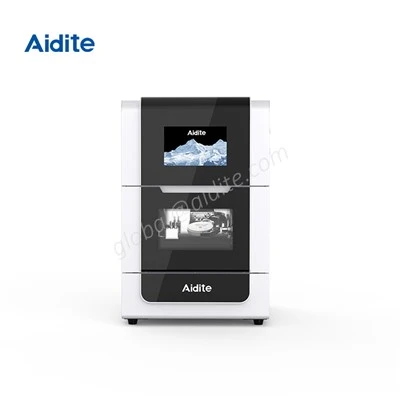
Selecting the best CAD/CAM material for a complex-shaped part is a multi-faceted process that requires a thorough understanding of the part’s requirements, evaluation of different materials, consideration of the manufacturing process, and cost analysis. As a CAD/CAM material supplier, we are committed to providing high-quality materials and professional services to help you make the best material selection for your project.
Dental Consumable If you are looking for the right CAD/CAM material for your complex-shaped part, please feel free to contact us. Our team of experts is ready to assist you in finding the optimal material solution. Let’s work together to bring your project to success.
References
- Callister, W. D., & Rethwisch, D. G. (2018). Materials Science and Engineering: An Introduction. Wiley.
- Milne, I. (2014). CAD/CAM Technology in Dentistry. Quintessence Publishing Co., Inc.
- Hancox, N. L. (2013). Fibre Composites in Aircraft Construction. Elsevier.
Aidite (Qinhuangdao) Technology Co., Ltd.
Aidite (Qinhuangdao) Technology Co., Ltd. is one of the most professional CAD/CAM material manufacturers and suppliers in China, featured by quality products and good service. Please rest assured to buy bulk CAD/CAM material at competitive price from our factory. Also, quotation is available.
Address: No.9 Dushan Road, Economic and Technological Development Zone, Qinhuangdao, Hebei Prov., China
E-mail: global@aidite.com
WebSite: https://www.aiditeglobal.com/
