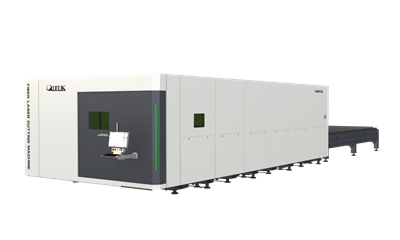
If you’ve ever stood in a dusty, 102°F warehouse at 2 a.m. watching a manual forklift operator fumble with a stack of metal coils that slid off a pallet because the loading dock’s overhead door gust let a blast of wind in, you know harsh environments don’t just slow operations—they grind efficiency, safety, and uptime into dust. As a supplier of material storage and automatic loading/unloading systems, I’ve spent the last 12 years solving exactly these kinds of problems: not by adding flashy tech for tech’s sake, but by engineering systems that adapt to the chaos of real-world harsh environments. Let’s break down how we do it, because this isn’t some lab-based whiteboard exercise—this is work that has to hold up when the world is against you. Material Storage and Automatic Loading/Unloading System
First, let’s define what we actually mean by a “harsh environment” for material handling, because it’s not just one thing. For a steel mill in Ohio, it’s not just high temperatures—it’s metal shavings that get everywhere, corrosive pickling residues on workpieces, and humidity that rusts unprotected metal in 48 hours. For a port in the Middle East, it’s not just heat—it’s fine silica sand that seeps into every crevice, salt spray that eats through steel if left exposed, and wind gusts that hit 60 mph during dust storms. For a food processing plant in South America, it’s constant moisture, high pressure washdowns, and strict cleanliness rules that rule out any part that can harbor bacteria. Every harsh space has its own unique villains, and our systems don’t use a one-size-fits-all fix.
Let’s start with storage, because a loading/unloading system is only as good as the materials it’s holding when the time comes to move them. Most automated storage systems use open steel racks or plastic bin shelves—great for a climate-controlled parts room, useless when you’re storing steel bars outside a mill where they’re exposed to acid mist. Our storage modules aren’t just powder-coated steel; we spec materials from the get-go to match the environment. For corrosive environments, we use hot-dip galvanized steel for the frame, then add a two-part polyurethane coating rated to resist 500+ hours of salt spray (that’s a standard corrosion test, and it’s brutal—equivalent to months of real coastal exposure). For dusty environments like mining operations, we design sealed storage bays with positive pressure ventilation, so filtered air is pushed in faster than dust can seep through gaps in the doors. We don’t cut corners on seals, either—every door edge has a neoprene gasket rated for -40°F to 180°F, so it doesn’t harden or crack in extreme cold or heat. And we test every storage unit not just in a lab, but in actual customer sites: last year, a steel customer in Pennsylvania put our test rack in their pickling bay for six months, and when we pulled it out, there wasn’t a single spot of rust on the frame. That’s the kind of real-world validation you don’t get from a catalog.
Now, the part everyone asks about: the automatic loading and unloading mechanism, because this is where harsh environments break most machines. Let’s talk about the core components first: the robotic arms, the grippers, the sensors, and the transport vehicles that move materials between storage and the loading dock. Most standard automatic arms use smooth bearings and unprotected wiring—problem number one, because dust, moisture, or extreme temperatures will seize bearings or corrode wiring in weeks. Our arms use heavy-duty, self-lubricating plain bearings made from bronze infused with graphite—no grease that can attract dust and gum up works. For wiring, we use Teflon-insulated cables, not PVC, because PVC gets brittle in cold and melts in high heat, while Teflon stays flexible from -65°F to 500°F and resists corrosive fumes. We also don’t run wiring along the arm’s outer edge, where it’s exposed to dust or impact—we route it internally through hollow structural members, so it’s protected even if a metal bar knocks against the arm.
Grippers are another weak point. A standard pneumatic gripper might work fine in a factory, but if there’s a sandstorm, sand will get into the air lines and clog the valves, or salt spray will corrode the piston. We use two types of grippers, tailored to the environment: for dry, dusty environments, electric grippers with sealed motors and stainless steel components, because electric systems don’t have air lines that can get clogged. For corrosive or moisture-heavy environments like seafood processing plants, we use pneumatic grippers with air drying systems installed at the line, plus valves coated in epoxy to resist salt and moisture. We also design gripper jaws that are interchangeable, but not the flimsy kind that bend under pressure—for a customer moving heavy metal plates, we made gripper jaws out of forged steel, and added rubber pads that are rated to resist oil and acid, so they don’t slip even if a workpiece is covered in pickling residue. Last year, a port customer in Dubai told us their old grippers would slip three or four times a day during dust storms, because sand would get between the jaws and the workpiece. Our grippers have tapered sealing rings around the jaw mechanism that keep out sand, and they haven’t had a single slip in 18 months of use. That’s not luck—that’s engineering for the specific harsh condition.
Then there’s the problem of visibility, or rather, the lack of it, because harsh environments mess with sensors. Most automated loading systems use optical cameras to guide the arm to the workpiece, but if there’s a dust storm or a layer of oil mist in the air, the camera can’t see anything—classic “see no material, load no material” problem. We solved this by adding redundant sensor layers, not just one. First, we use LiDAR (light detection and ranging) as the primary guidance sensor, because LiDAR works using laser pulses that bounce off objects, not visible light—so dust, mist, or even light rain doesn’t block it. We calibrate our LiDAR sensors to distinguish between metal, plastic, or wood workpieces, and adjust for distance even if the sensor is covered in a thin layer of dust (we build in a self-cleaning air nozzle that blasts a small amount of filtered air over the sensor lens every 15 minutes, so dust doesn’t build up too much). As a backup, we use ultrasonic sensors, which work on sound waves and are even cheaper, to confirm the position of the workpiece—ultrasonic might not be as precise as LiDAR, but it works even if the LiDAR lens gets covered in a thicker layer of dust, so the arm never just stops because it can’t “see” the material. For cold environments, like a food freezer in Canada, we heat the sensor lenses to 32°F to prevent frost from forming, because frost would block the laser and sound waves. It’s those small, seemingly obvious adjustments that make the difference between a system that works and one that sits idle.
Let’s not forget about the automated guided vehicles (AGVs) or mobile robots that transport materials between storage and the loading dock. In harsh environments, these can get stuck—wheels covered in mud, motors seized by sand, navigation systems that drift because of magnetic field interference (common around steel mills). Our AGVs use a combination of magnetic tape guidance and LiDAR mapping, so even if the magnetic tape gets covered in dust or mud, the LiDAR can map the environment and guide the AGV along the route. We also use heavy-duty solid rubber tires, not pneumatic ones, because pneumatic tires get punctured by metal shavings in a mill or sand in a port—solid rubber tires last 10 times longer in those conditions. The AGV motors are sealed with IP67 ratings, which means they’re completely dust-tight and can withstand being submerged in up to a meter of water, so if a cleaning crew accidentally sprays them with a hose in a food plant, no problem. One of our mining customers in Australia had an old AGV fleet that would break down every week because of dust getting into the motor housing; our AGVs have been running for two years without a single motor repair.
But here’s the big secret no one tells you about automated systems in harsh environments: even the best parts don’t matter if you don’t have a way to maintain them. A lot of automated system suppliers will sell you a machine and disappear, but in a harsh environment, you need daily checks, not monthly service. We built our systems with in-built diagnostic tools that send real-time alerts to our team, or the customer’s maintenance team, if something is starting to go wrong—like a bearing that’s starting to wear, or a sensor lens that’s getting too dusty. The diagnostic tool can tell you exactly which part needs replacing, not just that “error code 45 occurred,” so maintenance takes 10 minutes instead of two hours. We also offer on-site training for maintenance teams tailored to the harsh environment—for a customer in a desert, we train them how to clean the sealed air filters without breaking the seal, and how to check for corrosion on wiring. For a customer in a cold warehouse, we train them how to adjust the heated sensor settings in winter so they don’t waste energy or overheat the sensor. This isn’t just customer service—it’s part of the system design, because if a machine goes down in a harsh environment, the downtime costs way more than the cost of a maintenance call.
I’ve seen too many companies try to cut corners on harsh environment systems, buying a standard automated loader and then scrambling to fix it when it breaks. Last year, a construction materials company in Texas tried to use a standard system at their limestone loading dock, which was covered in fine limestone dust that got everywhere. Within three months, the optical cameras were caked in dust, the gripper valves were clogged, and the system was down half the time. When we brought our system in, we didn’t just replace the parts—we redesigned the entire system for limestone dust: sealed bearings, LiDAR with self-cleaning nozzles, electric grippers with air-tight seals. It’s now been running for 14 months without a single unplanned downtime event. That’s the difference between engineering for the environment and engineering for a clean room.
If you’re reading this and dealing with a harsh environment that’s chewing up your manual labor or breaking your automated systems, you don’t need another tech toy—you need a system that works when it’s 110°F, when it’s snowing, when there’s dust flying, when the air is thick with moisture or corrosive fumes. Our material storage and automatic loading/unloading systems aren’t built for the lab—they’re built for your warehouse, your mill, your port, your plant. To learn more about how we can customize a system for your specific harsh environment, connect with our team to start a conversation. We’ll come site, assess your unique challenges, and build a solution that doesn’t just survive—it thrives.
Laser Welding Machine References
- American National Standards Institute. (2021). Safety Standard for Automated Material Handling Systems in Harsh Industrial Environments. ANSI/B56.5-2021.
- International Organization for Standardization. (2019). Environmental Classification for Robots and Automated Handling Equipment. ISO 10218-2:2019.
- Steel Industry Technology Council. (2022). Corrosion Resistance of Automated Storage and Retrieval Systems (AS/RS) in Pickling and Finishing Operations. SITC Report 22-04.
- Port Equipment Manufacturers Association. (2023). Performance of Automated Loading Systems in Arid Coastal Environments. PEMA Technical Brief 2023-01.
Suzhou Quick Laser Technology Co., Ltd.
Suzhou Quick Laser Technology Co., Ltd. is one of the most professional material storage and automatic loading/unloading system manufacturers and suppliers in China, featured by quality products and good price. Please feel free to buy durable material storage and automatic loading/unloading system for sale here from our factory. For more information, contact us now.
Address: No. 6, Qingqiu Street, Industrial Park, Suzhou, Jiangsu Province, China
E-mail: info@qlteklaser.com
WebSite: https://www.qlteklaser.com/
