Hey guys, if you’ve been around construction, interior design, or home renovations lately, you’ve probably stumbled on “flexible stone” popping up everywhere. As a flexible stone supplier, I get a ton of questions from contractors, homeowners, and architects asking how it stacks up against the classic stuff we’ve used for decades—you know, the rigid granite, marble, and slate we all know and love. Let’s cut through the marketing fluff, break this down like we’re chatting over a coffee, and talk real, practical differences that actually matter for your next project. Flexible Stone
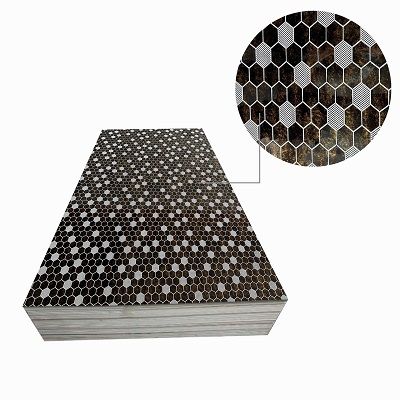
First, let’s clarify what flexible stone even is, because a lot of people mix it up with thin stone veneers or fancy wall panels. Unlike traditional stone, which is carved or sawn directly from solid rock blocks (think 2-inch thick slabs that weigh a ton), flexible stone is a composite. It’s made by taking a thin, high-quality slice of natural stone—usually just 1 to 3 millimeters thick—then bonding it to a flexible, lightweight base layer. The base is usually things like fiberglass mesh or a polymer composite, so it bends, twists, and contours without cracking. I know, I know—“stone that bends?” It sounds too good, but it’s not a fake; the top layer is real natural stone, same stuff you’d pay top dollar for in a traditional slab. The base just makes it usable in ways regular stone can’t.
Let’s start with the biggest pain point everyone talks about: weight. Traditional stone is heavy. A standard 12×12 inch granite tile is about 15 pounds each, right? If you’re covering a 10-foot wall, that’s hundreds of pounds of tile, plus the mortar needed to hold it up. You have to reinforce walls, add extra framing, and sometimes even crane materials up if you’re working on a second story. Flexible stone? That same 12×12 inch tile is barely 2 pounds. That’s 85% lighter. No more reinforcing, no more craning, no more worrying about a wall collapsing under the load. We had a customer last month who was remodeling a 15-foot curved fireplace surround—traditional stone would’ve required custom cuts, steel framing, and three guys to haul materials. With flexible stone, one installer did the whole job in half a day, no heavy lifting. That’s a game-changer for small contractors or DIYers who don’t have a huge crew.
Next up: installation flexibility. Traditional stone is rigid, so it only works on flat, straight surfaces. Try wrapping a curved column or a vaulted ceiling with a regular slab, and it’ll crack in two—stone doesn’t bend that way. Flexible stone? It molds to any shape. Curved walls, round columns, domed ceilings, even irregular nooks in a bathroom. We supply a lot of commercial clients doing storefronts with curved facade panels; they can just cut the flexible stone to size, bend it around the frame, and stick it on. No more custom stone fabrication (which costs a fortune and takes weeks) for odd shapes. I’ve seen people use it to line the inside of a boat hull, too—who would’ve thought? That versatility is something traditional stone can never match.
But wait, let’s talk durability because some people think “flexible” means flimsy. Is it as strong as regular stone? Short answer: not in the same ways, but for most residential and commercial uses, it’s totally up to par. The top stone layer is just as scratch-resistant and stain-proof as the traditional equivalent. You can spill wine on a flexible stone backsplash, wipe it up, and it doesn’t stain—same as marble. It’s also UV-resistant, so it won’t fade if you put it on an exterior wall, which is a big plus. Where it’s not as good is impact resistance: if you drop a hammer on it, the thin stone layer might crack, whereas a solid slab would hold up. But for most everyday uses—countertops, wall cladding, columns—it’s more than durable enough. And the base layer is tough, too; it’s water-resistant, so you don’t have to worry about it warping in bathrooms or outdoor areas the way some thin veneers do.
Cost is another big one, and this is where it gets tricky. A lot of people assume flexible stone is cheaper, but that’s not always the case. The material cost per square foot is often close to traditional stone, sometimes even a bit more, because the production process for the thin stone slices and base is specialized. But here’s the catch: you save so much on installation and labor. Traditional stone takes two to three times longer to install, requires specialized tools (wet saws, heavy-duty mortar), and needs skilled labor that charges more. Flexible stone installs with regular construction adhesive, cuts with a utility knife (yes, really—we have customers who cut it on site in minutes), and takes half the time to set. I’ve seen projects where the total cost came in 20-30% lower than traditional stone, just because of labor savings. For big commercial jobs with tons of square footage, that adds up fast. For small DIY projects, you might not save as much, but the ease of installation makes it worth it—no more renting a wet saw or hiring a pro.
Wait, let’s talk about look, because that’s the main reason people choose stone in the first place. Flexible stone has the same natural texture and color as traditional stone—you can get it in granite, marble, slate, travertine, even quartzite. It’s not a print or a fake; it’s actual stone, so the veining and imperfections are the same. A lot of contractors can’t tell the difference once it’s installed, which is great for keeping that high-end natural stone vibe without the hassle. The only tiny visual difference? Because it’s thinner, the edges are a bit more subtle, but most people don’t notice unless they’re looking super close. If you’re going for a seamless look, that’s actually a plus.
Let’s hit on some downsides, because I don’t want to sugarcoat it. First, thickness. If you want a thick, chunky countertop edge, flexible stone might not be the best for that—you’d have to add a solid stone trim on top, which can add cost. Traditional stone gives you that solid, heavy edge look right out of the slab. Second, heat resistance. Both are heat-resistant, but if you’re setting a hot pan on a countertop, even a traditional stone needs a trivet, right? Flexible stone is the same way—no worse, no better. Third, availability. Traditional stone is super common, you can get it at any home improvement store. Flexible stone is still a bit more specialized, so you might not find as many color or texture options at your local big box, but as a supplier, we’re working to make more styles accessible.
Now, who should choose which? If you’re doing a flat countertop, a straight wall, a small bathroom remodel, or a project where cost and ease of installation are top priorities, flexible stone is a no-brainer. If you want a thick, dramatic countertop edge, need something for a high-traffic commercial floor (though flexible stone works great for walls, not usually floors), or have a really tight budget for material alone, traditional stone might make more sense. But even then, I’d weigh the labor savings—for a commercial floor, you might go with traditional, but for a curved storefront, flexible stone is the only way to go.
At the end of the day, flexible stone isn’t replacing traditional stone—it’s adding a new tool to the toolbox. For decades, stone has been limited by its rigidity and weight, and flexible stone solves those problems without losing what makes stone special: that natural, timeless look. We’ve had clients switch from traditional to flexible on a project and come back for three more, just because how much easier it was to work with.
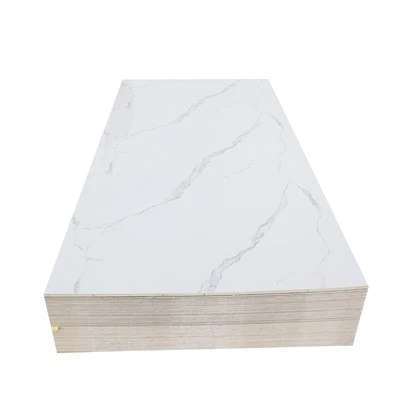
If you’re planning a project—whether it’s a kitchen backsplash, a fireplace surround, a commercial facade, or anything in between—and you want to learn more about how flexible stone would work for your space, hit us up. We can share sample photos, talk through your specific needs, and help you figure out the best fit. No pressure, just real talk about what works and what doesn’t.
PS Frame Moulding References
- Natural Stone Institute. (2023). Flexible Stone: Market Trends and Application Guidelines.
- Construction Materials Research Journal. (2022). Comparative Analysis of Thin-Stone Veneers and Traditional Natural Stone Slabs.
- International Association of Home Builders. (2023). Lightweight Cladding Solutions for Residential and Commercial Construction.
- Stone World Magazine. (2022). Curved Surfaces: How Flexible Stone is Changing Architectural Design.
- Polymer Composite Technology Journal. (2021). Performance Characteristics of Flexible Natural Stone Composites in Outdoor Applications.
Shandong Fanjie International Trade Co., Ltd.
Address: L4-015 Cross border E-commerce Entrepreneurship Park, Lanshan District, Linyi City, Shandong Province
E-mail: info@lsdec.com
WebSite: https://www.fanzeradecor.com/
