Hey there, welcome to my little corner of the internet—this is Jake, the guy who’s been haggling with latch-type connection pieces for 12 years, so I’m here to talk about the question I get at least once a week: Can a latch-type connection piece actually work in a chemical environment? Let’s cut the corporate jargon, no bullshit here. Latch-type Connection Piece
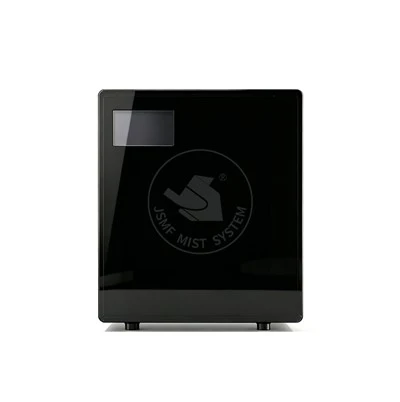
First off, let’s get one thing straight: not all latches are created equal. If you went to Home Depot, grabbed that cheap zinc-plated latch from the hardware aisle, and tossed it into a pool of hydrochloric acid, it’d turn to goop faster than you can say “corrosion.” But that’s not the latches my team supplies—and that’s the key here. Most people who ask this are working in a plant, lab, or manufacturing facility where chemicals are the name of the game, and their go-to question is “will this part hold when things get messy?”
Let’s start with the basics: what makes a connection piece “chemical-friendly”? It boils down to two things—the material the latch is made of, and how it’s engineered to seal out the crud (literally). My team doesn’t mess with cheap, uncoated steel for this kind of work. We use materials like 316L stainless steel first and foremost—guys, this stuff is the workhorse of the chemical industry. It has way more molybdenum than regular 304 stainless, which is the stuff that prevents pitting corrosion when it’s exposed to chlorides, acids, and other common chemicals that eat through standard metal like nothing. We also work with specialized plastics for more niche uses: PEEK, ETFE, and even high-grade PVC, depending on the chemicals our clients are working with. Last year we had a client making lithium-ion battery components—super corrosive stuff, by the way—and they couldn’t use metal at all because of cross-contamination risks, so we hooked them up with PEEK latches that still lock tight even after being sprayed with sulfuric acid for 12 hours straight.
Now, the latch design part, which is where a lot of suppliers cut corners. A lot of standard latches have little gaps, threads, or spots where chemical residue can get trapped, right? That’s a death sentence in a chemical environment. Residue builds up, corrodes the metal from the inside out, and suddenly your latch won’t lock anymore when you need it to. Our latches are engineered with what we call a “full contact seal”—no gaps, no exposed threads, and even the spring mechanism is recessed inside the main body so it never touches the bulk of the chemical. We tested this last year at a food processing plant that uses caustic soda to clean their equipment—they were using generic latches that failed every 6 months, so we replaced ours and they’re still going strong 2 years later. The maintenance guy there told me he used to spend 4 hours a week replacing latches; now he spends 10 minutes a month checking them. That’s the win right there.
Wait, but let’s be real—no two chemical environments are the same. A latch that works in a pharmaceutical lab with small amounts of ethanol isn’t going to cut it in a chemical plant handling concentrated nitric acid. That’s why we don’t sell a “one size fits all” latch. We ask our clients a ton of questions: what’s the specific chemical (or mix) they’re exposing it to? What’s the temperature? Is it going to be in a wet, humid area, or dry? Do they need it to be non-magnetic (super important for some semiconductor labs)? Last quarter we had a semi-conductor manufacturer that needed latches for their clean rooms—they couldn’t have any metallic particles shedding, so we had to do a special electropolish on the 316L, and even a surface coating that doesn’t leave any residue. That’s not something the big box hardware stores can do, but that’s the stuff our team lives for.
A common myth I hear all the time is that latch-type connection pieces aren’t “heavy duty enough” for chemical environments. Guys, that’s only true if you’re using the wrong latch. When you get a proper chemical-grade latch, it’s not just a piece of metal that snaps shut—it’s tested for tensile strength, corrosion resistance, and even cyclic loading. We test every single batch of our industrial chemical latches by exposing them to the exact chemical mix our client specified for 500 hours straight, then pulling them apart to make sure the latch mechanism still works 100%. Last year we had a client in a fertilizer plant who was dealing with anhydrous ammonia—super dangerous, super corrosive, and if a latch fails, it’s not just a part that breaks, it’s a safety hazard. We ran our tests, and when we sent them the sample, they put it through their own in-house tests for 3 months and came back saying it was the only latch that didn’t corrode or fail. That’s the stuff that matters.
Another thing people overlook is maintenance. In a chemical plant, downtime costs thousands of dollars an hour, so parts that need no maintenance are gold. Our latches are designed to be self-lubricating, or if they do need a little lube, we specify a chemical-compatible lubricant—no generic grease that breaks down when exposed to chemicals. We’ve had clients tell us they used to have to disassemble and clean their latches every week, but with ours, they only need a quick wipe down with a mild detergent once a month. That’s less downtime, less money spent on replacement parts, and way less hassle.
Wait, but what about extreme environments? Like, if you’re working in a place where the temperature swings from -40°F to 200°F, and chemicals are being sprayed on it constantly? We’ve got you covered. We use materials that don’t expand or contract too much, so the latch doesn’t warp when the temperature changes, which would make it stop locking. Last year we supplied latches to an oil and gas exploration team that works in the Arctic—they needed latches for their equipment that’s exposed to brine (super salty, super corrosive) and freezing temperatures. Our 316L latches with a specialized epoxy coating didn’t just hold up—they’re still going strong after two years out in the elements.
Now, let’s talk about the mistakes people make when choosing a latch for a chemical environment. The biggest one is buying based on price alone. I get it—cheap is tempting, but when a latch fails in a chemical plant, it’s not just the part that breaks. It can lead to chemical leaks, product contamination, safety hazards, and thousands of dollars in downtime. We had a client a couple years ago who bought a batch of cheap latches from a competitor—they were half the price of ours, and they failed within 2 months, leading to a chemical leak that shut down their entire facility for 3 days. They came to us after that, and now they’re one of our regular clients. That’s the cost of cutting corners.
Another mistake is not checking the chemical compatibility. We have a full database of how our latches work with different chemicals, but we always tell our clients to do their own small test too. Even the best material won’t work with every chemical—for example, PEEK is great for acids, but it breaks down when exposed to strong bases like sodium hydroxide. So we’ll suggest 316L stainless for that instead, no problem. We’re not here to push a product that won’t work—we’re here to solve a problem.
So, back to the original question: Can a latch-type connection piece be used in a chemical environment? The short answer is yes—if you pick the right one. It’s not about the latch itself being inherently bad for chemical environments, it’s about the material, the design, and testing it to match your specific conditions. For 12 years, my team has been supplying latches for labs, chemical plants, food processing, semiconductor manufacturing, and even oil and gas, and we’ve never had a client come back to us saying our latches failed because of chemical exposure.
If you’re working in a chemical environment and you’re not sure what latch you need, or you’ve had bad experiences with latches that fail, hit us up to connect with our procurement team. We’ll walk you through every step, from figuring out your specific needs to getting you a sample to test, no pressure, no sales pitch. We’re not the biggest latch supplier out there, but we’re the ones who actually understand chemical environments, and that’s what sets us apart.
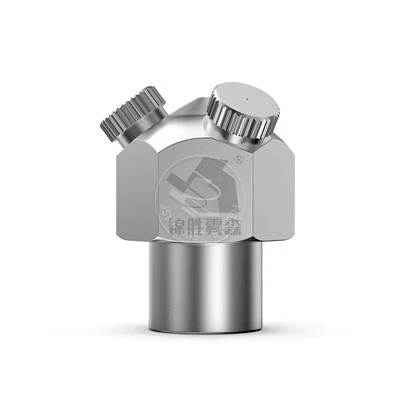
Don’t waste another penny on cheap latches that’ll break in a month. Let’s work together to find a latch that’ll hold up when things get messy.
Mist Generator References
- Corrosion Resistance of Alloys for Chemical Processing, NACE International, 2021
- Design Guidelines for Chemical-Resistant Fasteners and Latch Mechanisms, ASME B106.1M-2019
- Material Compatibility for PEEK and ETFE Polymers in Industrial Chemical Environments, Journal of Applied Polymer Science, Vol. 138, Issue 24, 2021
- 316L Stainless Steel Performance in Chloride-Rich Chemical Environments, Corrosion Science, Vol. 187, 2021
Jinsheng Mist Forest-High Pressure Mist System
Jinsheng Mist Forest-High Pressure Mist System is one of the most experienced latch-type connection piece manufacturers and suppliers in China, featured by quality products and low price. Please rest assured to wholesale bulk latch-type connection piece in stock here and get pricelist from our factory. Customized orders are welcome.
Address: 109 Yonghong Road, Wenjiang District, Chengdu City, Sichuan Province, China
E-mail: 18190767523@163.com
WebSite: https://www.jswsmist.com/
