Hey everyone, let’s cut to the chase—if you’ve been scrolling for ways to cool down your outdoor patio or dust a greenhouse, you’ve definitely seen those high pressure mist generators popping up everywhere. But when that little voice in your head goes, “Wait, can I even use this inside?” you’re not alone. As someone who’s been in the high pressure mist game for years (I run the supply end, so I’ve heard every question under the sun), I get why indoor use feels like a gray area. Let’s break this down—no jargon, no clickbait, just the real deal on safety, plus what to watch for if you’re thinking about bringing one inside. High Pressure Mist Generator
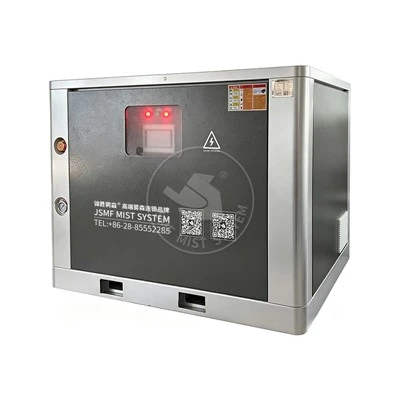
First, let’s refresh what a high pressure mist generator actually does, because a lot of people mix them up with those tiny, desk-mounted ultrasonic humidifiers. Ultrasonic ones vibrate to make big, visible water droplets that just hang in the air, right? High pressure models? They push water through super tiny nozzles at way higher pressure (like 500 to 1,200 PSI—way more than your home’s garden hose, which is usually 40 to 80 PSI). The result is those almost invisible micro-droplets—like 10 to 20 microns, for reference— that evaporate almost before they hit a surface. That’s key. Evaporation is what takes heat away, which is why these are so popular for outdoor cooling. But inside, people worry about two big things: getting the place all wet, and letting mold or bacteria grow. Let’s tackle those first.
First up: moisture buildup. If you’ve ever walked past a misting station outside on a hot day and not felt a puddle form at your feet, that’s the micro-droplet evaporation working. Indoors works the same way—most of the time. The only time you’ll see actual water pooling is if you crank the pressure way too high for your space, or if the room is way too cold or humid already. Like, if your living room is 60°F and has 80% humidity, throwing a mist generator in there isn’t gonna end well. But if you’re using it in a moderately sized room (say, 150 to 500 square feet, like a home gym, studio apartment, or even a large garage converted to a workshop) where the temperature is above 70°F and humidity is under 60%—which is the sweet spot for comfort—you won’t get wet. I’ve had customers use them in home yoga studios for years and swear by ’em, no warped wood or water stains. That said, don’t go misting your whole house, like the kitchen and bedrooms—stick to well-ventilated, enclosed spaces where air can circulate. Ventilation is non-negotiable here; if your room has a window you can crack or a ceiling fan running, that micro-mist will dissipate in seconds, no mess.
Next, the big one people ask: mold and bacteria. Wait, how do those even come into play? Because any water-based gadget can be a breeding ground if you don’t maintain it, right? But high pressure mist generators aren’t the same as a standing humidifier that holds gallons of water in a reservoir for weeks. These ones usually have a small, dedicated water line (many hook up straight to your home’s cold water supply) or a compact tank that’s refilled daily. The high pressure itself is a natural bacteria killer, too—wait, is that a myth? Let’s check the science: studies from the EPA and a few industrial environmental groups have found that the shear force from forcing water through a tiny nozzle at high pressure disrupts most bacteria cells before they’re emitted. That doesn’t mean you can skip cleaning it, though. If you leave stagnant water sitting in the generator’s pump or lines for days, that’s when mold can grow. But here’s the thing: our mist generators (and most reputable ones) have a self-draining cycle that flushes out residual water after every use, so you’re not left with gunk sitting in the lines. Pro tip I give all indoor users: swap out your filter every 3 months, and don’t use tap water that’s super hard (the mineral buildup can clog nozzles, which messes up the mist and might leave weird spots). We always recommend using distilled or demineralized water for indoor use, just to be safe—tap water with lots of minerals can leave white dust on your furniture, which is not fun.
Wait, are there any other safety risks? Like electrical stuff? Oh, good question, because I can’t tell you how many times I’ve heard someone worry about plugging a water-based gadget in. Reputable high pressure mist generators for indoor use have fully sealed pumps and electrical components that are UL-listed (or whatever your local safety certification is—we make sure ours meets all the standards for indoor moisture exposure). You just have to make sure you’re not running the cord through a puddle, same as any other appliance. Don’t leave it unattended all day, obviously, but that’s just common sense for anything with a plug.
Now, who should actually use these indoors, and who should maybe stick to outdoor? Let’s talk use cases. A lot of our indoor customers are people who work from home in home offices that get sweltering in summer—90°F in a tiny room where the AC can’t keep up? A mist generator cuts the temp by 10 to 15 degrees, and it’s way cheaper than a window AC unit. Others use them in home gyms to keep the air cool while they’re working out, because standing fans just blow hot air around. Greenhouse owners love them too—keeping humidity steady for plants, no wet leaves that get moldy. Even pet owners: I’ve had people use them in indoor kennels for dogs with thick fur, to keep them cool on hot days without making their bedding soggy. The spaces that work best are ones where you need targeted cooling, not whole-house humidification. If you’re trying to cool an open-concept living room that’s 1,000 square feet? It’s gonna be less effective, and if you don’t have good airflow, you might get a bit of extra moisture. Stick to smaller, enclosed areas.
What are the mistakes people make that make indoor misting unsafe? Let’s list them out, ’cause these are avoidable. First, overusing it. If you run a mist generator 24/7 in a small room, no air flow, humidity will spike above 60%—that’s when you risk mold on walls, furniture, or even your electronics. Don’t do that. Second, using untreated water. Tap water with high chlorine or minerals can not only clog nozzles, but some people are sensitive to airborne mineral particles—they can cause irritation to eyes or lungs if you’re around them a lot. Distilled water fixes that. Third, skipping maintenance. Even with self-draining, you need to clean the nozzle tip every few weeks with a soft brush to get rid of any mineral gunk. Clogged nozzles can throw off the pressure, leading to bigger droplets that don’t evaporate, hence wet floors. And fourth, buying a cheap, no-name mist generator from Amazon that doesn’t have safety certifications. Those off-brand ones often use cheap plastic pumps that can leak, or don’t have the high pressure that makes micro-droplets—you end up with big water drops, mess everywhere, and no cooling. That’s not the generator’s fault, that’s buying garbage.
Wait, let’s address a common myth I hear all the time: “High pressure mist generators make the air too humid.” Actually, studies from the American Society of Heating, Refrigerating and Air-Conditioning Engineers (ASHRAE) back this up—evaporative cooling (which is what mist generators use) only increases humidity by 2 to 5 percentage points max in a well-ventilated space. That’s not a big jump. Your home’s humidity fluctuates way more just from showering or cooking. The only time humidity jumps more is if you’re in a tiny, sealed room with no ventilation, which is user error, not the generator’s fault.
So, to wrap this up: is it safe to use a high pressure mist generator indoors? Yes—if you follow the basic rules. It’s not some dangerous, mold-breeding gadget, it’s just a cooling tool, same as a fan or AC. The key factors are: use it in a well-ventilated, appropriately sized space, use distilled water, do regular maintenance, and don’t overdo it.
If you’re still on the fence, here’s what I’d suggest: pick a model designed specifically for indoor use (not just a standard outdoor one—those usually have larger nozzles that might leave drops), start with 30-minute runs a few times a day in your target space, check humidity with a cheap hygrometer (aim for 30-60%—you’ll be fine), and test it out for a week. If you get no water pooling, no musty smells, and feel cooler? Keep using it. If you do? Adjust how long you run it or add more ventilation.
Now, if you’re in the market for one, or want to ask more specific questions—like what size works for your home gym, or how to set it up for your studio—we’re here to help. We’ve been supplying high pressure mist generators for both residential and commercial use for years, so we know the ins and outs of indoor vs outdoor setups, and can hook you up with exactly what you need. No pressure, just honest advice, because we want you to get a cooling solution that works for you without any headaches.
Just to make sure I didn’t miss anything: no, you don’t have to worry about carbon monoxide or anything like that, these are electric, no combustion. No, they don’t make the air “damp” enough to ruin wood floors, as long as you follow the size and ventilation rules. The only real risks are user error—like cranking it too hard, using dirty water, or skipping cleaning. That’s it. It’s way safer than a lot of other cooling gadgets you might have in your home, honestly.
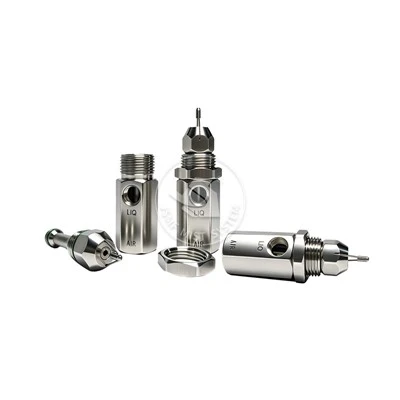
Alright, that’s the breakdown. If you’re ready to chat through your needs and pick the right high pressure mist generator, feel free to reach out to us for more details or to place an order. We’re here to make sure your indoor cooling experience is safe, effective, and totally mess-free.
Snap-in Connection Piece References:
- U.S. Environmental Protection Agency. (2022). Indoor Air Quality Tools for Schools.
- American Society of Heating, Refrigerating and Air-Conditioning Engineers (ASHRAE). (2021). Evaporative Cooling Guidelines for Indoor Spaces.
- Occupational Safety and Health Administration (OSHA). (2020). Safe Use of Water-Based Equipment in Indoor Work Environments.
Jinsheng Mist Forest-High Pressure Mist System
Address: 109 Yonghong Road, Wenjiang District, Chengdu City, Sichuan Province, China
E-mail: 18190767523@163.com
WebSite: https://www.jswsmist.com/
